
Why I Invested in High-End Lighting Over the Latest Camera Body (and Why Your Brand Should Care)
This isn’t a contrarian take for the sake of being different. It’s a philosophy born from experience: the quality of your photography—the actual visual result your clients see—lives or dies on lighting, not the camera.
May 15, 2026 • gradepixel

A new camera body I’d been following was released—the flagship model everyone was talking about. Better autofocus. Faster processing. Incremental improvements everywhere. It was the tool every photographer was supposed to want.
I didn’t buy it.
Instead, I invested in high-end studio lighting. Better modifiers. A more sophisticated power system. Reflectors and diffusion that seemed excessive at the time.
My peers thought I was backwards. “You’re not upgrading your camera? That’s where the quality comes from.”
I’ve spent the last five years proving them wrong.
This isn’t a contrarian take for the sake of being different. It’s a philosophy born from experience: the quality of your photography—the actual visual result your clients see—lives or dies on lighting, not the camera.
And for brands evaluating photography studios, understanding this difference is the key to knowing who to work with.
The Misconception: Cameras Are Where Quality Comes From
The camera industry has spent decades convincing us that better cameras make better photos.
In some ways, they’re right. A good camera captures light. A bad camera fails.
But that’s it. The camera captures. It doesn’t create.
Think about what actually matters in a professional photograph:
- How light wraps around a product
- How shadows are controlled and filled
- How texture becomes visible or disappears
- How colours look natural or rich
- How the image feels—premium or flat
None of these come from the camera. They come from lighting.
A professional using a five-year-old camera with world-class lighting will outshoot an amateur with the latest flagship camera every single time. Not because the amateur is bad. But because lighting is where the craft lives.
Yet the industry has trained us to obsess over cameras. Faster processors. Better autofocus. New sensors. Spec sheets that sound impressive.
Meanwhile, the lighting—the tool that actually creates the visual—gets treated as secondary.
The Split: 30% Camera, 70% Everything Else
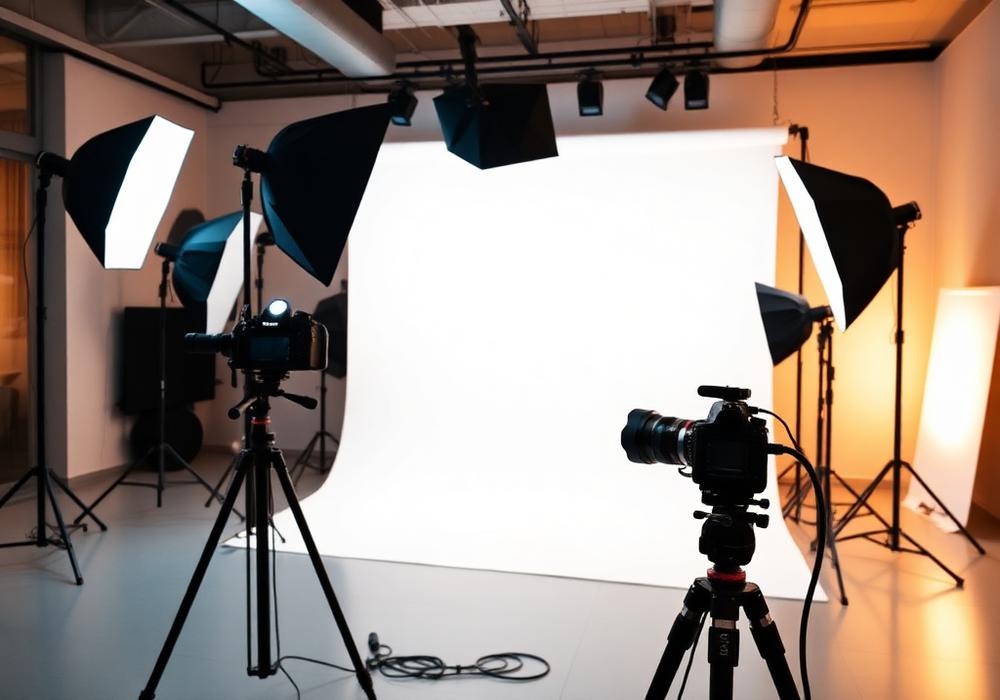
Here’s how the work breaks down in professional product photography:
30% camera and technical capture:
The camera needs to be good enough to capture light accurately. It needs to handle the exposure range. It needs colour reproduction that’s reliable. A professional-grade camera does this.
After that, better cameras give diminishing returns.
70% lighting and craft:
This is where professional quality lives. How light is shaped. How many modifiers. How reflectors are positioned. How exposure is metered and balanced. How the photographer understands light physics and how to control it.
This is expertise. This is investment. This is what separates professional studios from DIY attempts.
When someone asks, “How do you get photos that look so clean and professional?” the answer is never “great camera.” It’s always “great lighting.”
What High-End Lighting Actually Does
Professional lighting systems aren’t luxuries. They’re tools that create specific, repeatable quality.
Texture visibility. Premium lighting reveals product texture that basic lighting hides. The weave in fabric. The grain in wood. The brushed finish on metal. This texture is created by how light is positioned and modified. A different light throws completely different detail visibility. Premium systems give you infinite control over this.
Colour accuracy. High-end lights maintain colour temperature consistency. They render colours as they actually are, not as the light colours them. For e-commerce, this is essential. Products must look online like they look in person. Premium lighting systems have colour science built in.
Shadow control. Professional lighting isn’t just about the key light. It’s about controlling shadows. Fill light. Reflectors. Precise positioning so shadows add dimension without becoming distracting. Basic lighting creates harsh, uncontrolled shadows. Premium systems let you sculpt light with precision.
Consistency. When you shoot 100 products across two days, they all need to look like they were shot in the same conditions. Premium lighting systems are stable, predictable, and repeatable. You set the parameters once and every product gets identical light quality.
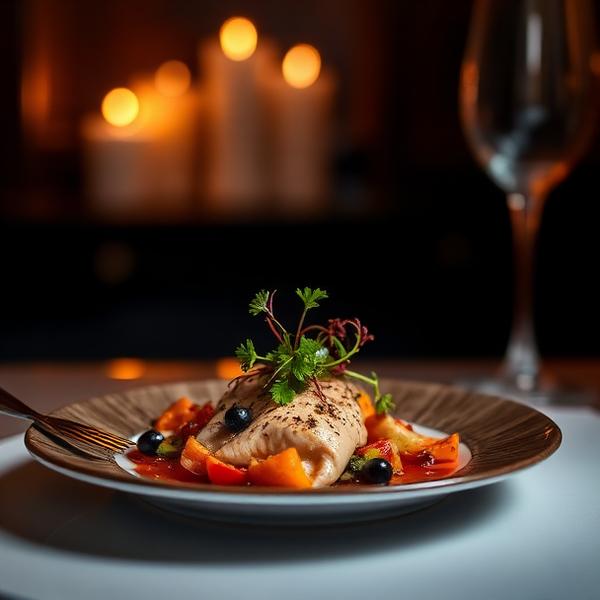
Flexibility. Different products demand different light. Jewellery needs sharp highlights. Cosmetics need soft, even light. Food needs drama and dimension. Premium systems give you modifiers, power options, and positioning flexibility to dial in exactly what’s needed.
Basic lighting locks you into one look. Premium lighting systems give you the entire palette.
My Journey: When I Realized the Real Investment
I didn’t always think this way.
Ten years ago, I was like everyone else. New camera came out, I upgraded. Better specs meant better photos, right?
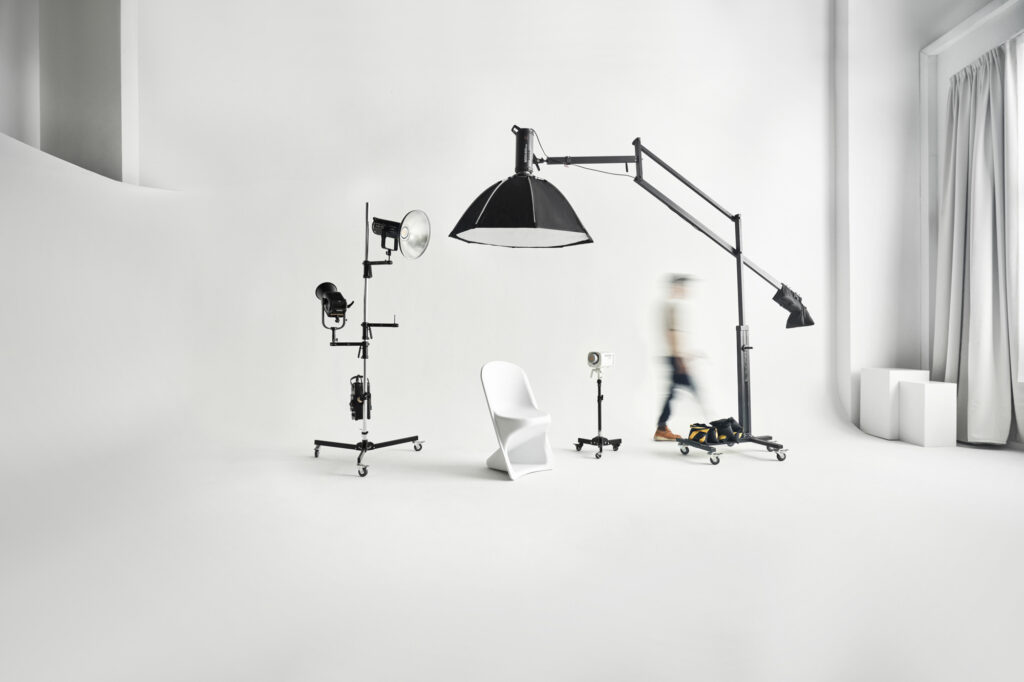
Then I shot a product launch with a photographer who was using older camera gear but lighting I’d never seen before. Boom arms with multiple modifiers. A power system that seemed over-engineered. Reflectors positioned with millimetre precision.
The final images were noticeably better than my work. Not because of the camera. Because of the light.
I asked him about his equipment. He spent an hour explaining lighting systems, modifiers, colour temperature consistency, and why his setup cost more than my camera.
It clicked. I wasn’t getting better because I was chasing camera specs. I needed to invest where the quality actually came from.
The next year, instead of upgrading my camera (which was already professional-grade), I invested $20,000 in lighting. Premium lights. Quality modifiers. A boom arm system. Reflectors and diffusion panels. A dedicated light meter.
The year after that, I upgraded my camera for $4,000. But that investment was secondary to lighting.
The difference in my work was immediate and measurable. Products looked better. Lighting was more controlled. Consistency improved. Post-production became easier because the fundamentals were right in-camera.
My clients noticed. “Your photos look cleaner somehow.” “The lighting on these is incredible.” “How do you get colours so accurate?”
None of them mentioned the camera.
Why This Matters for Your Brand
When you’re evaluating a photography studio, the camera body is almost irrelevant.
What matters is:
- What’s their lighting setup? (Not specs. What do they actually use?)
- How precisely can they control light?
- Can they adapt lighting for different products?
- Do they understand light modifiers and positioning?
- Is their work consistent across batches?
These questions reveal whether the studio invested in craft or gear.
A studio with a latest-model camera and basic lighting will deliver inconsistent, flat results. A studio with professional-grade (even older) camera equipment and premium lighting will deliver clean, professional work.
When you’re paying for professional photography, you’re paying for lighting expertise and equipment. That’s where your investment goes.
The Hard Truth About Gear Investment
Premium lighting systems are expensive. $15,000–$30,000 depending on what you’re building.
That’s real money. More than most camera bodies.
But that investment creates the visual quality that justifies professional pricing. It’s invisible in the final image, but it’s absolutely present. Clean shadows. Rich colours. Visible texture. Consistency across batches.
When a photographer invests in premium lighting, they’re signalling something: “I understand where quality comes from. I’m serious about craft.”
When they skip lighting and chase cameras, they’re signalling something else: “I’m chasing specs, not understanding fundamentals.”
For brands, this distinction matters. Because the studio that invested in the right tools will deliver better photos. Every time.
What I Ask Studios Now
When evaluating where to shoot, I ask one question that reveals everything:
“Walk me through your lighting system. What’s your main setup? What modifiers do you use? How do you adapt for different products?”
Listen to the answer. If they talk about their camera, they’re missing the point. If they describe lighting systems, control, and adaptation, you’ve found someone who understands the craft.
The best studios won’t mention their camera unless you ask. They’ll spend time explaining light.
Consider This When Evaluating Studios
The next time you’re booking professional photography, don’t ask about the camera.
Ask about lighting. Ask about their system. Ask how they control shadows and texture. Ask about consistency. Ask about the modifiers and tools.
The studio that can explain their lighting philosophy in detail is the studio that understands where quality comes from.
That’s the difference between a studio that has good gear and a studio that has mastered craft.
And that’s where your professional photography results come from.
We’ve built GradePixel around this philosophy. Not chasing the latest camera. Investing in lighting systems that let us create the specific, repeatable quality our clients depend on.
It’s a choice. And ten years later, I can tell you it was the right one.
When you’re ready to work with a studio that prioritizes craft over specs, consider what matters: lighting, expertise, and consistency. Let’s talk about your project and how professional light management translates to results.

A title
Image Box text
Sylvester Lim - Founder of GradePixel
I’m Sylvester, founder of GradePixel, a commercial photography and video production studio in Singapore with over 10 years of experience. I’ve worked with brands across product, food, fashion, and corporate sectors, helping businesses create clean, effective visuals that drive real results. My focus is always on practical, high-quality production that works for marketing.