
Why Professional Grip Equipment is Essential for High-Stakes Product Shoots
Behind every product shot that looks like the product is suspended in space is a sophisticated system of grip equipment,
May 14, 2026 • gradepixel
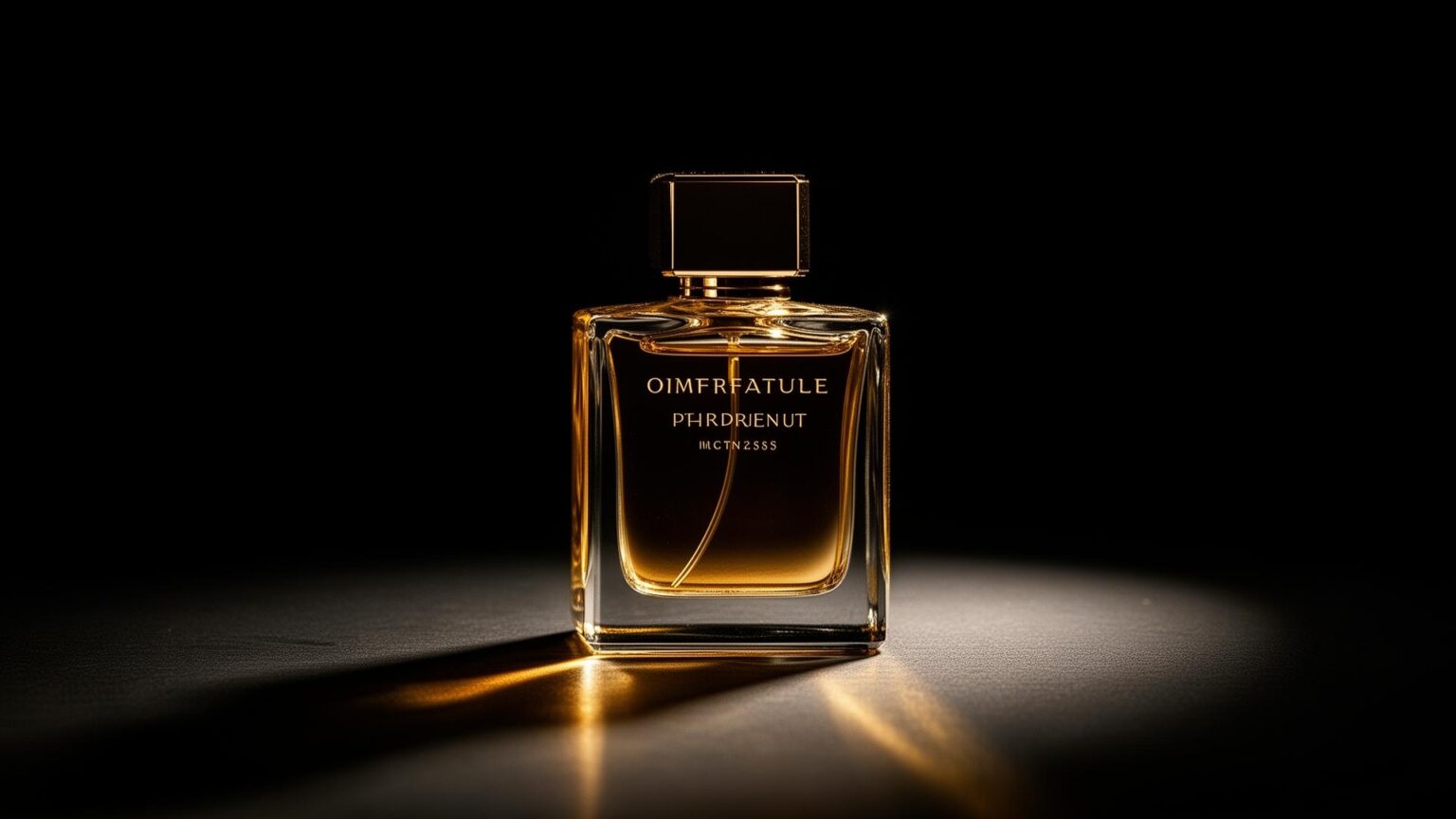
You’re looking at a product photograph and it looks effortless. A perfume bottle suspended at an angle. A luxury watch caught in perfect light, floating at 45 degrees. A fragile piece of jewellery positioned precisely, no visible support.
That effortlessness is an illusion.
Behind every product shot that looks like the product is suspended in space is a sophisticated system of grip equipment, invisible to the camera but essential to the execution. Boom arms. Clamps. Suspension systems. Rigs that cost thousands of dollars and require real skill to deploy.
The grip equipment is the “invisible hero” of professional product photography. And the difference between using it and improvising is the difference between a shot that works and a shot that fails—or worse, a product that gets damaged in the process.
The Problem: Why Difficult Products Demand Real Solutions
Some products are nearly impossible to photograph without professional grip systems.
Perfume bottles. They’re reflective, fragile, and often awkwardly shaped. You can’t just sit one on a surface and shoot it—the angle is wrong, the background is visible, or the bottle catches light in distracting ways. Tilt it for a better angle? Now it’s balanced on an edge and could fall at any moment. Tape it? You’re damaging the product and the tape shows in the photo.
Luxury watches. A watch sitting flat on a table doesn’t show its case, its depth, its craftsmanship. You need the watch tilted, rotated, suspended at specific angles to show the dial, the side profile, the metal finish. Hold it by hand? Your fingers show. Use fishing line? It’s visible if the light catches it. Need a proper support system that’s invisible to the camera.
Jewellery and delicate items. Rings, necklaces, earrings—fragile products that can break or bend if mishandled. Positioning them naturally while keeping them safe and invisible in the photo requires precision equipment.
Reflective and glass products. Anything glass or highly polished bounces light everywhere. You can’t just position it and hope. You need exact placement to control reflections, avoid unwanted shadows, and show the product without showing the support system.
These products don’t photograph themselves. They demand infrastructure.
Why DIY Methods Fail (And Cost You More)
Some photographers and brands try to improvise.
Fishing line and tape. Adhesive. Blu-Tack. Balancing products on improvised supports. Propping things up with hidden objects.
It almost never works.
The risks:
- Product damage. Tape can strip finishes. Adhesive sticks permanently. Balancing acts can result in drops. For high-value products (luxury watches, fragile goods), damaged inventory is a disaster.
- Visible artifacts. Camera sees through your DIY solutions. Fishing line catches light at certain angles. Tape edges show. Shadows from hidden supports become obvious in final images.
- Time waste. Rigging improvised solutions takes hours. Adjusting, repositioning, taking test shots, realizing it’s not working. Professional grip equipment deploys in minutes.
- Unreliable results. What works in one moment doesn’t work in the next. A slight shift in angle, a breeze, vibration from the camera—and your whole setup fails.
Professional grip equipment exists because improvisation doesn’t work at scale or with precision.
What Professional Grip Equipment Actually Does
Grip equipment is the support system that makes product photography possible.
Boom arms. A weighted arm that extends from a sturdy base, allowing you to position products at specific angles and heights. The arm is sturdy enough to hold weight securely but can be adjusted smoothly. A perfume bottle clipped to a boom arm can be tilted, rotated, and positioned exactly as needed—all invisible to the camera.
Clamps and clips. Specialized clamps designed to grip products securely without damaging them. Different clamps for different shapes: flat clamps for bottles, curved clamps for cylindrical items, adjustable clamps for irregular shapes. The grip is firm but doesn’t mark the product.
Suspension systems. Overhead rigs and cables for hanging products (jewellery, delicate items) in space. A ring can hang suspended from an invisible rigging system, positioned at the exact angle needed to show detail without any visible support.
Supports and positioners. Invisible stands, wedges, and supports built to hold products at precise angles while staying out of the frame. These aren’t obvious props—they’re engineered to hold weight at specific angles without being visible.
Light modifiers integrated with rigs. Professional grip systems often include integrated light paths and diffusion panels, allowing you to control reflections and shadows while positioning the product.
This infrastructure isn’t cheap. A professional grip kit costs $5,000–$15,000+. That’s before factoring in the knowledge of how to use it properly.
That’s why this equipment exists: because it’s the only way to handle difficult products with precision.
The Precision Factor: Why It Actually Matters
Here’s what separates professional product photography from decent product photography: precision.
A product needs to be positioned exactly. Not approximately. Not “close enough.” Exactly.
The difference between a watch at 44 degrees and 45 degrees is visible in the final image. The dial catches light differently. The edge of the case shows differently. The reflection in the glass tells a different story.
This requires equipment that can be adjusted to the millimetre, held securely, and kept stable under studio lights and camera movement.
Our approach at GradePixel is built around this precision. Every clamp is chosen for a specific product. Every angle is calculated. Every setup is tested and adjusted before the final shot. It sounds meticulous because it is. Product photography at a professional level isn’t about “getting a shot”—it’s about getting the shot, consistently, with no margin for error.
That’s what serious grip equipment enables.
Real Scenarios: Where Grip Equipment Solves the Problem
Luxury watch shoot: Client needed photos showing the watch from multiple angles—dial face, side profile, case detail, wrist positioning. Without proper suspension and clamps, achieving consistent lighting and angle across all views would have been impossible. With professional grip equipment, we positioned the watch at seven different angles, each one steady, each one lit perfectly, each one completely invisible in the final image. Result: cohesive product series showing every detail.
Fragile jewellery line: Rings, necklaces, and delicate pieces that couldn’t be handled roughly. Each piece needed to be suspended and positioned without any visible support or marks. Fishing line would have failed. Adhesive would have damaged finishes. Professional suspension rigs held each piece secure, invisible to camera, and safe from handling damage.
Perfume and cosmetics batch: 15 products, each needing tilted angles to show packaging and label. Each product slightly different in weight and balance. Improvised solutions would have required re-rigging between each shot, wasting time and creating inconsistency. Professional grip equipment allowed us to swap products between secure clamps in seconds, maintaining consistent positioning and lighting across the entire batch.
The Investment in Equipment Shows in Your Results
Brands investing in professional product photography often don’t realise how much goes into the invisible infrastructure.
The camera, the lighting, the backdrop—that’s maybe 40% of what makes professional product photos look professional. The other 60%? The grip equipment, the precision positioning, the meticulous setup, the knowledge of how to deploy it all.
When you invest in professional product photography, you’re paying for equipment you’ll never see in the final image. Equipment that’s essential because without it, your products either look unprofessional or get damaged in the process.
That’s not overcomplicated. That’s professional.
When You Need Precision Grip Equipment
If your product:
- Is reflective, fragile, or awkwardly shaped
- Needs to be photographed at specific angles to show detail
- Can’t be held by hand or balanced on a surface
- Is valuable enough that damage is a real concern
- Requires multiple angles and positions in a single shoot
Then professional grip equipment isn’t optional. It’s essential.
Ready to Shoot Difficult Products?
If you have products that demand precision—watches, jewellery, fragile goods, perfume, anything that needs invisible support and exact positioning—let’s talk about the right approach.
We’ve invested in professional grip systems because we shoot products that demand it. We understand that precision positioning is what separates a photo that works from a photo that fails.
If you have difficult products to shoot, get in touch. Let’s talk about what your product needs and how we approach it with real equipment and real precision.

A title
Image Box text
Sylvester Lim - Founder of GradePixel
I’m Sylvester, founder of GradePixel, a commercial photography and video production studio in Singapore with over 10 years of experience. I’ve worked with brands across product, food, fashion, and corporate sectors, helping businesses create clean, effective visuals that drive real results. My focus is always on practical, high-quality production that works for marketing.