
Food Photography for Restaurants in Singapore: A Complete Guide
A practical guide to food photography for Singapore restaurants — from menu shoots and GrabFood listings to campaign visuals and what to look for in a studio
June 10, 2026 • gradepixel
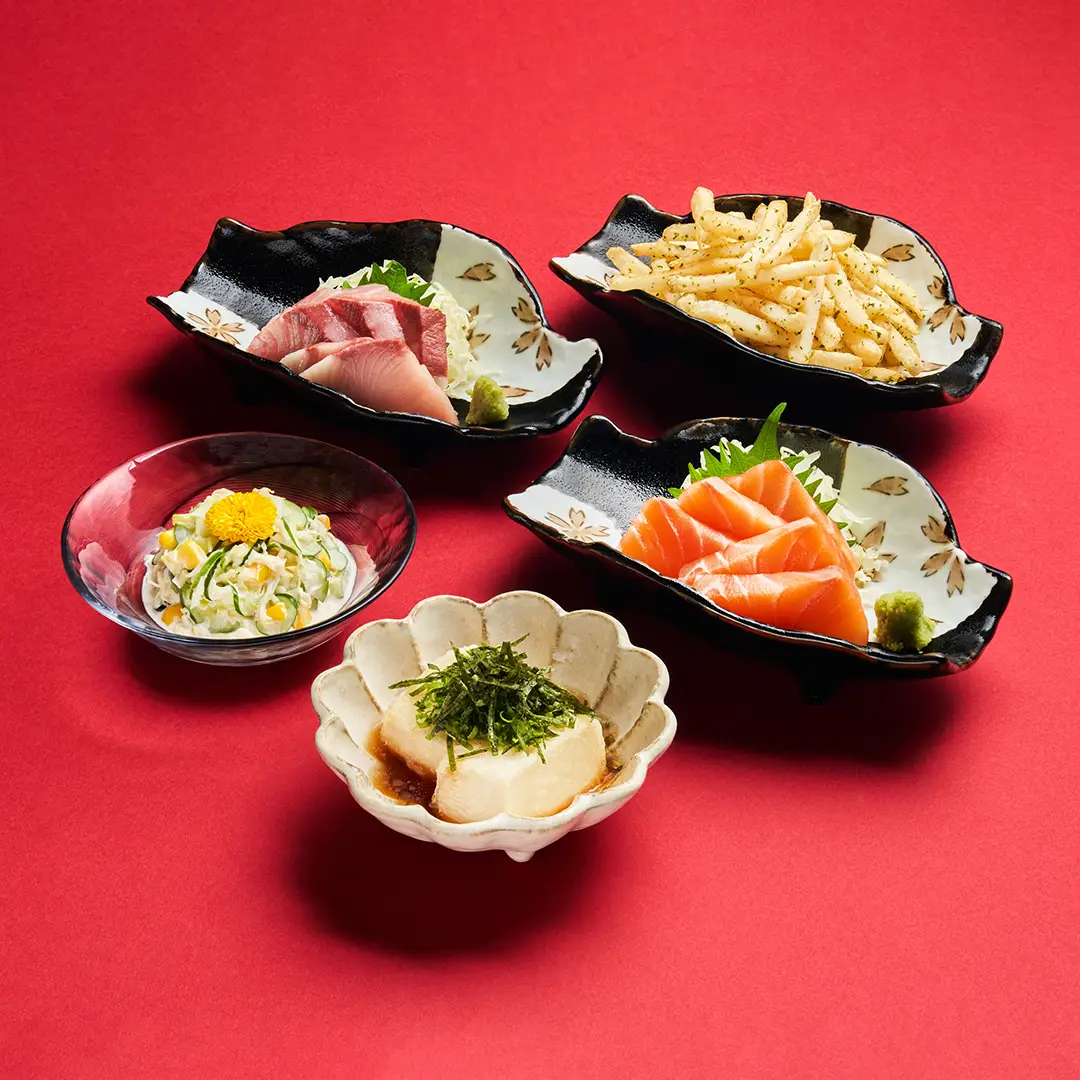
Singapore’s restaurant and food delivery market is one of the most visually competitive in Southeast Asia. GrabFood, Foodpanda, and Deliveroo list hundreds of restaurants in the same category on the same screen. Before a customer reads your menu name or checks your reviews, they see your listing image. That image — and whether it makes them tap — is the first commercial decision your food photography makes.
This guide covers what restaurants in Singapore need to know about food photography: the different types of images you need, how to prepare for a shoot, what to look for when choosing a studio, and how to get the most from your budget.
Why Restaurant Food Photography Is Different
Not all food photography serves the same purpose. Restaurant food photography has specific requirements that separate it from editorial shoots or FMCG brand photography.
Accuracy is non-negotiable. A dish must look like what arrives at the table. Overproduced images that bear little resemblance to the actual food create a trust gap that shows up in reviews and return rates. The goal is to make the dish look as good as it genuinely is — not to misrepresent it.
Volume and consistency matter. A menu update might require 20, 40, or 60 dishes to be shot in a matching style. The consistency across the full set — same lighting, same angle rationale, same colour treatment — is what makes a menu look professional rather than assembled from different sources.
Platform requirements are specific. GrabFood, Foodpanda, and Deliveroo each have image specifications that determine whether your listing image is accepted and how it performs. Not every photographer is familiar with these requirements.
The Different Types of Images Restaurants Need
Menu Photography
Core menu images cover each dish from a consistent angle with consistent lighting. These are used across print menus, digital in-restaurant displays, and your restaurant’s own website.
The priority is accuracy and appetite appeal — in that order. A dish should look exactly as it would be served, shot from the angle that shows it at its best. For most plated dishes, this is a 45-degree elevated angle. For bowls, a slightly higher angle reveals the contents. For stacked items like burgers or sandwiches, eye-level shows the height.
GrabFood and Delivery Platform Photography
Delivery platform images operate under stricter visual requirements than standard menu photography.
GrabFood: Square format (1:1), minimum 1000×1000px. The image should be bright, high-contrast, and have the dish as the clear hero. Cluttered backgrounds, dark images, or heavy styling reduce performance in the listing environment.
Foodpanda: Similar square format requirements. Multiple images per dish are encouraged — a main listing image plus detail or angle shots.
Deliveroo: A strong hero image per dish category. Deliveroo’s platform tends to perform better with slightly warmer, more appetising tones than the clean clinical style that works on some ecommerce platforms.
For all delivery platforms, the listing image is competing against every other restaurant in the same category on the same page. Brightness, clarity, and appetite appeal are the three performance criteria.
Social Media Food Content
Social media content for restaurants operates with more creative latitude than menu or delivery platform images. Instagram and TikTok reward visual variety — a mix of hero dish shots, behind-the-scenes preparation content, styled flatlay images, and lifestyle shots of people enjoying the food.
Consistency across your feed matters. Restaurants that shoot all their social content in a matching visual style build brand recognition over time. Those that mix phone snapshots with professional images create a disjointed impression.
Seasonal and Campaign Visuals
Chinese New Year, Hari Raya, Christmas, and major promotional periods require dedicated visual assets — hero images with seasonal props and colour direction, social media assets, digital advertising creative.
Campaign shoots require a longer lead time and a more detailed brief than standard menu photography. The creative direction, props, and colour palette need to be aligned with your brand before the shoot, not worked out on the day.
How to Prepare Your Restaurant for a Food Photography Shoot
Preparation directly affects how efficiently the shoot runs and how good the final images are. These steps apply whether you are shooting at a studio or on-location at your restaurant.
Finalise the dish list before booking. Changes on the day cost time. Every dish swap or addition during a shoot disrupts the planned shot list and affects the number of dishes you can complete in the session. Confirm the full list, including any variant shots, before the booking is made.
Plate each dish exactly as it would be served. The photographer is not the chef. The food that arrives in front of the camera should already be plated to your standard. If presentation varies between staff, brief the team specifically for shoot preparation.
Prepare garnishes, sauces, and finishing elements in advance. Garnishes should be freshly prepared immediately before each shot. Sauces and toppings that will spread or bleed should be applied as close to the shoot moment as possible.
Share any brand or visual guidelines. If your restaurant has a visual identity — specific colours, a styling aesthetic, logos that should appear — brief the photographer with these upfront. Any reference images you like (whether from your own previous shoots or from other brands) help calibrate expectations.
Identify hero dishes. Some dishes are signature items that deserve more time, more angles, and more styling attention. Brief the photographer on which dishes are priorities before the shoot starts.
Studio Shoot vs. On-Location Shoot
Both options work for different restaurant types and different image needs.
| Studio Shoot | On-Location Shoot | |
|---|---|---|
| Light control | Full — consistent throughout the day | Variable — changes with time of day and weather |
| Consistency | High — same setup for every dish | Moderate — ambient conditions shift |
| Kitchen access | Studio kitchen (ingredient prep) | Your kitchen — familiar but potentially disruptive |
| Ambiance capture | Requires set building | Natural — your dining room, décor, and atmosphere |
| Best for | Menu shoots, delivery platform images, product photography | Lifestyle and ambiance content, environmental storytelling |
For most menu and delivery platform shoots, a studio is the more reliable option. For content that specifically relies on your restaurant’s interior and atmosphere, on-location shooting is the right choice.
Choosing a Food Photography Studio in Singapore
Beyond looking at portfolios, these are the factors that determine whether a studio is the right fit for a restaurant shoot.
Experience with your food category. A studio that specialises in fine dining plated dishes has a different approach from one that regularly shoots hawker food, fast casual, or packaged F&B. Look for sample work from your category — not just good food photography in general.
Knowledge of platform requirements. Not all photographers are familiar with GrabFood’s image specifications, Foodpanda’s formatting, or how images perform on delivery platforms. A studio that regularly shoots for Singapore delivery apps will deliver compliant, platform-ready files without requiring extra post-shoot adjustment.
Turnaround time. A full menu shoot produces a large number of files. Understand the studio’s standard turnaround for editing and delivery — and whether rush options are available if you have a launch deadline.
What post-production is included. Ask specifically what is included in the edit: colour correction, background clean-up, file formatting for your target platforms. Some studios deliver lightly edited files; others deliver fully finished, platform-ready images.
Consistency across large batches. Look at the studio’s portfolio for menu shoots specifically — not just single hero dishes. A consistent set of 30 images is harder to produce than one standout shot, and the portfolio should demonstrate both.
→ See GradePixel’s approach to restaurant and menu food photography at our food photography studio in Singapore.
How Much Does Restaurant Food Photography Cost in Singapore?
Restaurant food photography pricing in Singapore varies based on the number of dishes, session length, and whether you are shooting at a studio or on-location.
Most studios price restaurant menu shoots by session — half-day or full-day — with a rough guide of 8–15 dishes per half-day for straightforward menu items. More complex dishes with elaborate plating, or shoots that include detailed lifestyle or delivery platform variants per dish, will cover fewer items in the same time.
For a full breakdown of what affects pricing and what to expect in Singapore, see our guide on food photography pricing in Singapore.
Frequently Asked Questions
How many dishes can be photographed in one day?
For straightforward white-background or clean-styled menu shots, a full-day session typically covers 20–35 dishes. This varies with dish complexity — a simple packaged product takes less setup time than an elaborate plated dish with garnishes, sauce drizzle, and steam effects.
Should I shoot at my restaurant or at a studio?
For menu and delivery platform images, a studio is usually the better choice — consistent lighting, controlled environment, and no disruption to restaurant operations. For content that specifically needs your restaurant’s interior, atmosphere, or branding environment, on-location is the right call.
Do I need a food stylist for restaurant photography?
For most restaurant menu shoots, an experienced food photographer handles basic styling as part of the shoot. Dedicated food styling becomes important for campaign work, editorial content, or any shoot where the visual treatment goes beyond showing the dish accurately. Ask your studio whether styling is included in their scope.
Can you shoot for GrabFood and Foodpanda requirements in one session?
Yes. A single shoot can produce images that meet the specifications of multiple delivery platforms simultaneously. The key is confirming platform requirements — format, resolution, colour profile — before the session so files are delivered ready for upload to each platform.
GradePixel is a food photography studio in Singapore. We shoot restaurant menus, delivery platform images, and F&B campaign visuals for brands across Singapore. Contact us to discuss your project.
A title
Image Box text
Sylvester Lim - Founder of GradePixel
I’m Sylvester, founder of GradePixel, a commercial photography and video production studio in Singapore with over 10 years of experience. I’ve worked with brands across product, food, fashion, and corporate sectors, helping businesses create clean, effective visuals that drive real results. My focus is always on practical, high-quality production that works for marketing.