
AI Fashion Photography: What It Can Do, Where It Falls Short, and How Brands Are Using Both
AI tools that generate or modify fashion images are no longer experimental. They are in production use at fashion brands of all sizes, and the results range from genuinely useful to commercially misleading. The difference between productive AI use in fashion photography and counterproductive use comes down to understanding precisely what the technology can and [...]
June 12, 2026 • gradepixel
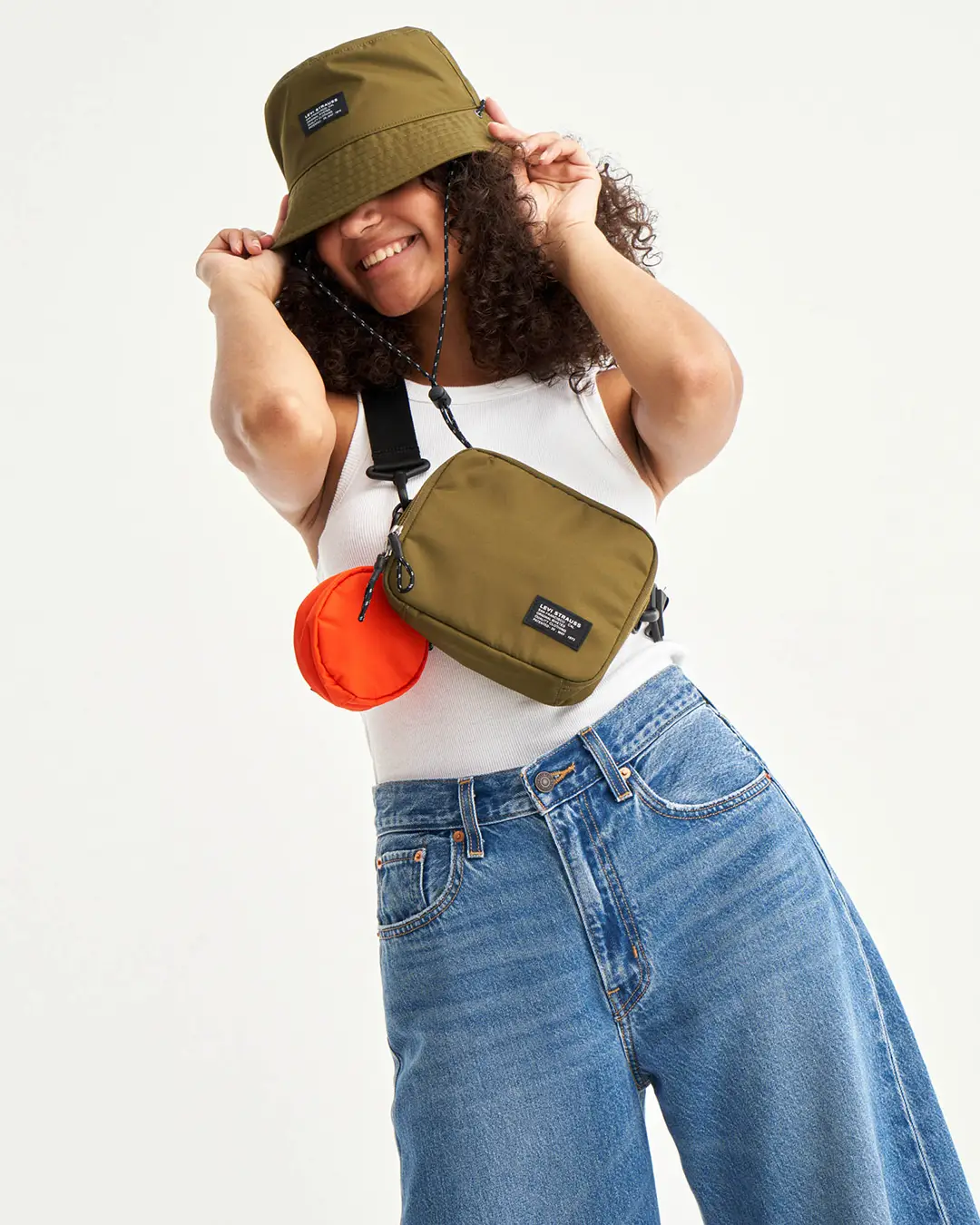
AI tools that generate or modify fashion images are no longer experimental. They are in production use at fashion brands of all sizes, and the results range from genuinely useful to commercially misleading. The difference between productive AI use in fashion photography and counterproductive use comes down to understanding precisely what the technology can and cannot do — and which applications actually serve buyers rather than just reducing production costs in ways that create downstream problems.
This guide covers what AI fashion photography is, where it works, where it does not, and how brands in Singapore are deploying AI and studio photography in combination to get better output than either alone.
What Is AI Fashion Photography?
AI fashion photography uses generative artificial intelligence to create, enhance, or significantly modify fashion images. Applications range from placing a flat garment photo onto a virtual AI model in different poses and body types, to generating lifestyle background scenes behind existing product images, to AI-assisted retouching tools built into professional post-production software.
The category includes both fully AI-generated fashion imagery — where no camera shoot took place — and hybrid workflows where AI tools extend or enhance images that originated in a real studio shoot. The commercial viability of each approach varies significantly by use case.
What AI Fashion Photography Does Well
There are specific, defined applications where AI tools deliver genuine value for fashion brands — faster, at lower cost, or at a scale that manual production cannot match.
Virtual model placement for size representation. Tools like Botika and Zyler can take a flat garment image and place it onto AI-generated models in a range of sizes, body types, and ethnicities. This capability addresses a genuine ecommerce problem: most brands shoot on one fit size, which leaves size inclusivity underserved. AI model placement allows a single studio image to be adapted for multiple size representations without re-booking a shoot.
Background generation for content variation. An existing studio image of a garment can be placed into a variety of AI-generated lifestyle environments — a minimalist studio, a street scene, an outdoor setting — without location photography. For brands that need seasonal content variation from a core image set, this is a practical way to multiply content output from a single shoot investment.
AI-enhanced retouching in post-production. This is the most mature and commercially reliable AI application in fashion photography. Tools built into Adobe Photoshop, Lightroom, and other professional software automate tasks that previously required significant manual editing time: background removal and replacement, skin retouching, clothing clean-up, and colour correction. Most professional fashion photography studios incorporate AI-assisted retouching into their standard post-production workflow. The photographer directs the output; AI executes faster.
Concept and mood board generation. Before a shoot, generative tools like Midjourney and Adobe Firefly produce reference images for a desired visual direction — a colour palette, a styling aesthetic, a compositional mood. This makes pre-shoot alignment faster and more precise, reducing the ambiguity gap between what was briefed and what is delivered.
Social content variation. Adapting a single hero image for different social media formats, seasonal contexts, and market-specific backgrounds is a task AI handles efficiently. For social media content where volume matters and quality standards are somewhat lower than for primary listing images, AI variation tools are a practical production tool.
Where AI Fashion Photography Falls Short
The limitations of AI fashion photography are significant and commercially relevant. Understanding them prevents applications that create visible quality problems or — worse — platform compliance issues.
Fabric Accuracy
Generative AI renders a plausible visual impression of fabric, not the actual material. The specific weight of a wool blend, the sheen of a silk, the texture of a technical performance fabric, the variation in a hand-woven textile — these properties are approximated by AI and frequently misrepresented.
For fashion ecommerce where fabric quality is a purchase decision factor — and where returns happen when the product feels different from what the image suggested — AI-generated fabric representation creates a measurable commercial problem.
Garment Fit and Drape
Placing a flat product image onto a virtual AI model does not produce an accurate representation of how the garment fits on a real body. The way a garment drapes, where it pulls, how it moves with the body, how the fabric behaves at the seams — these properties depend on a physical body inside the garment. AI compositing approximates the shape but cannot replicate the fit reality.
For buyers making size decisions, AI model images produce higher return rates than images of the actual garment on a comparable real model, because the fit expectation set by the AI image does not match the delivery.
Platform Compliance
Shopee, Zalora, and Lazada require that listing images accurately represent the physical product the buyer will receive. Fully AI-generated primary listing images — particularly those where the garment’s appearance has been significantly altered or where the image does not correspond to the actual product — risk listing rejection, suppression in search, or account suspension.
Secondary images and marketing content are treated with more flexibility across platforms, but the primary listing image standard is clear: it must accurately represent what the buyer receives.
Brand Creative Direction
AI generates plausible images. It does not understand your brand’s visual identity, your seasonal direction, the emotional tone your campaign is trying to create, or the subtle difference between an image that looks right for your brand and one that looks generic. Art direction — the human judgment about what makes an image right for a specific brand context — is not a capability AI tools currently replicate.
AI Fashion Photography Tools in 2025
Botika: Virtual model try-on tool that places garment images onto AI models in different poses, sizes, and ethnicities. Best application: size variant representation and market localisation for existing product images.
Zyler: Virtual fitting room that generates model images from flat garment photographs. Similar application to Botika — most useful for size and representation expansion.
Adobe Firefly (Photoshop Generative Fill): Background generation, object removal, scene extension — integrated directly into professional post-production software. The most practically useful AI tool for studios incorporating AI into their workflow.
Midjourney and Stable Diffusion: High-capability generative tools for concept creation, mood board production, and visual direction development. Not reliably production-ready for platform listing images.
Stylumia: AI-powered fashion trend analytics and visual merchandising tool — more relevant for product and buying decisions than for photography production.
How Fashion Brands Are Using AI and Studio Photography Together
The most commercially effective approach is not AI or studio — it is AI and studio, deployed intelligently for what each does best.
Studio photography for: All primary listing images for Shopee, Zalora, and Lazada. Lookbook and campaign photography. Any image where fabric accuracy, garment fit, or brand creative direction determines the image’s commercial value. Ghost mannequin photography, where the physical garment on a physical mannequin produces the structural accuracy that AI cannot replicate.
AI tools for: Size variant representation from existing studio images. Background variation for seasonal social media content. Post-production retouching acceleration across large catalogue batches. Concept and mood board generation for pre-shoot briefing. Adaptation of hero images for different platform formats and crop ratios.
The practical outcome: Brands that shoot a strong studio image set and then use AI to multiply its value — more size variants, more seasonal backgrounds, faster post-production — get significantly more commercial utility from their photography investment than brands that try to use AI to replace the studio shoot.
→ To discuss how GradePixel incorporates AI-assisted retouching into our studio workflow, visit our fashion photography studio in Singapore.
Should Your Brand Use AI Fashion Photography?
| Use case | AI only | Studio only | AI + Studio |
|---|---|---|---|
| Shopee / Lazada main listing | ✗ | ✓ | ✓ |
| Zalora primary listing | ✗ | ✓ | ✓ |
| Size variant representation | ✓ | ✗ | ✓ |
| Seasonal background variation | ✓ | ✗ | ✓ |
| Lookbook and campaign | ✗ | ✓ | ✓ |
| Social media content variation | Sometimes | ✓ | ✓ |
| Post-production retouching | ✓ | ✗ | ✓ |
| Pre-shoot concept and mood board | ✓ | ✗ | Either |
The pattern is consistent: AI tools deliver value at the edges of content production — variation, scaling, speed, and concept work. Studio photography remains the required standard for primary listing images, lookbooks, campaigns, and any image where fabric accuracy and brand creative direction determine its commercial effectiveness.
Frequently Asked Questions
Are AI fashion images allowed on Zalora and Shopee?
Both platforms require that primary listing images accurately represent the physical product. Fully AI-generated images — particularly those where the garment’s appearance has been significantly altered from the actual product — risk listing rejection or account action. Secondary images have more flexibility, but the safest approach for platform compliance is to use real studio photography for primary listing images and use AI for secondary content and social media variation.
Can AI replace fashion models?
For size representation and market localisation in secondary content, AI model tools provide a practical solution. For primary listing images, lookbook photography, and any campaign work where garment fit and fabric accuracy are commercial requirements, AI cannot currently replicate what a real model shoot delivers. The return rate data on AI model images versus real model images consistently shows a gap in buyer satisfaction.
Which AI tools work best for fashion ecommerce?
For post-production retouching in a professional workflow, Adobe Firefly integrated into Photoshop is the most practical and reliable option. For size variant representation from existing product images, Botika and Zyler are the category leaders. For concept and mood board work, Midjourney produces strong creative direction references. For primary listing image production, none of the current AI tools reliably meet the accuracy standard that Shopee, Zalora, and Lazada require.
GradePixel is a fashion photography studio in Singapore. We shoot ecommerce catalogues, lookbooks, ghost mannequin, and campaign visuals for fashion brands. Contact us to discuss your project.
A title
Image Box text
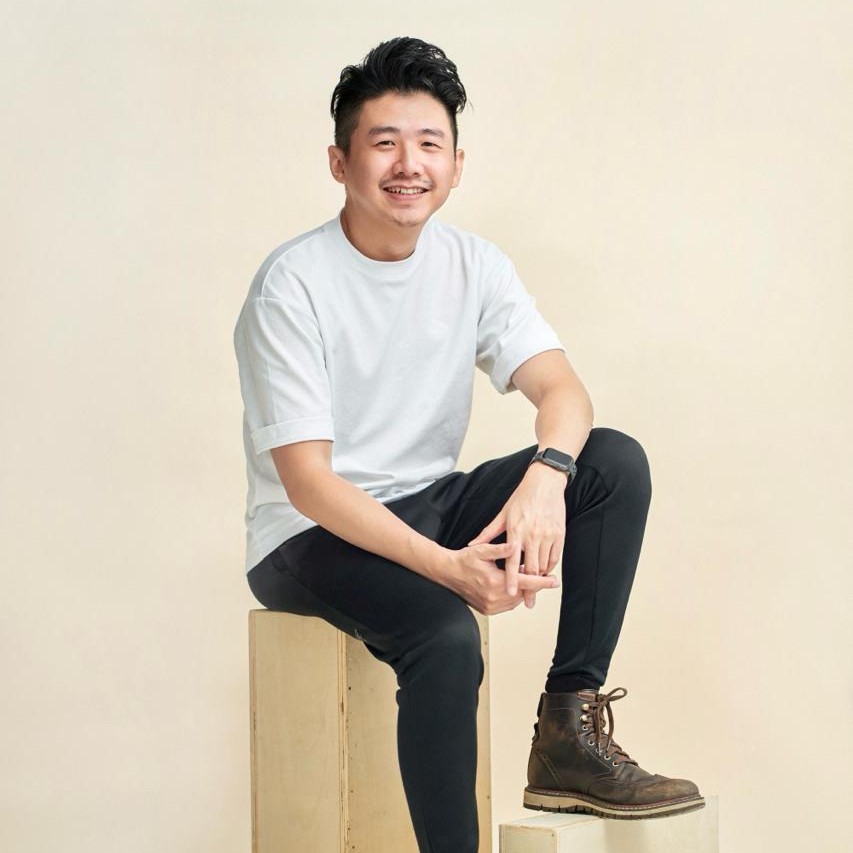
Sylvester Lim - Founder of GradePixel
I’m Sylvester, founder of GradePixel, a commercial photography and video production studio in Singapore with over 10 years of experience. I’ve worked with brands across product, food, fashion, and corporate sectors, helping businesses create clean, effective visuals that drive real results. My focus is always on practical, high-quality production that works for marketing.