
Capturing the ‘Sizzle’: Why Professional Food Photography is a Must for Singapore’s Competitive F&B Scene
That's the moment most restaurant owners realize that food photography isn't optional in Singapore's competitive F&B scene. It's essential.
May 14, 2026 • gradepixel
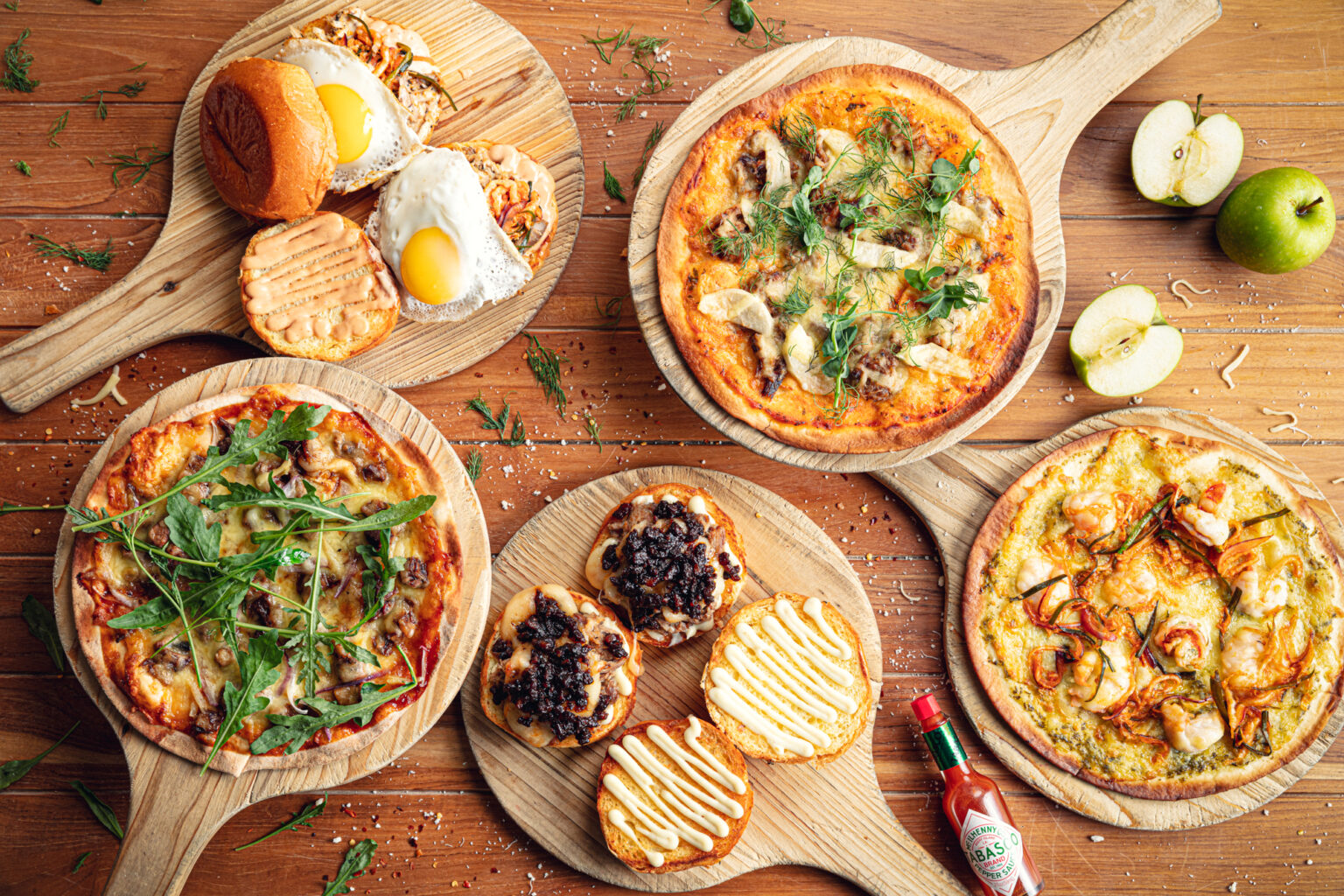
Your new restaurant opens in two weeks. The menu is finalized, the kitchen is dialed in, and your Instagram is ready for launch.
Then you realize: you need food photography.
So you grab your phone, shoot under the restaurant lights, and upload. The food looks dull. The colours are off. Your competitor across the street has crisp, appetizing photos that stop people scrolling.
That’s the moment most restaurant owners realize that food photography isn’t optional in Singapore’s competitive F&B scene. It’s essential.
The challenge isn’t just taking the photo. It’s keeping the food looking fresh, appetizing, and true-to-life under studio lighting for 3–4 hours while shooting 15–30 different dishes. That’s where professional expertise separates results that move product from photos that just sit there.
After shooting for dozens of restaurants across Singapore—from hawker-style concepts to fine dining—we’ve learned exactly how to solve this problem. This is how we keep food looking like customers expect it to look, even after hours on set.
Why Food Photography Matters (More Than You Think)
Let’s start with the obvious: people eat with their eyes first.
On Instagram: A crisp food photo gets 3x more engagement than a mediocre one. It drives foot traffic. It sets expectations. It tells customers “we care about quality.”
On your website and menu: Professional food photography builds perceived value. A $18 dish photographed well looks worth $18. Photographed poorly, it looks like a gas station sandwich.
For delivery apps: Grab, Foodpanda, and similar platforms are how many customers discover you. Your food photo is competing for screen real estate against hundreds of other restaurants. Mediocre photos lose.
For word-of-mouth: Customers don’t just share the experience anymore—they share the photo. A photo worth sharing is a photo that looks professional.
In a market like Singapore where F&B is hyper-competitive and margins are tight, the restaurants winning on social media and delivery apps are the ones with professional food photography. It’s not nice-to-have. It’s business-critical.
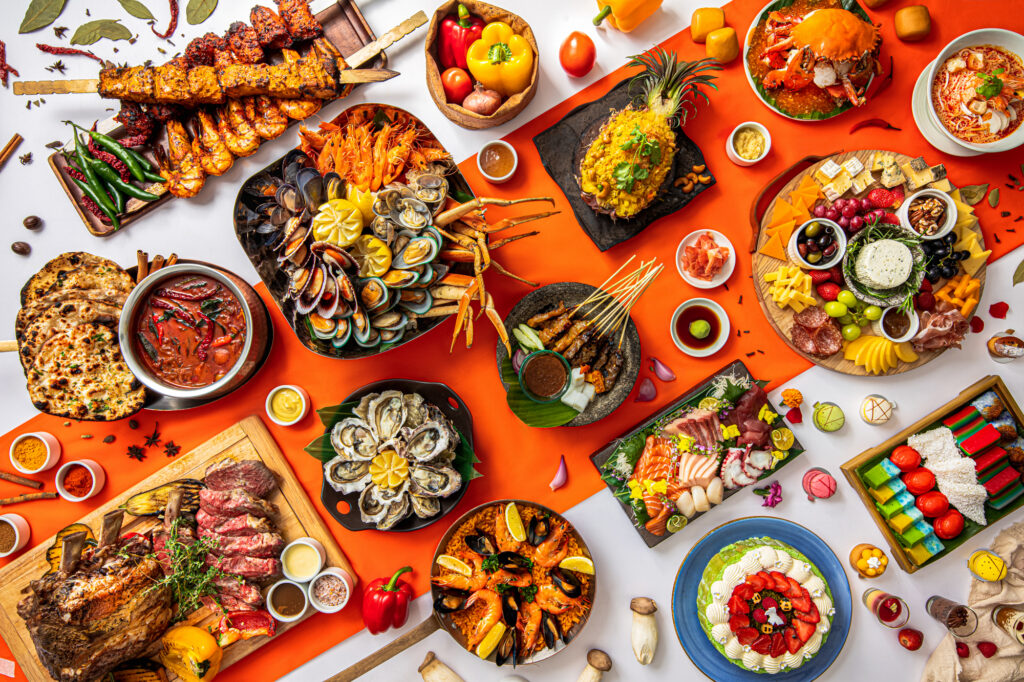
The Real Challenge: Keeping Food Fresh Under Studio Lights
Here’s what most people don’t understand: a restaurant shoot isn’t like a portrait session. You’re not shooting one or two images. You’re shooting 20+ dishes, which means 3–4 hours under hot studio lights.
Food doesn’t stay perfect for that long. Ice cream melts. Salads wilt. Sauces dry. Steam rises and fades. Condensation appears on glasses.
After 2 hours, obvious decay starts. After 4 hours, even careful handling shows damage.
This is why professional food photographers use specific tricks and workflows. And why DIY restaurant photography—even with a good camera—usually fails.
How We Keep Food Looking Fresh (Our Actual Workflow)
Order strategically. Don’t shoot everything at once
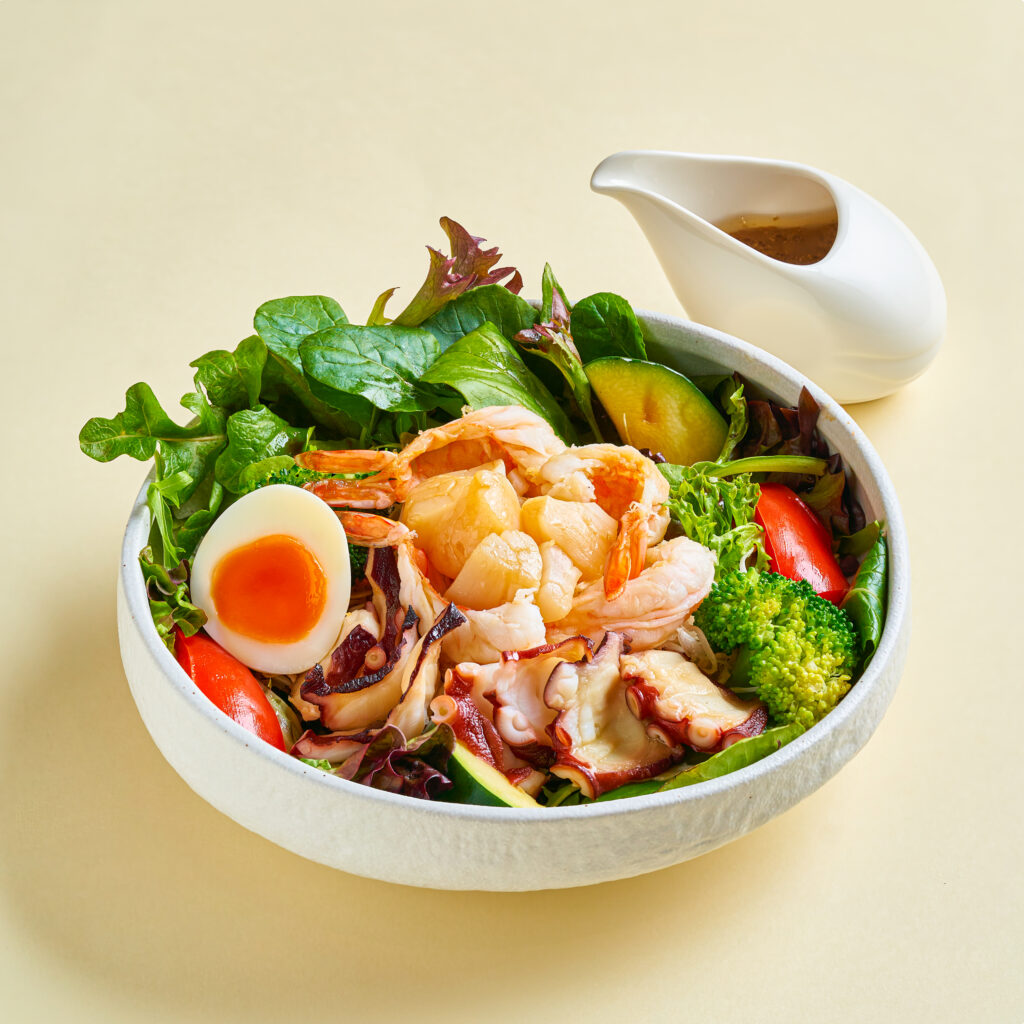
We don’t ask the kitchen for all 25 dishes at the start. We shoot in waves. Cold dishes (salads, cold appetisers, desserts) first. Hot dishes (curries, soups, grilled items) last. This means cold food has maximum time on set, and hot food stays steaming.
Within each wave, we prioritise: items that degrade quickly (anything fried, anything with sauce) shoot first. Robust items (whole fish, grilled meat, structured dishes) shoot later.
Real example: At a modern Asian restaurant, we shot their salad course first (it holds for 2 hours), then cold appetisers, then hot mains, then desserts. The entire shoot: 3.5 hours. The first salad shot looked as fresh as the last dessert shot.
Use styling tricks that actually work
- Steam and moisture: We use dry ice under certain dishes (grilled items, soups, curries) to create that fresh-off-the-stove look. The steam enhances appetite appeal and hides any food that’s started to dry.
- Glycerin instead of water: Drops of glycerin look like fresh condensation on glasses and ice, but they don’t evaporate or run. Real water disappears within 30 seconds under lights.
- Oil and shine: A light brush of food-safe oil on grilled items keeps them glossy and prevents them from looking dried out. Overdo it and it looks greasy. It’s a precision trick.
- Fresh elements: We keep garnishes, herbs, and fresh components separate. They go on the plate 2–3 minutes before shooting, not when the dish arrives. This keeps them crisp.
- Sauce application: If sauce separates or dries, we re-apply fresh sauce moments before the shot. It’s the difference between “looks delicious” and “looks like it’s been sitting.”
Control the environment obsessively
The studio temperature, lighting heat, and humidity all affect how food looks and degrades. We keep our studio cool—not cold, but cool enough that ice cream doesn’t melt and whipped cream holds shape. Studio lights generate heat, so we use powerful but cool lighting systems (LED vs. tungsten makes a difference).
We also control plating and positioning. Every angle is calculated. We’re not hunting for the “right” angle during the shoot—that’s wasted time where food is deteriorating. We know the angle before the dish arrives.
Have a photo director and a food handler
The photographer focuses on composition and lighting. A dedicated food handler (often us, sometimes a trained assistant) manages the food. They know exactly when something needs refreshing, when sauce needs re-application, when a garnish is wilting. This separation of duties is essential. A photographer can’t shoot while also babysitting the dish.
What This Means for Restaurant Owners
A professional food shoot isn’t just “bring the dishes and take photos.” It requires:
- Pre-planning what shoots when (strategic ordering)
- Proper studio setup with controlled temperature and lighting
- Food styling knowledge (how to make food look good without making it inedible)
- A defined workflow to keep pace
A 3–4 hour shoot produces 150–250 final images. From those, you’ll use maybe 30–40 across your website, Instagram, and marketing. That’s your visual identity for the next 6–12 months.
A rushed, amateur shoot produces mediocre photos that don’t compete. A professional shoot produces work that converts.
Real Examples from Restaurants We’ve Shot
Modern Asian concept: 25 dishes, 3.5-hour shoot. Cold items shot first, hot items last. Final photos used across Instagram (200K followers), website, and Grab. The client reported a 40% increase in Grab orders within a month of launching new photos.
Hawker-style restaurant: Challenged by steam, condensation, and quick decay of fried items. We shot fried items within the first hour, used dry ice for steam effect, controlled plate positioning. The photos launched their first successful Instagram campaign.
Fine dining establishment: 12-course tasting menu, each course a small artwork. Precision styling, careful timing, specific angles for each dish. Shot over 4 hours with no visible degradation. The images defined their brand visuals for two years.
The difference: in every case, we knew the challenge going in. We planned for it. We managed it professionally.
The ROI Conversation
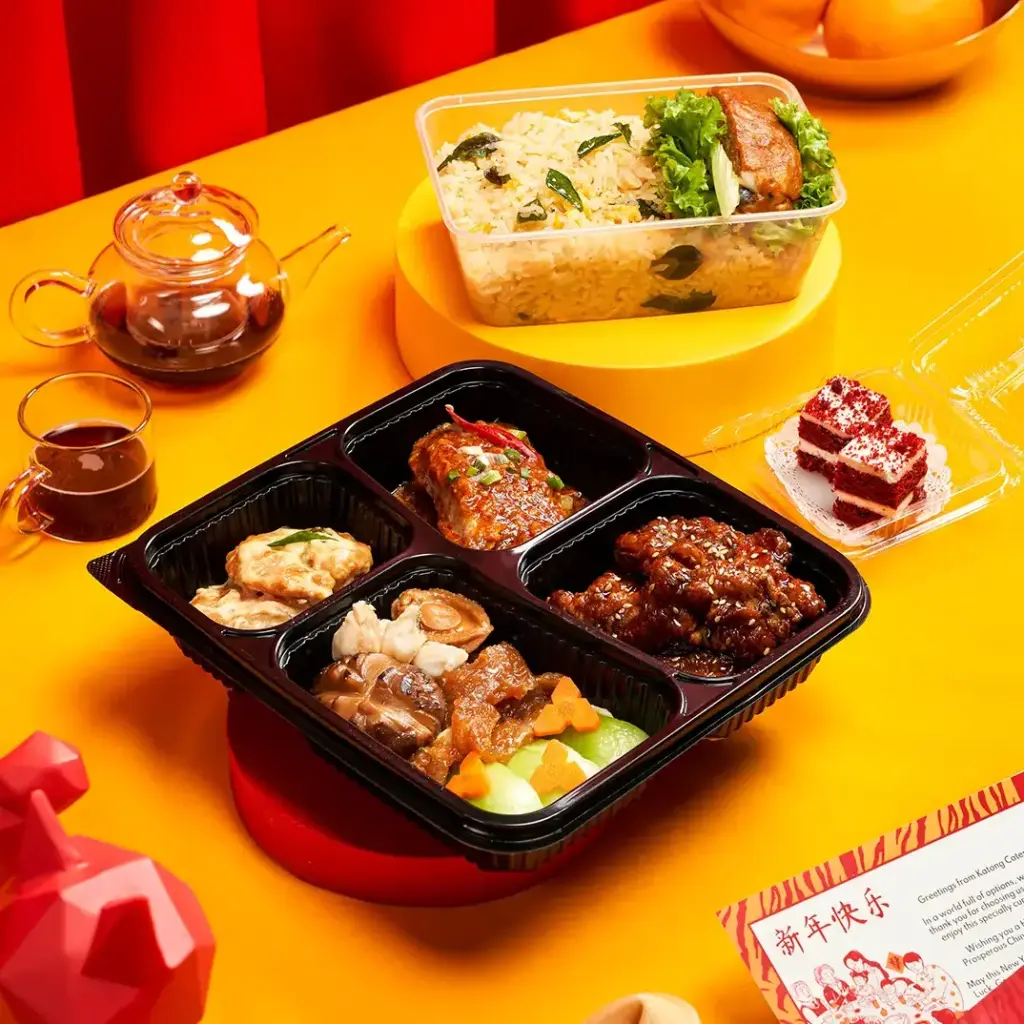
Professional food photography costs money. A typical shoot: $2,500–$4,500 depending on dish count and complexity. That’s an investment.
But consider the return:
- Higher engagement on Instagram = more foot traffic
- Better conversion on delivery apps = more orders
- Professional visual identity = perceived higher quality = justifies higher prices
- Content that lasts = those photos work for 6–12 months
A restaurant owner who invests in professional food photography once a year is outcompeting the ones doing DIY phone photography every time a customer scrolls past.
Ready to Elevate Your Food Photography?
If you’re opening a new restaurant, relaunching your menu, or just realising your current food photos aren’t cutting it, professional photography is a smart investment.
The difference between amateur and professional food photos isn’t subtle. It’s the difference between a customer stopping to look and a customer scrolling past. It’s the difference between your dish and your competitor’s dish.
Singapore’s F&B scene is competitive. The restaurants that look best on Instagram and delivery apps win. That starts with photos that actually make people hungry.
Ready to elevate your food photography? Let’s talk about your menu, your concept, and how to make your food look as good as it tastes.
A title
Image Box text
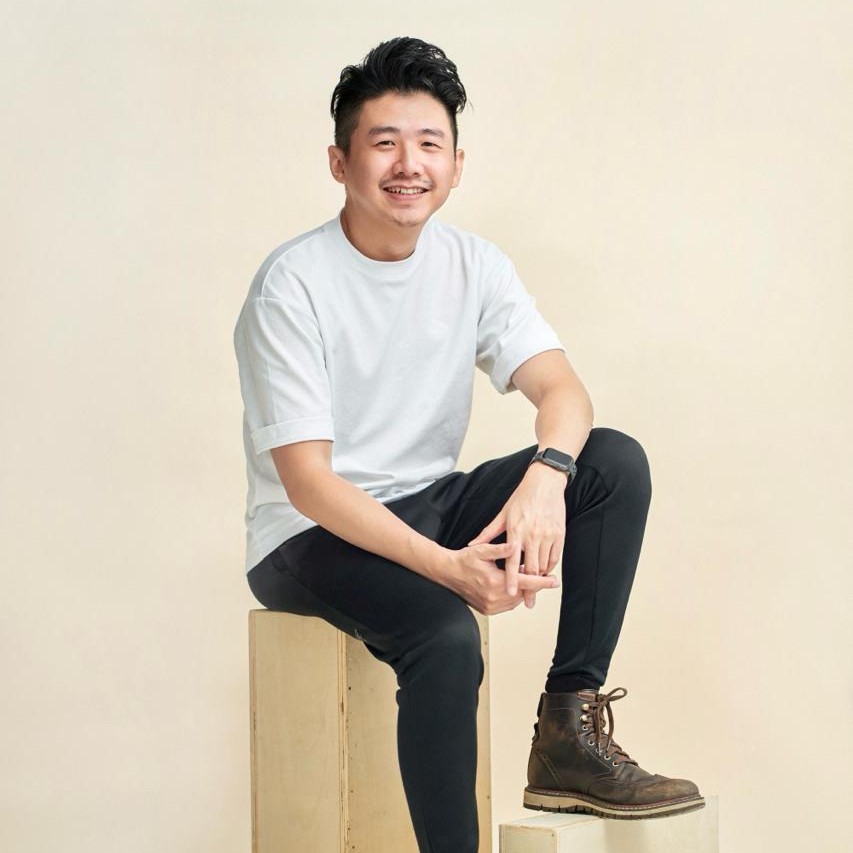
Sylvester Lim - Founder of GradePixel
I’m Sylvester, founder of GradePixel, a commercial photography and video production studio in Singapore with over 10 years of experience. I’ve worked with brands across product, food, fashion, and corporate sectors, helping businesses create clean, effective visuals that drive real results. My focus is always on practical, high-quality production that works for marketing.