
Food Product Photography in Singapore: A Guide for F&B Brands and FMCG
Food product photography in Singapore for packaged goods, FMCG brands, and retail catalogues. Platform-ready images, consistent colour, and fast turnaround
June 9, 2026 • gradepixel
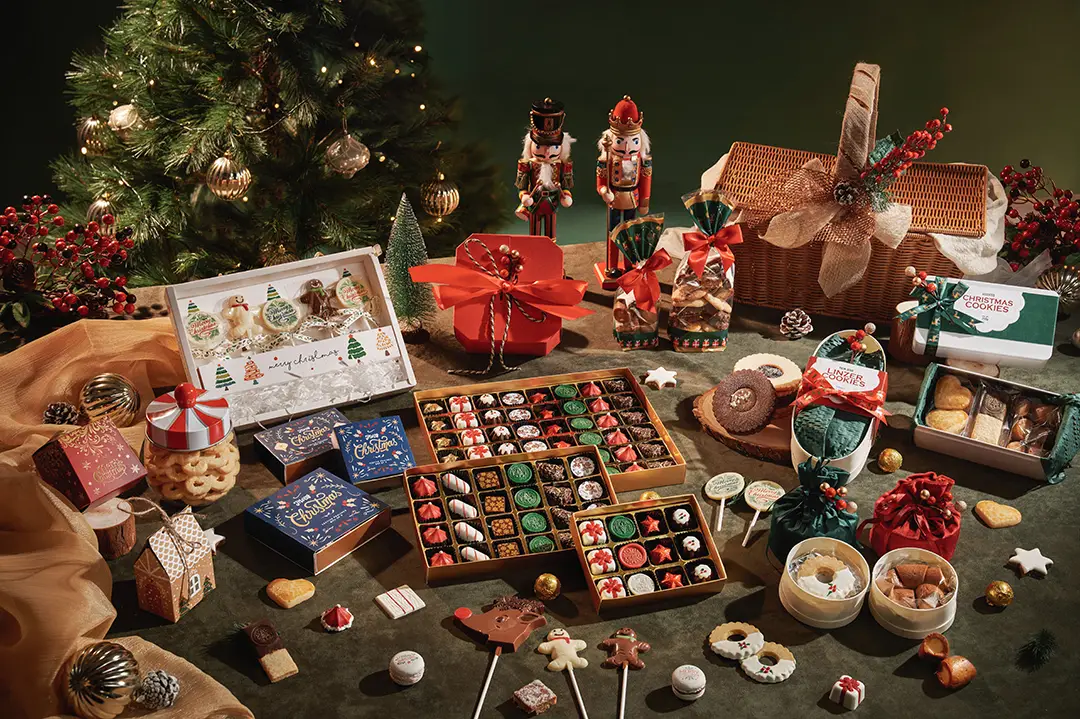
Food Product Photography Singapore: A Studio Guide for FMCG and Retail Brands
Food product photography is the commercial photography of packaged or manufactured food and beverage products — bottles, tins, boxes, sachets, and jars — for retail shelves, ecommerce listings, brand catalogues, and advertising campaigns. The priority is accurate, brand-compliant representation rather than appetite appeal, distinguishing it technically and commercially from restaurant or dish photography.
Not all food photography is the same discipline, and the distinction matters when briefing a studio. A brand selling packaged food or beverages has specific requirements: product accuracy, label legibility, brand colour compliance, and images formatted for multiple ecommerce and retail channels simultaneously. This guide covers what food product photography involves, which brands in Singapore need it, what a complete image set includes, and how to brief a studio for the best outcome.
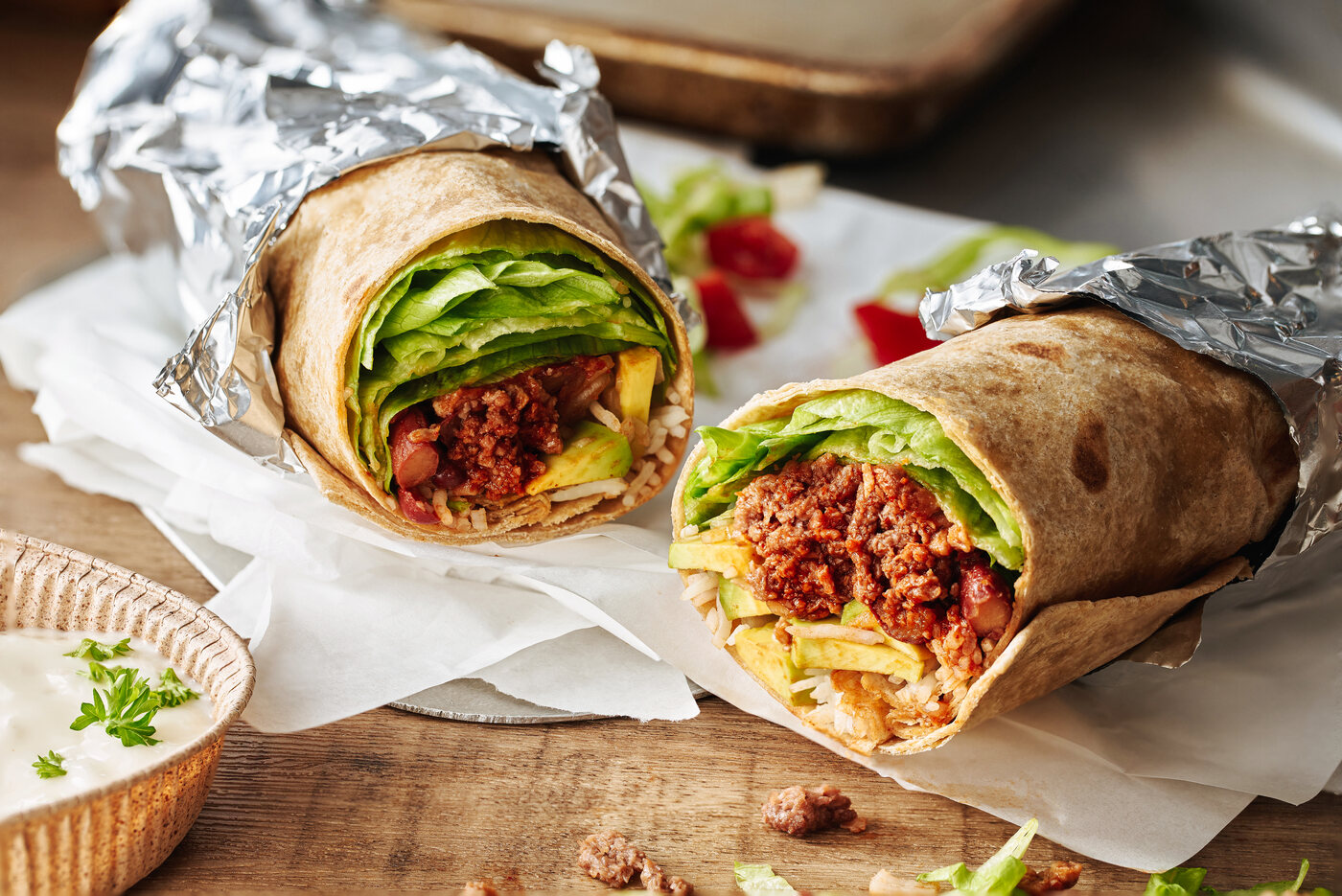
Food Product Photography vs Restaurant Food Photography
The two categories serve different commercial purposes and require different technical approaches. Understanding the difference matters before briefing any studio, because a photographer who excels at restaurant menu imagery may not be the right fit for a high-volume FMCG catalogue shoot — and vice versa.
| Restaurant Food Photography | Food Product Photography | |
| Subject | Freshly prepared dishes | Packaged or manufactured products |
| Primary priority | Appetite appeal | Accuracy and brand compliance |
| Background | Often styled or contextual | Typically white or brand-matched neutral |
| Scale | Per dish (single shoot) | Per SKU (often large volume) |
| Platform | Menu, GrabFood, social | Ecommerce, retail, trade catalogue |
| Time pressure | High (food degrades) | None — product is stable |
| Post-production focus | Colour accuracy, consistency | Retouching to brand spec, platform compliance |
Both disciplines require technical expertise, but the workflow, equipment priorities, and commercial stakes are different. For brands or agencies managing restaurant food photography alongside packaged product work, it’s worth confirming a studio’s specific experience in both rather than assuming a strong portfolio in one guarantees equal competence in the other.
Which Brands in Singapore Need Food Product Photography
The category is broader than it first appears. FMCG brands launching on supermarket shelves, ecommerce platforms, or through distributors represent the obvious segment — strong product photography is a requirement for shelf listing submissions and trade presentations, not an optional upgrade. Health, supplement, and wellness brands selling on Shopee, Lazada, or their own brand websites need ecommerce-compliant images because listing image quality directly affects click-through and conversion rates, and platforms enforce minimum standards.
Beverage brands — producing imagery for retail, on-trade, and brand campaigns — face a specific technical challenge: bottles, cans, and packaged drinks require specialist lighting to manage reflections and reproduce colour accurately. Meal kit, ready-to-eat, and frozen food brands typically need a mix of product shots and lifestyle imagery showing the food prepared and served, since buyers for this category make purchase decisions based on both the packaging and the end result. Food distributors updating catalogue imagery for wholesale clients, trade shows, and B2B materials round out the category — the volume requirements here are often significant, which means studio workflow efficiency matters as much as image quality.
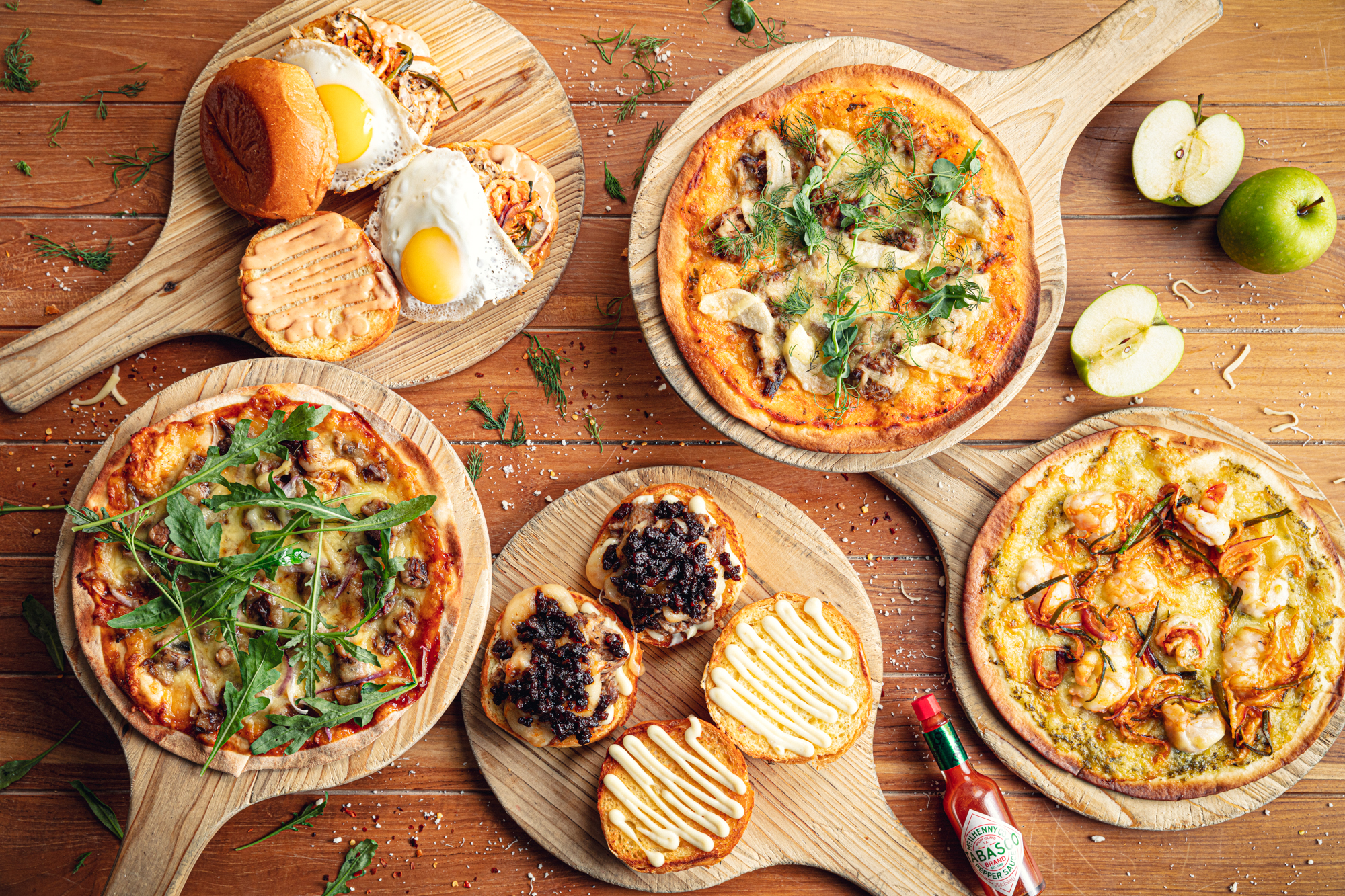
The Five Image Types Every Packaged Food Brand Needs
A complete image set for a packaged food or beverage product covers five functional requirements. Each serves a different platform and buyer context — and building the set systematically means a single shoot can deliver assets across all your channels simultaneously.
White Background Hero Shot
The foundational image, and non-negotiable for ecommerce. The product isolated on a clean white background, label clearly visible, colour accurate to the physical product. Shopee, Lazada, and FairPrice Online all require that the primary listing image meets specific technical standards: a white or near-white background, product filling the majority of the frame, and minimum resolution thresholds. For brands selling internationally on Amazon, the specifications are stricter still. This is the image that determines whether a listing gets indexed and displayed correctly — there is no substitute.
Lifestyle Contextual Shot
The product placed in a relevant usage setting. A protein powder on a gym bag beside a water bottle. A premium olive oil on a kitchen counter. A snack pack open on a desk. Lifestyle images answer the buyer’s implicit question — “how does this product fit into my life?” — and perform well as secondary listing images and in paid social advertising. They humanise the product in a way a pure hero shot cannot. In Shopee and Lazada listings that perform well, lifestyle images typically occupy the second and third listing slots, with the hero shot leading.
Ingredient or Content Shot
Shows what is inside the product — key ingredients arranged beside the packaging, a cross-section, or the product prepared and served. Common for health food, supplement, and premium grocery categories, where buyers want to verify ingredient quality before purchasing. This image type builds trust with buyers who scrutinise ingredients lists, and performs well in brand storytelling content and educational posts. For supplement brands in particular, where ingredient transparency is a purchase driver, a well-executed ingredient shot can be one of the most commercially important images in the set.
Detail and Label Shot
A close-up of the packaging design, label copy, certification marks, or a specific product feature. Important for premium brands where packaging quality is part of the value proposition, for products with nutritional claims or certifications that need to be legible, and for any product where label details — ingredient lists, brewing instructions, dosage information — influence the purchase decision. This image type is increasingly expected by buyers in health and wellness categories.
Range Shot
Multiple SKUs or flavour variants photographed together in a cohesive composition. Used for brand campaigns, new range launches, social media content, and trade presentations. A well-executed range shot communicates brand consistency across variants and is often the image that leads on brand marketing materials and trade presentations, where the breadth of the range — rather than a single product — is the selling point.
Platform Image Requirements in Singapore
Different platforms enforce different specifications for listing images, and meeting these requirements before delivery — rather than reformatting after — saves significant post-production time and avoids rejection or listing suppression.
For Shopee and Lazada, the main listing image must have a white or very light background with the product filling 85 per cent or more of the frame. The minimum resolution is 500×500 pixels, though 2,000 pixels or above is strongly recommended to support zoom functionality. The aspect ratio for the main listing image is square (1:1). Secondary listing slots — typically four to eight images per listing — accept lifestyle, infographic, and detail shots without the background restriction. No watermarks or heavy overlays are permitted on the main image.
FairPrice Online and RedMart require clean product imagery with the label clearly visible from multiple angles. Images should accurately represent how the product appears on the physical retail shelf. Brand website and own ecommerce stores allow more creative flexibility — a mix of white background hero shots and lifestyle imagery typically performs best — with consistent colour treatment and visual style across the full product range. For trade catalogue and print use, high-resolution files at 300 dpi minimum are required, with consistent background and lighting treatment across all SKUs.
How to Brief a Food Product Photography Studio
A clear brief is the single most impactful thing a brand or marketing manager can do to improve the output of a food product photography shoot. Studios work best when they know exactly what they’re producing before the shoot day — and the more specific the brief, the less time is spent resolving questions on set.
Start with a complete SKU list — every product variant that needs to be shot, including different sizes, flavours, or packaging formats. Map each SKU to the image types required: hero only, hero plus lifestyle, hero plus detail, or a full set. This determines session length and overall scope. Include your brand guidelines — colour profiles, approved typefaces, any specific styling do’s and don’ts — particularly important for brands with strong visual identities or licensed brand standards. Specify the platform destination upfront, so files are delivered formatted for every required channel without a second round of reformatting. Our [food photography in Singapore] (/food-photography-singapore/) studio handles multi-format delivery as standard, but the studio needs to know the destinations before the shoot to set up the post-production workflow correctly.
For colour-critical categories — beverages, sauces, produce-based products — specify whether a physical product sample or colour reference will be provided for verification during the shoot. Include your launch timeline. A clear deadline shapes the production schedule and sets expectations for turnaround on both sides.
Volume, Consistency, and Cross-Platform Delivery for FMCG Brands
Singapore’s FMCG and branded food market is served by a range of studios, but not all of them are set up for the specific demands of high-volume packaged food photography. A large SKU count — fifty or a hundred products — requires a studio with efficient workflow processes, consistent lighting setups that can be reproduced across sessions, and colour grading systems that match images shot on different days.
Label accuracy is a requirement that experienced FMCG studios understand without needing to be briefed on it. Food products with certification marks, nutritional information, or specific safety labelling need those elements to be clearly visible and accurately reproduced across the entire batch — not just on a hero image approved in isolation. Cross-platform delivery matters at this scale too: most FMCG brands need images simultaneously formatted for Shopee, Lazada, FairPrice, and their own website. A studio that handles format delivery as part of standard output reduces post-shoot admin significantly and avoids the situation where the shoot is done but every image needs reformatting before it can go live.
For non-food packaged product photography — consumer goods, personal care, household products — the same workflow principles apply. See our product photography in Singapore service for the broader commercial product photography approach.
Frequently Asked Questions About Food Product Photography
What is the difference between food product photography and restaurant food photography?
Restaurant food photography focuses on freshly prepared dishes — the priority is appetite appeal and capturing the dish at its best before it degrades. Food product photography focuses on packaged or manufactured products — the priority is accuracy, label clarity, and platform compliance. The subjects are stable, the workflow is volume-oriented, and the post-production requirements are different. A photographer who produces excellent restaurant menu images may not be the right fit for a large-volume FMCG catalogue shoot, and vice versa.
How many product shots do I need per SKU?
The minimum for ecommerce is typically one main white background hero shot plus two to three supporting images — angles, a detail shot, and one lifestyle image. A well-optimised Shopee or Lazada listing typically includes six to eight images per SKU. For print catalogue use, fewer images at higher resolution are typically required — often three to four per SKU covering the front, side, and a detail shot. Confirming your intended use cases in the brief ensures the shoot scope covers every requirement in a single session.
Can food product photography images serve both ecommerce and retail trade use?
Yes. A single set of high-resolution files can be formatted for both ecommerce platforms and print trade catalogues. The key is shooting at sufficient resolution — 2,000 pixels or above on the longest side — and confirming all intended uses in the brief so the post-production workflow and file delivery covers every required format. Reformatting from a high-resolution source is straightforward; upscaling from a low-resolution file for print use is not.
How do you maintain colour accuracy across a large product range?
Professional studios use calibrated monitors, colour-consistent lighting setups, and physical product references during the shoot to verify colour accuracy in real time. Post-production colour grading is applied consistently across the full batch using a master colour profile established at the start of the project. For colour-critical categories — beverages, sauces, fresh produce-based products — test shots are reviewed against physical product samples before full production begins, and a colour-approved first image is used as the reference standard for the rest of the batch.
How should I ship products to the studio before a shoot?
Products should arrive at the studio intact, with packaging in shoot-ready condition — no dents, scuffs, label damage, or storage marks. For products with a best-before date visible on pack, ensure the date printed is either not visible in the intended shot angles or is sufficiently far in the future that it won’t need retouching. Fragile or premium packaging should be packed to protect it during transit. It’s worth confirming with the studio how many units of each SKU to send — most studios prefer one or two spares per variant to allow for any packaging imperfections discovered on the shoot day.
Packaged food and beverage brands in Singapore operate across some of the most demanding ecommerce and retail environments in Southeast Asia, and the visual bar on listing quality is rising. GradePixel produces food product photography for FMCG brands, distributors, and retail-listed F&B companies — from single-product launches to large-volume catalogue shoots with multi-platform delivery. Explore our food photography studio in Singapore →
A title
Image Box text
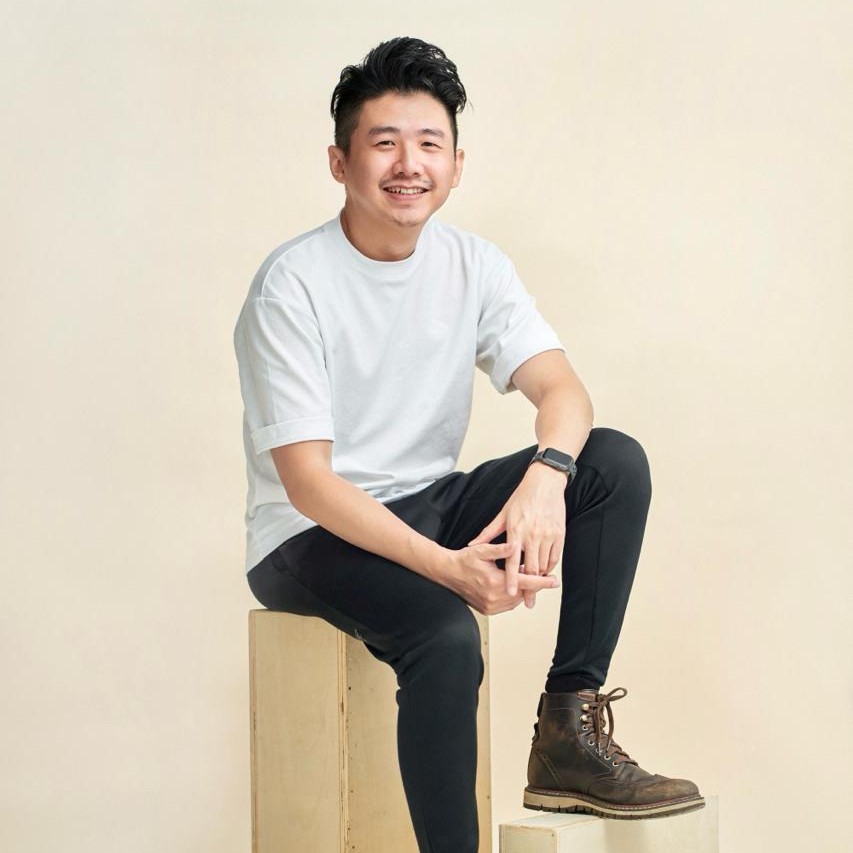
Sylvester Lim - Founder of GradePixel
I’m Sylvester, founder of GradePixel, a commercial photography and video production studio in Singapore with over 10 years of experience. I’ve worked with brands across product, food, fashion, and corporate sectors, helping businesses create clean, effective visuals that drive real results. My focus is always on practical, high-quality production that works for marketing.