
Hotel & Hospitality Interior Photography Singapore
On a booking platform, two hotels at a similar price point with similar ratings can attract very different volumes of bookings — and the photography is often the reason why. A guest deciding between two near-identical options is, in practice, choosing based on which property looks more appealing, more comfortable, and more trustworthy in its [...]
July 2, 2026 • gradepixel
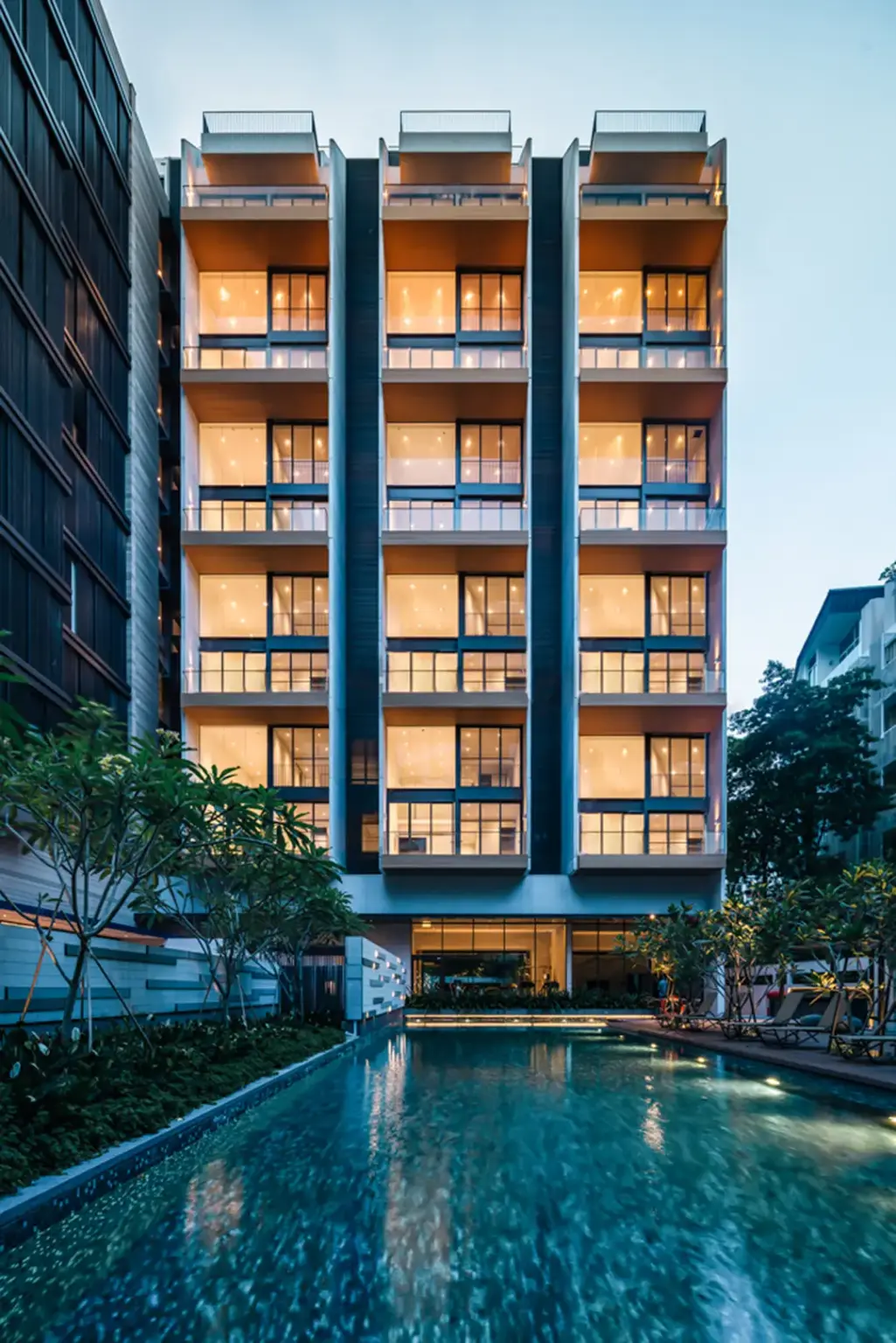
On a booking platform, two hotels at a similar price point with similar ratings can attract very different volumes of bookings — and the photography is often the reason why. A guest deciding between two near-identical options is, in practice, choosing based on which property looks more appealing, more comfortable, and more trustworthy in its photos. Hospitality interior photography isn’t just documentation — it’s one of the most direct drivers of booking decisions a property has any control over.
This guide covers what hospitality interior photography involves, what to shoot across different areas of a property, how booking platform requirements shape the brief, and how to plan a session around an operating business.
What Is Hospitality Interior Photography?
Hospitality interior photography is the photography of hotels, resorts, and serviced apartments for use on booking platforms, brand websites, and marketing materials. It covers guest rooms, common areas, amenities, and dining spaces, with the goal of accurately representing the property while conveying the experience and atmosphere of staying there.
The distinction from general real estate photography is significant. Real estate photography sells a space — a buyer or tenant is evaluating whether to occupy it long-term. Hospitality photography sells an experience — a guest is evaluating a short stay, and the images need to convey not just what the rooms look like, but what it would feel like to spend time there.
What to Shoot for a Hospitality Property
A complete hospitality photography set typically covers several distinct areas, each serving a different role in how guests evaluate a property.
Guest Rooms
Guest rooms are the core of any hospitality shoot. For properties with multiple room types — standard, deluxe, suites, and so on — each type generally needs its own set of images, since guests booking a specific room category want to see that category, not a different one.
A typical room image set includes a wide shot showing the overall layout, plus detail shots of the bed and bedding, the bathroom, and any notable amenities (a bathtub, a balcony, a workspace). For room types where a view is part of the appeal, a shot from the window or balcony showing that view is often essential.
Common Areas
The lobby, corridors, and elevators are often a guest’s first physical impression of a property — and their photos are frequently among the first a prospective guest sees when researching. A well-photographed lobby sets expectations for the overall quality and style of the property before a guest sees anything else.
Amenities
Pool, gym, spa, business centre, and any other facilities the property offers are frequently deciding factors for guests — particularly for leisure travellers comparing similar-priced options. Amenity photography should convey both the facility itself and, where relevant, the experience of using it (a pool photographed to show both the pool itself and the surrounding deck area and views, for example).
Dining and F&B Outlets
Restaurants, bars, and breakfast areas within a hospitality property often need both ambiance shots — the space itself, empty and ready — and, depending on the brief, styled food and beverage photography showing what’s actually served.
→ For guidance on photographing food and beverage specifically, the considerations are quite different from interior photography — see our Food Photography resources for that aspect of a hospitality shoot.
Exterior and Views
Building facade, pool deck, rooftop areas, and the views available from rooms or common areas are often central to a property’s appeal — particularly for resorts or properties where location and outlook are a key selling point.
Booking Platform Requirements
Major booking platforms — Booking.com, Agoda, Expedia, and similar — have specifications for image resolution and aspect ratio, and properties that don’t meet these may find their images displayed poorly or rejected outright.
Beyond technical specifications, bright and accurate colour representation is critical. Guest expectations are set directly by these images — a room that appears in photos to have warm, inviting lighting but turns out to be dimly lit or a different colour in person creates a mismatch between expectation and reality that shows up in guest reviews.
A well-optimised image set for a booking platform typically includes 4 to 6 images per room type: a wide shot, a bed detail shot, a bathroom shot, and a view shot if applicable. Properties with many room types may need to prioritise which types get the most comprehensive coverage based on booking volume or strategic importance.
Styling for Hospitality Shoots
Hospitality photography benefits from a level of staging that goes beyond what’s needed for, say, a real estate shoot of an occupied home.
Fresh linens and neatly arranged amenities. Beds should be made with crisp, unwrinkled linens; towels, amenities, and any in-room items should be arranged neatly — the goal is for every room to look as it would on a guest’s first moment of arrival, not as it might look mid-stay.
Ambient lighting turned on. Lamps, accent lighting, and any mood lighting should be on during the shoot — this adds warmth and makes spaces feel inviting rather than clinical, particularly important for evening-oriented spaces like bars and lounges.
Timing for different areas. Daytime shooting generally works best for common areas and guest rooms, where brightness and clarity are priorities. Evening or twilight timing often works better for bars, pools, and rooftop areas, where ambiance and mood are part of the appeal — the transition period after sunset, when ambient light and artificial lighting are balanced, often produces the most atmospheric results.
A “pristine and aspirational” standard. Unlike real estate photography of an occupied home, which sometimes needs to work with a degree of lived-in reality, hospitality photography generally aims for a more polished, aspirational presentation — rooms and spaces that look freshly prepared and ready for an ideal guest experience.
Shooting Around Operations
Hotels and serviced apartments are operating businesses, and photography needs to work within that reality rather than disrupting it.
Coordinating access. Shoots typically need access to vacant rooms — properties with multiple room types may need to plan around occupancy to ensure each type has at least one vacant unit available during the shoot window. Common areas often have lower-traffic periods (early morning, for example) that work well for photography without guests in the frame.
F&B outlet timing. Restaurants and bars within a property are often best photographed early in the morning before service begins, or during a gap between service periods — when the space is set up and ready but not occupied by guests.
Working efficiently. A shoot plan that sequences areas logically — moving through the property in an order that minimises backtracking and works around when different areas are accessible — helps the whole session run smoothly without requiring extended access to any single area for longer than necessary.
Planning Your Hospitality Photography Shoot
The starting point for planning a hospitality shoot is identifying priorities: which room types need the most comprehensive coverage, which amenities are central to the property’s appeal, and whether F&B spaces need empty ambiance shots, styled food photography, or both.
→ For a sense of how pricing typically works across different scopes of interior photography, see our guide on interior photography pricing in Singapore.
→ To discuss your property’s photography needs, visit our interior photography studio in Singapore.
Frequently Asked Questions
How many room types should we photograph?
Ideally, every distinct room type that guests can book should have its own image set, since guests want to see what they’re actually booking. If budget or time constraints require prioritisation, focus on the room types with the highest booking volume or strategic importance — for example, a signature suite that represents the property’s premium offering, even if it’s booked less frequently than standard rooms.
Can you shoot while the hotel is operating?
Yes — most hospitality photography takes place at operating properties. The key is coordinating access to vacant rooms and lower-traffic periods for common areas, which is a normal part of planning a hospitality shoot. Properties with on-site coordination (housekeeping confirming vacant rooms, for example) tend to have the smoothest shoot days.
Do you offer drone photography for resort properties?
Drone or aerial photography is often available as an additional service, particularly valuable for resort properties where the surrounding landscape, layout, or views from above are part of the property’s appeal. This is typically scoped separately from standard interior photography and may be subject to local regulations regarding drone operation, which should be confirmed in advance.
GradePixel is an interior photography studio in Singapore. We produce hospitality photography for hotels, resorts, and serviced apartments, alongside real estate and design portfolio photography. Contact us to discuss your property.
A title
Image Box text
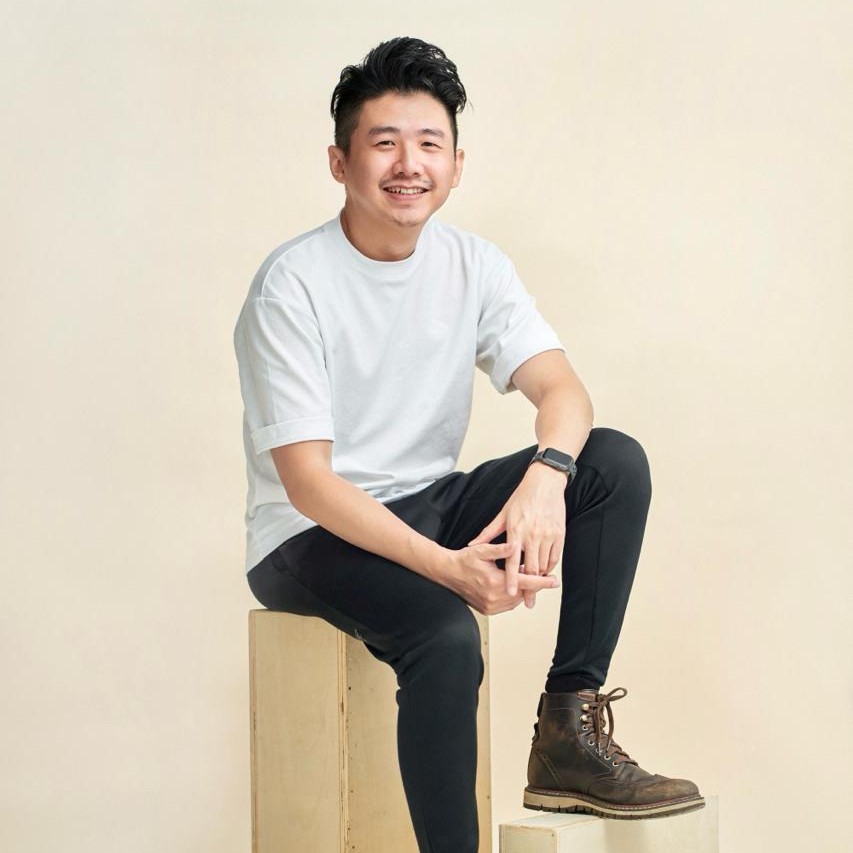
Sylvester Lim - Founder of GradePixel
I’m Sylvester, founder of GradePixel, a commercial photography and video production studio in Singapore with over 10 years of experience. I’ve worked with brands across product, food, fashion, and corporate sectors, helping businesses create clean, effective visuals that drive real results. My focus is always on practical, high-quality production that works for marketing.