
How We Create the “Seamless” Look for Singapore’s Leading E-commerce Brands
We've shot hundreds of white background product sessions for e-commerce brands across Singapore. Here's what we've learned about getting it right.
May 15, 2026 • gradepixel

Your product photo on Amazon looks clean. Simple. A product against a pure white background, nothing distracting, nothing competing.
That simplicity is deceptive. Getting a seamless white background right is one of the hardest shots in product photography. More challenging than complex lighting setups. More finicky than unusual angles. More critical to your e-commerce success than most sellers realise.
And it’s almost never executed well outside of professional studios.
The problem: a white background that looks “white” to your eye doesn’t photograph white. It photographs dingy, yellowish, or overexposed. Paper backdrops wrinkle and cast shadows. Lighting to pure white without washing out your product is a constant tension. Post-production cleanup takes hours per image if the shoot wasn’t executed perfectly.
This matters because your product listing on Amazon or Lazada lives or dies on the first image. A clean, professional white background shot converts better than anything else. A poorly executed white background kills conversion.
We’ve shot hundreds of white background product sessions for e-commerce brands across Singapore. Here’s what we’ve learned about getting it right.
Why Seamless White Backgrounds Matter for E-commerce
Let’s be direct: your first product image on Amazon or Lazada is make-or-break.
Customers scroll through search results, and they see thumbnails. Your product needs to pop immediately—and on a white background, nothing competes with the product. No distracting environment. No busy scene. Just the product, clean, professional, easy to understand.
The statistics matter:
- Products photographed against seamless white backgrounds have higher click-through rates
- Customers can see product detail clearly (shape, size, finish, texture)
- The professionalism signals quality—a well-lit white background photo says “this brand is serious”
- Conversion rates improve measurably when your first photo is professional white background work
Sellers using phone photos or poorly lit white backgrounds lose sales to competitors with professional product photography.
That’s not opinion. That’s marketplace reality.
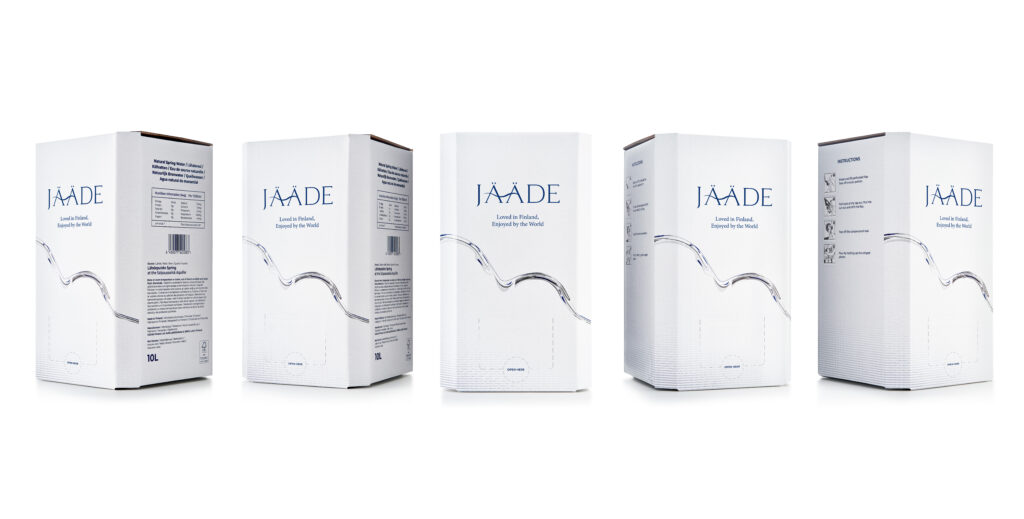
The Triple Challenge: Why White Backgrounds Are So Difficult
Getting seamless white right requires solving three interconnected problems simultaneously.
Problem 1: Backdrop Imperfections
Paper backdrops are the standard because they’re affordable and replaceable. But paper wrinkles. It creases. It has texture. Under studio lights, every imperfection becomes visible—wrinkles cast tiny shadows, creases become lines, texture becomes grainy.
Most DIY approaches ignore this. They tape up a roll of white paper, shoot, and wonder why the background looks textured instead of seamless.
We manage this by:
- Using quality paper (heavier gauge resists wrinkles)
- Hanging it properly (supported so it naturally extends without tension)
- Angling it so shadows from wrinkles don’t photograph (lighting angle matters)
- Replacing sections as needed—a small crease means a 2-foot section gets replaced
It sounds tedious because it is. But seamless means seamless. No shortcuts.
Problem 2: “White” Doesn’t Photograph White
Paper isn’t pure white. It’s off-white, slightly warm, or has a slight colour cast. Under tungsten lights, white paper photographs yellow. Under daylight, it photographs blue. The white backdrop you see with your eye is not the white your camera captures.
Getting white to photograph as true, pure white requires specific lighting.
You can’t just flood white light onto white paper. You need:
- The right colour temperature (matching your camera’s white balance)
- Careful exposure (bright enough to read as white, but not so bright it overexposes and loses detail)
- Separation between the product and background lighting (so the product light doesn’t also expose the background)
- Light positioning that avoids harsh shadows (which make the backdrop look grey instead of white)
This is where most DIY attempts fail. A single light source pointed at white paper creates shadows. Overexposure to compensate washes out product detail. Wrong colour temperature and the background photographs dingy.

Problem 3: Overexposure vs. Product Detail
Here’s the core tension: to make the white background look pure white, you need significant exposure. But that same exposure can wash out product detail—especially on lighter-coloured products.
A white or cream-coloured product on a white background requires precise lighting and exposure management. You need the background bright white while the product retains texture and detail. If the product overexposes, it blends into the background and loses definition.
We solve this by:
- Using separate lighting for the background (distinct from product lighting)
- Precise exposure metering on the product (not the background)
- Reflector placement that fills the product without overexposing
- Sometimes using light shields to protect the product light from hitting the background
The result: a pure white background with a clearly-defined product that retains all texture and detail.
The Lighting and Backdrop Workflow
Here’s our actual approach to white background work:
Step 1: Backdrop setup and light isolation.
Paper is hung with support on both sides to prevent drooping and creasing. We light the backdrop separately from the product. This separation is essential—background lighting doesn’t contaminate product lighting, and vice versa.
Step 2: Product lighting (key, fill, and control).
A directional key light defines the product. Reflectors fill shadows without overexposure. Flags and shields control light spill onto the background.
Step 3: Background exposure and separation.
Once product lighting is set, we adjust background exposure independently. Bright enough to register as pure white, but not so bright that it reflects back onto the product or creates halation (light halo around edges).
Step 4: Test shots and adjustments.
We shoot test frames, review on a calibrated monitor, and adjust. A wrinkle becomes visible? Adjust backdrop angle or lighting. Background reads slightly grey? Add light or adjust position. Product edge seems harsh? Soften the key or adjust reflector position.
This process takes 30–60 minutes for a single product. Scale it to 20 products and you’re looking at a full day of meticulous setup and execution.
Step 5: Post-production cleanup.
Even with perfect execution, seamless white work still requires post-production. Tiny backdrop imperfections are invisible to the eye but visible to the camera. Removing them—cleaning up wrinkles, dust, slight tone variations—is where software precision matters.
But here’s the key difference: professional white background shots require light post-production. DIY shots require hours of Photoshop cleanup because the fundamentals were wrong in-camera.
Real Examples: Why Seamless White Matters
Fashion brand, 40-piece collection for Amazon launch:
Client had DIY white background photos from a photographer friend. Result: inconsistent backgrounds (some dingy, some overexposed), varying product exposure, visible backdrop texture. Conversion was poor.
We re-shot in a single day with proper white background setup. Consistent lighting across all 40 pieces. Pure white background on every image. Product detail crisp. Same collection, professional presentation.
Result: 60% increase in click-through rate, 45% increase in conversion.
Cosmetics brand, Lazada and Shopify listings:
Small brand relying on phone photography. White background images looked amateurish—visible background texture, dingy white, harsh shadows on the product. Competing against brands with professional photography, they were losing.
One professional white background shoot (50 products). All images consistent, all backgrounds pure white, all product detail visible.
Result: Lazada visibility improved significantly. Products started appearing in search results. Sales increased accordingly.
Home goods, Amazon storefront:
Complex products (geometric items, textured surfaces) needed white backgrounds to show detail. DIY attempts had overexposed backgrounds and underexposed products. The texture detail—what should sell the product—was invisible.
Professional white background shoot with careful exposure management. The product detail that was lost in DIY photos suddenly became the selling point.

Why Seamless Matters: The ROI Conversation
Professional white background product photography costs money. A 20-image shoot might run $1,500–2,500 depending on product complexity.
But consider the return:
- Better conversion rates (studies show 30–60% improvement)
- Competitive visibility (your listings look professional against competitors)
- Reusable content (white background photos work across Amazon, Lazada, Shopify, your website, marketing)
- Longevity (these photos work for 12+ months)
A $2,000 investment that improves conversion by 40% pays for itself on the first week of decent sales volume.
That’s not cost. That’s ROI.
Ready to Get White Background Photos Right?
If you’re selling on Amazon, Lazada, or Shopify and your product photos are holding you back, seamless white background photography is the most impactful investment you can make.
We’ve mastered the technical challenges—backdrop management, exposure precision, colour accuracy, post-production cleanup. We shoot dozens of e-commerce brands across Singapore, and we know exactly what works in your listings.
Ready to get white background photos right? Let’s talk about your product and how professional photography can improve your e-commerce conversion.

A title
Image Box text
Sylvester Lim - Founder of GradePixel
I’m Sylvester, founder of GradePixel, a commercial photography and video production studio in Singapore with over 10 years of experience. I’ve worked with brands across product, food, fashion, and corporate sectors, helping businesses create clean, effective visuals that drive real results. My focus is always on practical, high-quality production that works for marketing.