
Real Estate Photography Singapore: For Property Developers and Interior Designers
Real estate photography is the professional photography of residential and commercial properties for sale or rental marketing. It focuses on presenting spaces at their genuine best through controlled lighting, accurate angles, and post-production — producing images for property portals, agency websites, and marketing materials that drive click-through rates and booking viewings. In Singapore’s property market, [...]
July 2, 2026 • gradepixel
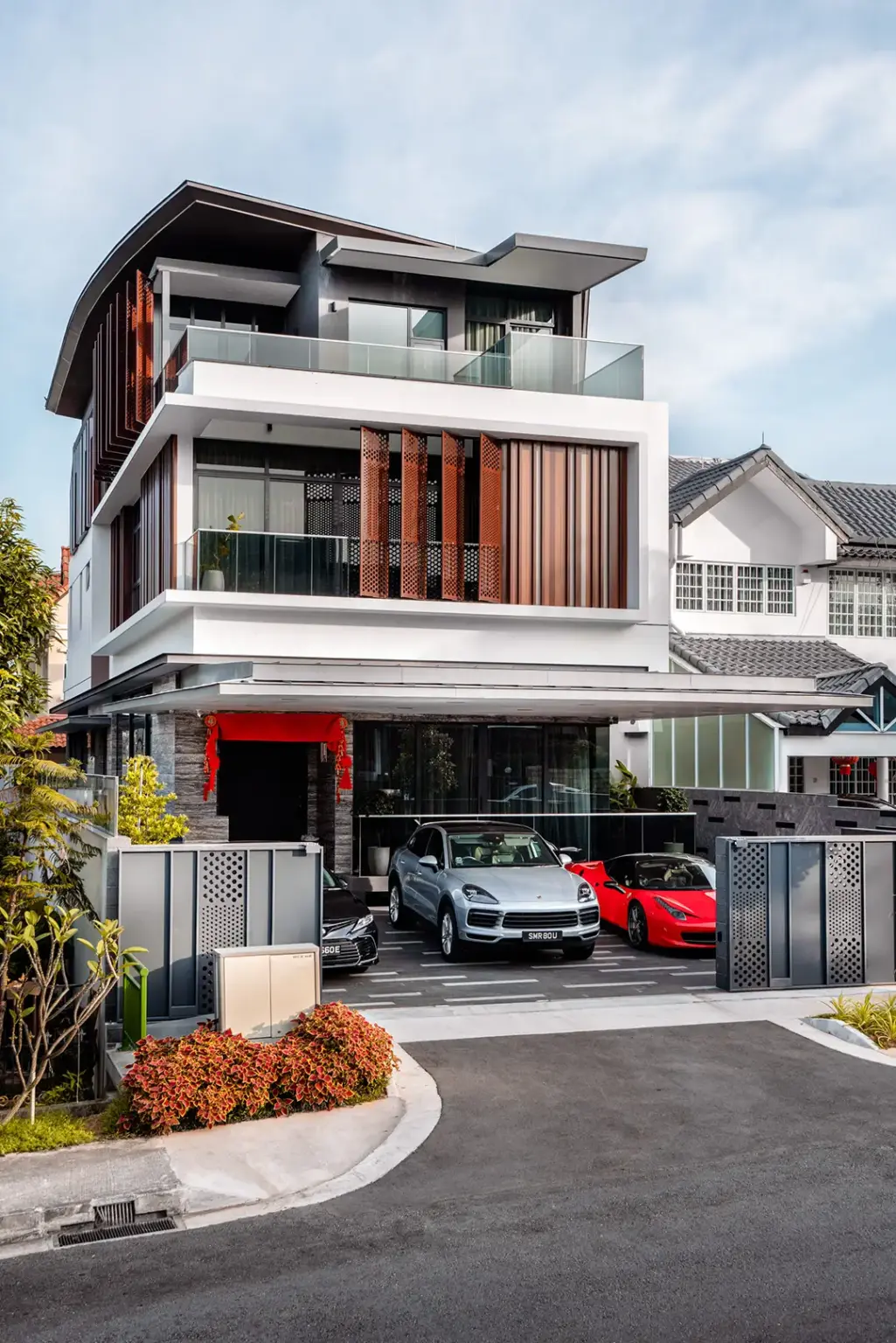
Real estate photography is the professional photography of residential and commercial properties for sale or rental marketing. It focuses on presenting spaces at their genuine best through controlled lighting, accurate angles, and post-production — producing images for property portals, agency websites, and marketing materials that drive click-through rates and booking viewings.
In Singapore’s property market, almost every transaction begins online. A buyer browsing a portal, a tenant comparing rental listings, an investor scanning commercial spaces — in every case, the photographs determine whether someone clicks through to learn more or scrolls past to the next listing. This guide covers what a real estate photography session involves, how to prepare a property, what to look for in a photographer, and the questions property developers and interior designers ask most often.
Why Photography Quality Matters for Developers and Interior Designers
The connection between photo quality and listing performance isn’t subtle. Listings with professional photography consistently receive significantly more views and enquiries on property portals than listings with poor-quality images. On platforms where buyers scroll through dozens of comparable properties, the photograph is often the only differentiating factor in whether someone stops or keeps scrolling.
It works the other way too. Dark images, cluttered rooms, and distorted wide-angle shots don’t just fail to help a listing — they actively work against it. A room that looks small, dark, or awkwardly shaped in photos creates a first impression that’s difficult to recover from, even if the viewer eventually decides to arrange a viewing. The photography doesn’t just represent the property; in many cases it determines whether the property ever gets seen.
The goal of real estate photography is not flattery. It’s accuracy at its best — showing a space as it genuinely is when well-prepared, well-lit, and viewed from the right angle. For a fuller picture of what distinguishes strong interior photography across different property types, our guide to interior photography in Singapore covers the technical and creative considerations in depth.
What a Real Estate Photography Session Covers
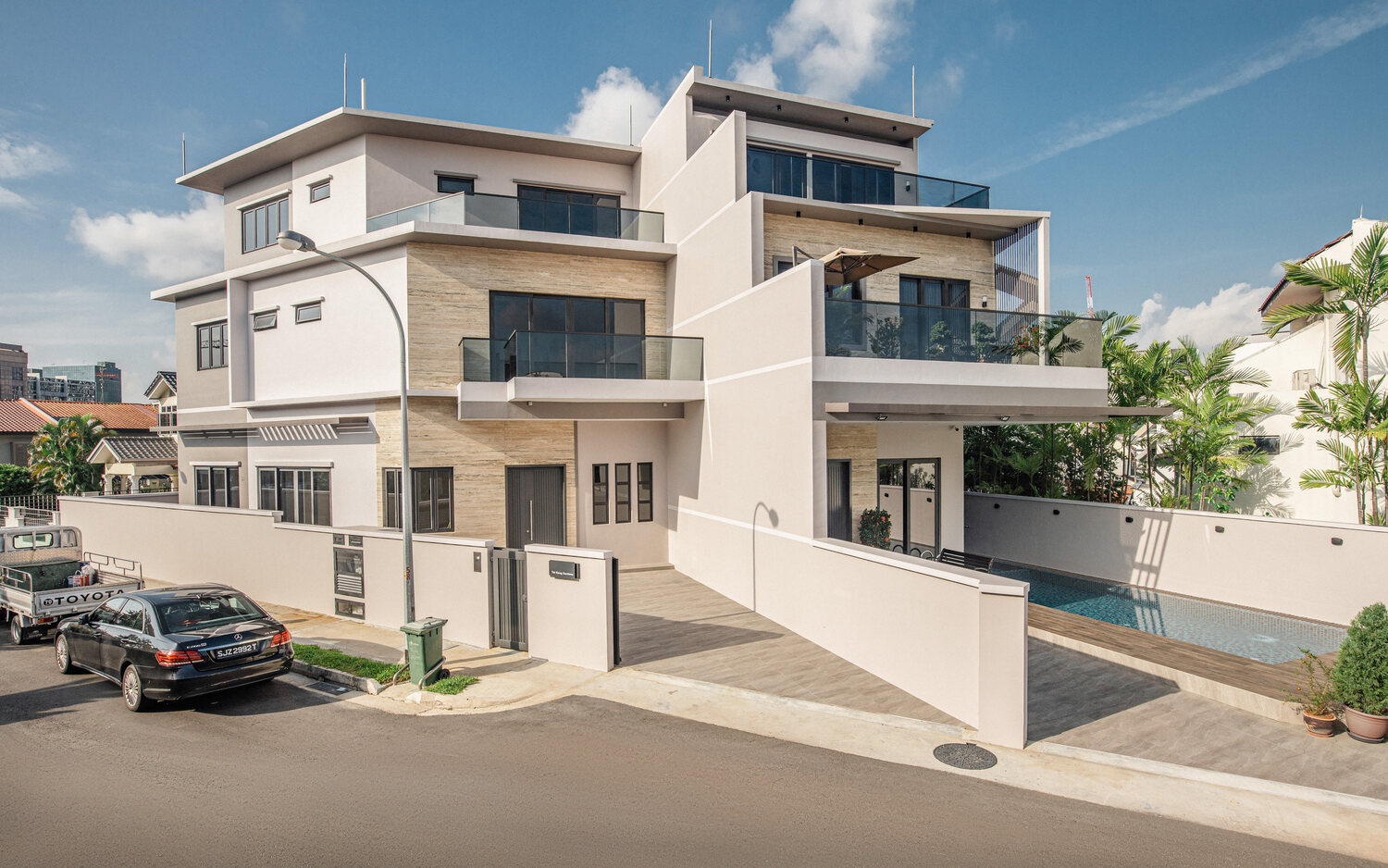
A professional session typically delivers images across several categories, each serving a distinct purpose in the final listing. What’s included depends on the property type, size, and scope agreed before the shoot — but most residential and commercial sessions follow a consistent structure.
Wide-Angle Room Coverage
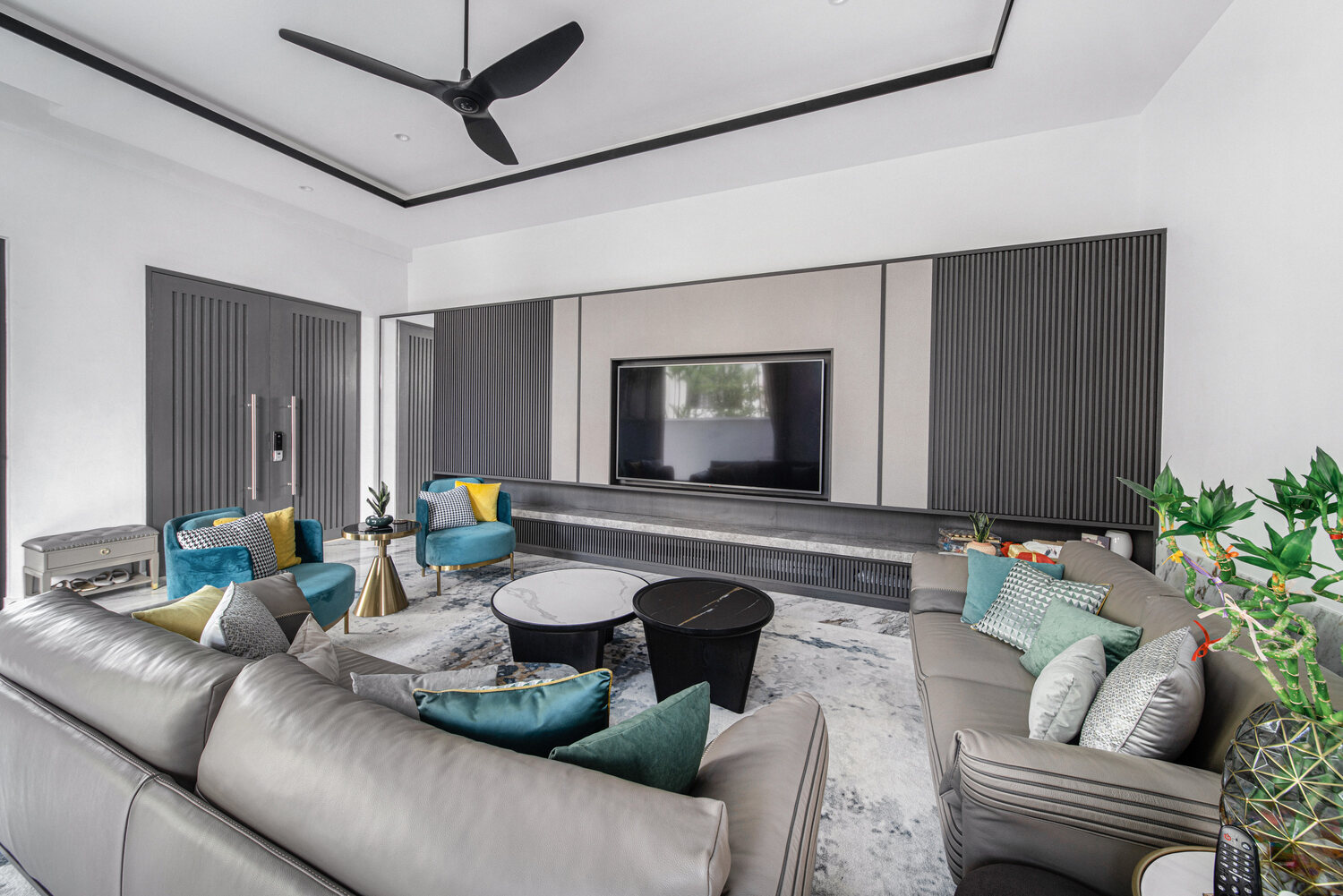
The core of any real estate shoot. Every room is photographed from the angle that best communicates its size, layout, and flow — typically a corner position that shows the full room rather than one wall at a time. For property portals, buyers use these images to understand whether the space will work for them before deciding to view in person.
Detail Shots of Standout Features
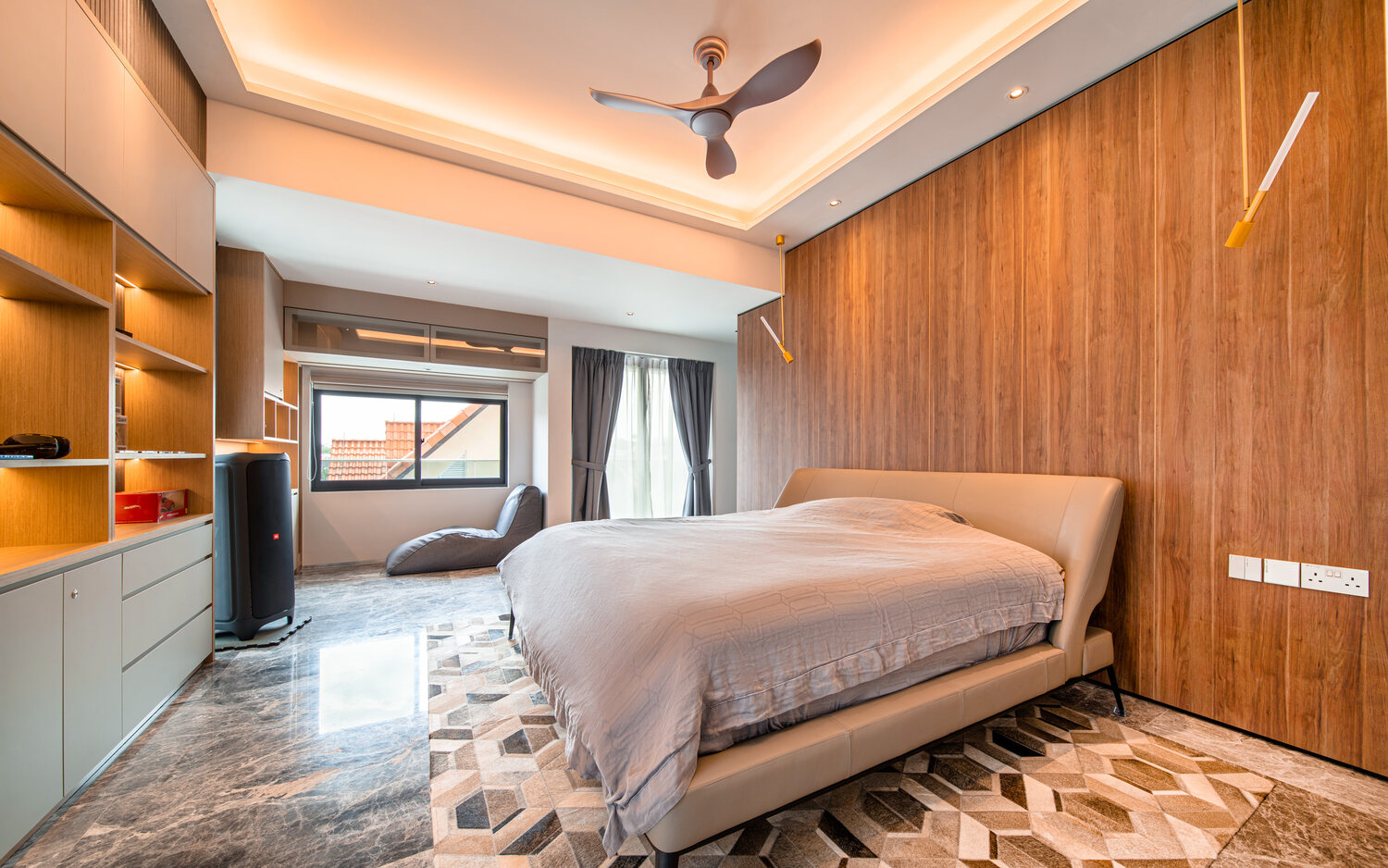
Kitchens, bathrooms, balconies, high ceilings, built-in storage, views, and any other feature that differentiates the listing from comparable properties. These are the images that tend to stick in a buyer’s or tenant’s mind after scrolling — the specific detail that moves a property from the consideration set to the shortlist.
Exterior and Facade Images
For landed properties, shophouses, or standalone commercial buildings, exterior shots establish the property’s presence and streetscape context. For condominium listings, facade images may extend to building amenities — pool, gym, landscaped areas — particularly if these form part of the property’s appeal and price point.
Twilight Photography
Shot during the brief window after sunset when ambient sky light remains but interior and exterior lighting is on, twilight photography produces striking, premium-feeling images that are difficult to achieve at any other time of day. This is typically available as an add-on for listings where aspirational presentation is part of the marketing strategy — high-end residential, commercial properties competing on brand identity, or new developments.
Post-Production: Perspective Correction and Exposure Blending
Every professional real estate image goes through post-production before delivery. Perspective correction straightens the vertical lines of walls and doorframes that wide-angle lenses naturally distort. Exposure blending — or HDR compositing — balances the brightness difference between window views and interior lighting, so neither burns out nor goes dark in the final image. Colour correction ensures the images are accurate and consistent across the set. The quality of this post-production work is often what separates acceptable listing photos from genuinely strong ones.
How to Prepare a Property Before the Photographer Arrives
What happens before the photographer arrives has a direct and often underestimated impact on the final images. A well-prepared property photographs significantly better than an unprepared one — and preparation is entirely within the control of the agent or owner.
Decluttering is the single most effective step. Remove excess items from surfaces, put away personal items that are specific to current occupants, and manage visible cables and cords. A decluttered space photographs as larger, cleaner, and more universally appealing — buyers and tenants need to imagine their own belongings in the space, which is harder when it’s full of someone else’s. For a comprehensive walkthrough of preparation steps and interior styling principles that improve how spaces photograph, the interior photography tips guide covers these in detail.
Cleaning matters more than it might seem. Windows, mirrors, countertops, and floors all show clearly in wide-angle shots. Smudges, dust, and marks that go unnoticed in everyday use become noticeable in well-lit photographs, particularly where bright strobes or flashes are used. Kitchens and bathrooms benefit most from a thorough clean before a shoot.
Lighting management on the day makes a material difference. Open curtains and blinds to let in natural light, and turn on all interior lights — including lamps and accent lighting — to add warmth and prevent spaces from looking flat. The combination of natural and artificial light, balanced in post-production, generally produces the most inviting results.
For exterior shoots, clear driveways and parking areas so the property’s entrance is fully visible. For landed homes with gardens or landscaped areas, a tidy garden — mowed lawn, cleared paths, no visible hose or garden equipment — reads significantly better in photographs than one that shows normal day-to-day wear.
Residential vs Commercial Real Estate Photography
While the underlying technical approach is largely the same, residential and commercial property photography serve different buyers and emphasise different qualities in the space.
| Residential | Commercial | |
| Primary focus | Livability and lifestyle appeal | Functionality and space utilisation |
| Typical shots | Bedrooms, living areas, kitchen, bathrooms, views | Floor plates, common areas, facilities, layout flexibility |
| Audience | Individual buyers or tenants | Developers, investors, corporate clients |
| Tone | Warm, aspirational | Clear, professional, space-forward |
Residential photography emphasises how a space feels — warmth, light, the sense of home. Commercial photography emphasises how a space functions — layout, scale, how it could be configured for different operational uses. A photographer experienced in one discipline isn’t automatically well-suited to the other, though the core technical skills overlap significantly. When briefing a photographer, specifying the audience for the listing is as useful as describing the property itself.
How Many Photos a Listing Actually Needs
Most property portals perform best with a complete but not excessive set of images — typically 15 to 25 photographs per listing. The practical approach is to cover every room with at least one wide shot, then add two to three detail or feature shots that highlight the property’s specific selling points.
For condominium listings, including a few images of building amenities — pool, gym, function rooms — can strengthen the overall set, particularly if these facilities are part of what justifies the asking price or rental rate. For landed homes, the exterior approach and garden are often underrepresented in listing photography relative to their actual appeal to buyers.
Too few images leave viewers with unanswered questions that may prevent them from booking a viewing. Too many — particularly if they include redundant angles of the same room — dilute the impact of the strongest images and make the listing feel padded rather than comprehensive. The goal is a set that gives a buyer or tenant a complete picture of the property without unnecessary repetition.
What to Look for When Choosing a Real Estate Photographer in Singapore
Real estate photography has its own conventions — angles that work for property portals, the level of brightness buyers expect, the balance between accurate representation and aspirational presentation. A photographer with a strong general or commercial portfolio isn’t automatically experienced in these specific requirements.
Turnaround time is a practical concern that’s easy to overlook until it becomes a problem. Listings often need to go live within days of a property becoming available. Confirming the expected delivery time before booking — and whether this includes post-production or just raw files — avoids a situation where the shoot is done but the listing is delayed.
Post-production quality is the factor most agents underweight in choosing a photographer. Over-processed images — unnaturally bright, oversaturated, or with obvious HDR artefacts — look unprofessional on portal listings and may create a mismatch with reality that affects viewings. For developers and design firms working across multiple projects, consistency of style and quality across a portfolio of shoots is worth discussing explicitly with any photographer you’re evaluating. Our article on choosing an interior photographer in Singapore covers the full range of considerations, including the trade-offs between individual photographers and studios for different project types.
Frequently Asked Questions About Real Estate Photography in Singapore
How long does a real estate photography shoot take?
A typical residential apartment or condominium unit takes one to two hours, covering each room from the appropriate angles along with detail shots of standout features. Larger properties — landed homes with multiple floors, commercial spaces with several areas — take longer. A reasonable estimate for a three-bedroom apartment is 90 minutes on-site; a large landed home or commercial fitout may take three to four hours. Discussing the scope and timeline with your photographer before booking avoids scheduling conflicts on the day.
Do I need to be present during the shoot?
Not strictly, but it helps — particularly for the first shoot with a new photographer, or if there are specific features or angles you want to ensure are captured. For developers and design firms coordinating multiple projects, having a key contact available to provide access and answer questions about the space is generally sufficient. The photographer will typically walk through the space before beginning to assess the best angles and any staging adjustments needed.
Can occupied properties be photographed?
Yes. Occupied properties are common for rental listings or properties still being lived in while on the market. The preparation steps — decluttering, cleaning, managing lighting — matter more for occupied properties than vacant ones, since there’s more to manage on the day. Scheduling around the occupants’ availability is usually straightforward to coordinate with a brief lead time.
What is the difference between real estate photography and general interior photography?
Real estate photography prioritises listing performance — angles that show layout and flow, brightness levels that read well on portal thumbnails, and a complete set that answers every question a prospective buyer or tenant would have before deciding to view. General interior photography in Singapore is often more editorial or architectural in approach — emphasising aesthetic quality and design intent rather than listing utility. The two disciplines draw on the same technical skills but serve different audiences and purposes. Some photographers work comfortably across both; others specialise in one.
Do you offer twilight or drone photography for listings?
Twilight photography is available as an add-on for listings where premium presentation matters — high-end residential properties, new developments, and commercial spaces where brand identity is part of the appeal. Drone and aerial photography is particularly useful for landed properties, developments, and properties where surrounding context and views form part of the value proposition. These are typically scoped and priced separately from a standard interior shoot.
The photography is rarely the last decision in a property transaction, but it’s often the first one — and the only one a buyer or tenant makes before deciding whether to look further. GradePixel’s team produces real estate and property photography for property developers, interior designers, and commercial clients across Singapore.
Explore our interior photography services →
A title
Image Box text
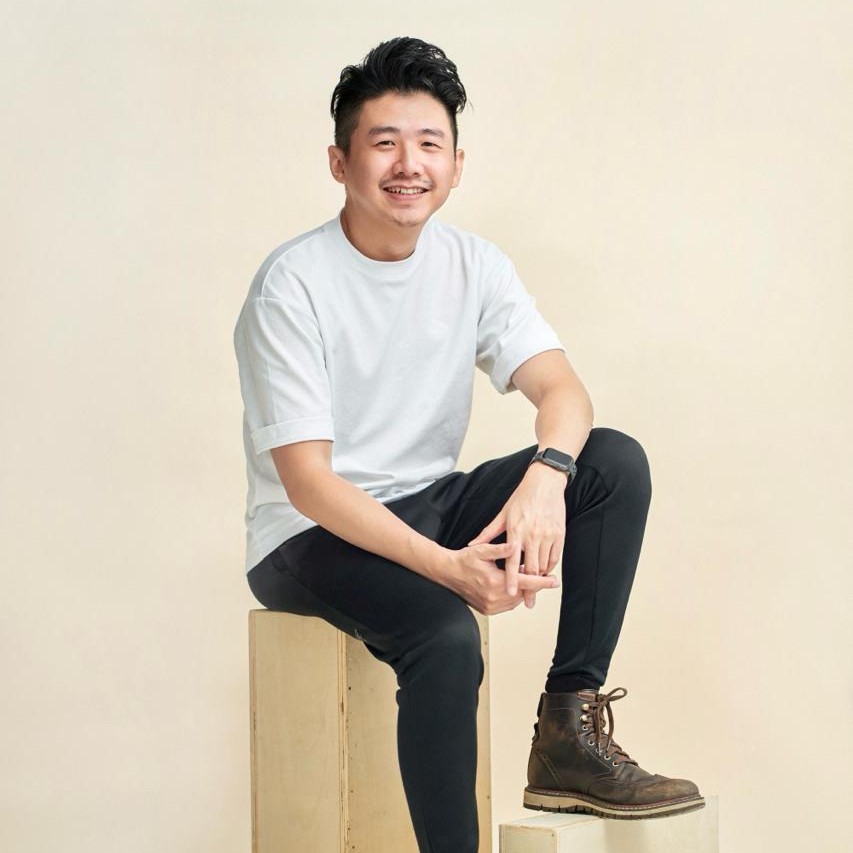
Sylvester Lim - Founder of GradePixel
I’m Sylvester, founder of GradePixel, a commercial photography and video production studio in Singapore with over 10 years of experience. I’ve worked with brands across product, food, fashion, and corporate sectors, helping businesses create clean, effective visuals that drive real results. My focus is always on practical, high-quality production that works for marketing.