
Lookbook Photography Singapore: What It Is and How to Plan Yours
A lookbook is not a product catalogue. A catalogue tells buyers what your garments are. A lookbook tells them why they should want to wear them. The difference is not just aesthetic — it is commercial. A well-executed lookbook communicates a brand’s identity, seasonal direction, and visual language in a way that no listing image [...]
June 12, 2026 • gradepixel
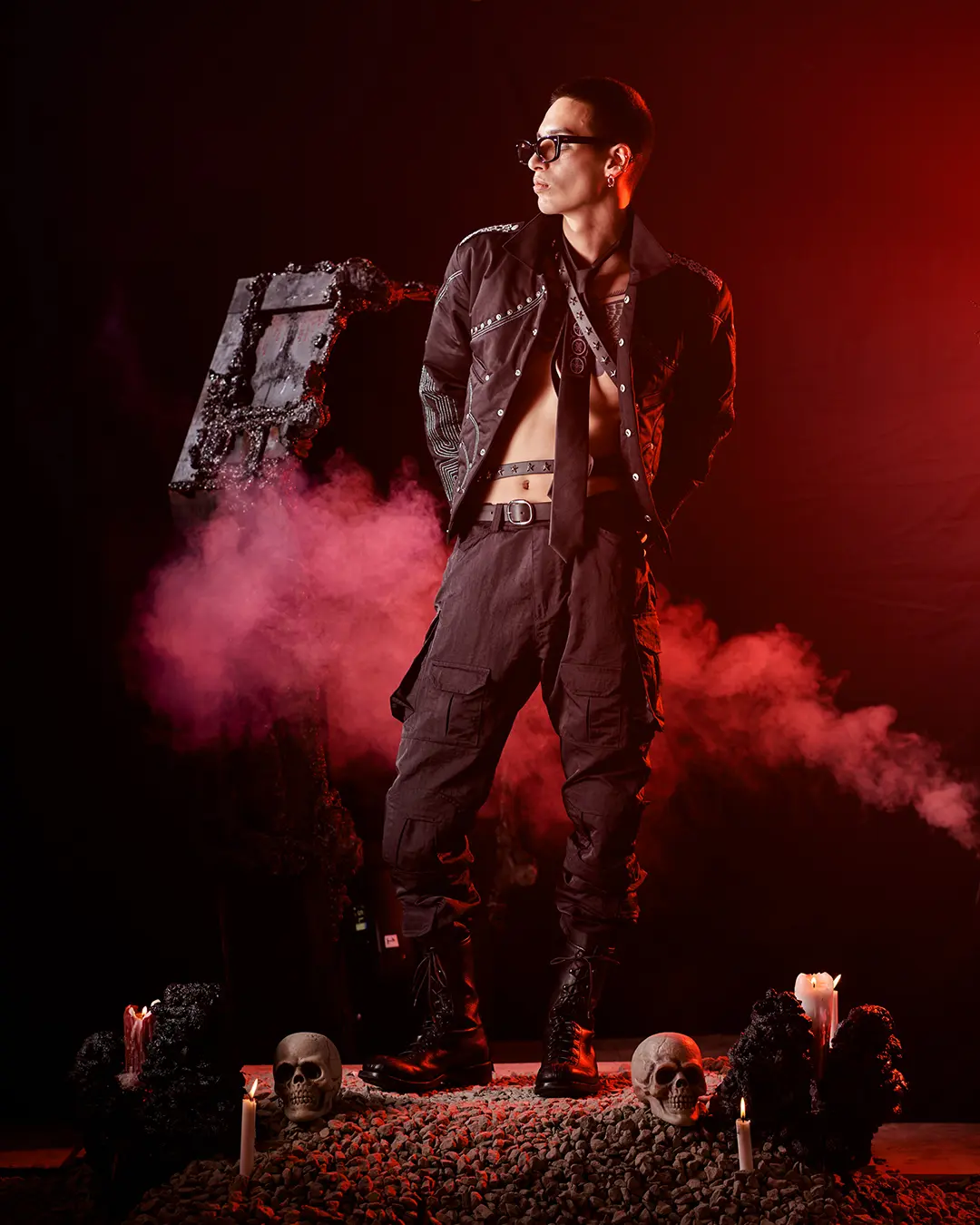
A lookbook is not a product catalogue. A catalogue tells buyers what your garments are. A lookbook tells them why they should want to wear them. The difference is not just aesthetic — it is commercial. A well-executed lookbook communicates a brand’s identity, seasonal direction, and visual language in a way that no listing image can. It is the content that turns a buyer who found you through a search result into someone who understands what your brand stands for.
This guide covers what lookbook photography involves, how it differs from editorial fashion photography, what a shoot day looks like, and how to plan a lookbook that produces images your brand can actually use across platforms and purposes.
What Is Lookbook Photography?
Lookbook photography is the creative presentation of a clothing collection through a series of styled, cohesive images — shot in studio or on-location — that communicate the brand’s aesthetic identity for a season or campaign. Unlike ecommerce catalogue photography, which prioritises clarity and consistency, lookbook photography prioritises mood, styling, and brand storytelling.
The garments are always clearly visible and commercially legible in a lookbook — a buyer should be able to identify and want the pieces they see. But the setting, the model direction, the lighting mood, and the overall visual tone are all serving a larger purpose: communicating what kind of brand this is and what kind of life wearing it represents.
Lookbook Photography vs. Editorial Fashion Photography
Lookbooks and editorial photography are the two most creatively led categories in fashion photography, and they are frequently confused. The distinction matters when briefing a shoot, because the scope, output, and commercial intent are meaningfully different.
| Lookbook Photography | Editorial Fashion Photography | |
|---|---|---|
| Primary purpose | Present a collection and drive commercial interest | Tell a creative story; build brand or cultural relevance |
| Output use | Brand website, social media, trade presentations, press kit | Magazines, branded editorial, press coverage |
| Product visibility | Garments are clearly identifiable throughout | Garments support the narrative — may not always be the focus |
| Creative direction | Brand-led — the brief comes from the brand’s visual identity | Concept-led — the creative idea shapes the brief |
| Budget range | Mid-range, scales with production scope | Typically higher — full art direction team |
| Who leads the brief | Brand’s marketing or creative team | Photographer, creative director, or editorial team |
The practical distinction: in a lookbook, the brand and collection are the subject. In editorial work, a concept or narrative is the subject and the brand’s garments support it. Both categories produce images that are significantly more expressive than catalogue photography — but they serve different commercial purposes.
What a Lookbook Shoot Involves
A lookbook shoot is a production, not just a photography session. Understanding what each stage involves helps brands plan timelines, budget accurately, and come prepared for the shoot day.
Pre-Production
Pre-production is where the quality of a lookbook is largely determined. Most of the decisions that affect the final images are made before the camera fires.
Mood board and creative brief. The photographer and the brand align on the visual direction — the colour palette, the location aesthetic, the styling mood, the model type, and the overall feeling the images should produce. Visual references (10–20 benchmark images from other brands or photographers) make this alignment faster and more precise.
Location scouting or set design. Lookbook shoots happen in a studio set, at a rented location, or at public outdoor spaces. Each requires different lead time — a studio set can be built in days; a location permit for a specific outdoor site can take weeks. Scout or confirm the location before casting is finalised.
Model and HMUA casting. Lookbook casting is more considered than catalogue casting. The model’s aesthetic, their movement quality, and how well they communicate the brand’s tone are all factors. HMUA briefing should align with the mood board — the hair and makeup direction is part of the brand’s visual expression, not an afterthought.
Shot list and look schedule. A shot list specifies every look in the collection and every image type needed for each look — hero full-length, mid-shot detail, close-up, lifestyle context. A look schedule sequences those looks to minimise change time on the day. Without a shot list, shoot days lose time to on-the-spot decision-making that should have been resolved in pre-production.
On the Day
A lookbook shoot day typically involves a photographer, stylist, HMUA, and a brand representative or art director. For larger productions, a producer manages logistics and timing so the creative team can focus on the work.
Pacing: 6–10 looks per half-day is a realistic range for a focused lookbook shoot with one location or setup. More elaborate productions — multiple setups, location changes, significant prop or set transitions — will cover fewer looks in the same time.
Selects per look: Each look typically yields 5–15 final selects, depending on the creative brief and how many angles or compositions are required. Editorial-style lookbooks tend to select fewer images per look; commercial lookbooks for wholesale or trade purposes may require more options per garment.
Keep the brief visible. The mood board and shot list should be physically present on the shoot day — printed or on a tablet. Visual references are the fastest way to resolve disagreements about direction or quality mid-shoot, and they ensure the full team is working toward the same output.
Post-Production
Post-production for a lookbook shoot involves more than retouching. It includes image selection (usually done collaboratively between photographer and brand), colour grading to match the brand’s palette and the mood board direction, skin and clothing retouching, and file export for different output formats — web, social media crop ratios, print resolution for trade materials.
Colour grading is where the lookbook’s visual identity is fully realised. The same images with different colour grades can read as completely different brands. This is a creative decision that should be part of the brief, not left to the editor’s default preference.
How to Plan Your Lookbook Shoot
Four planning decisions that determine whether a lookbook shoot runs efficiently and produces usable images.
1. Define the End Use Before Anything Else
Where will these images appear — brand website, seasonal campaign, wholesale trade presentation, Instagram, press kit? Each platform has different requirements: crop ratios, resolution, whether text overlays will be added, whether images will be used as full-bleed backgrounds or as contained product images. Knowing the end use before the shoot shapes every framing and composition decision.
2. Build a Shot List, Not Just a Mood Board
A mood board communicates feeling. A shot list communicates deliverables. Both are required. The shot list should specify: every look, every image type per look (full-length, mid-shot, detail), whether lifestyle or editorial frames are needed alongside commercial frames, and any specific angles or compositions that the brand requires. Without a shot list, the shoot day is driven by spontaneous decisions rather than a defined output target.
3. Brief with Visual References
Verbal descriptions of creative direction are imprecise. “Minimalist” means something different to every person in the room. Fifteen reference images of the look and feel you want removes that ambiguity and gives the photographer, stylist, and HMUA a shared visual target to work toward.
4. Schedule Studio Before Outdoor
If the shoot involves both studio and outdoor setups, run the studio session first. Studio work has no weather dependency — it proceeds on schedule regardless of conditions. Outdoor shooting in Singapore is subject to rain, harsh midday light, and midday heat. Scheduling outdoor work in the second half of the day gives you flexibility to extend the studio session if needed, or to adjust the outdoor schedule in response to conditions.
Studio vs. Outdoor Lookbook Shoots in Singapore
Both environments produce strong lookbook content — the choice depends on the brand’s aesthetic and the collection’s positioning.
Studio shoots give full control: consistent lighting throughout the day, no weather dependency, faster look transitions, and complete flexibility over the visual environment. GradePixel’s 3,200 sq ft studio supports multiple simultaneous setups — a clean white or grey backdrop, a textured set build, and a more lifestyle-configured environment — within the same shoot day.
Outdoor shoots in Singapore offer architectural and natural variety that is genuinely distinctive — conservation shophouses, modernist public buildings, tropical greenery, and Singapore’s harbour and waterfront all produce a visual language that a studio set cannot replicate. The practical considerations: plan for golden hour (morning or late afternoon), have a wet-weather plan, and brief the model on Singapore’s heat — styling and makeup require more management outdoors.
Most lookbook productions benefit from combining both: studio setups for precision-required looks and detail work, outdoor locations for the brand’s lifestyle and context frames.
→ To discuss your lookbook shoot requirements, visit our fashion photography studio in Singapore.
→ If your brief also includes ecommerce catalogue images, see our guide on ecommerce catalogue photography for how to combine both shoot types efficiently.
Frequently Asked Questions
How many looks can be shot in a lookbook session?
For a focused half-day lookbook shoot with one location or setup and an experienced production team, 4–8 looks is a realistic output. A full day covers 8–15 looks depending on complexity. Productions with multiple location changes, elaborate set transitions, or complex styling per look will come in at the lower end of these ranges.
What is the difference between a lookbook and a campaign shoot?
A lookbook presents a collection — it covers multiple garments across a season with cohesive styling and a consistent visual direction. A campaign shoot builds around a specific idea, message, or brand activation — there may be fewer garments, but the concept, production, and creative ambition are more developed. Campaign shoots typically have larger budgets, more elaborate production, and are designed for a specific advertising or marketing activation rather than general collection presentation.
Do I need to hire a stylist for a lookbook shoot?
For most lookbook productions, a dedicated stylist is worth the investment. The stylist’s role goes beyond clothing selection — they manage garment preparation, fit adjustments on set, accessory styling, and the dozens of small details per look that determine whether images look polished or improvised. If the brand is sending its own collection and has a strong creative direction, some brands bring an in-house styling lead. For most independent and mid-size brands, a professional stylist improves the output relative to the cost.
GradePixel is a fashion photography studio in Singapore. We produce lookbooks, editorial shoots, and seasonal campaign content for fashion brands. Get in touch to discuss your lookbook project.
A title
Image Box text
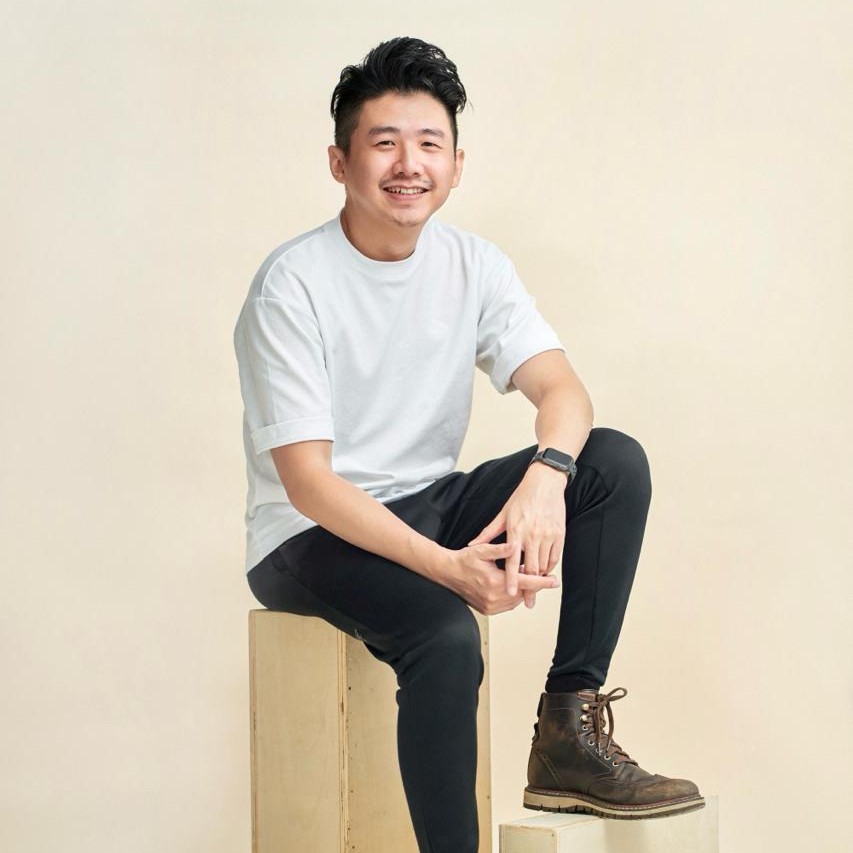
Sylvester Lim - Founder of GradePixel
I’m Sylvester, founder of GradePixel, a commercial photography and video production studio in Singapore with over 10 years of experience. I’ve worked with brands across product, food, fashion, and corporate sectors, helping businesses create clean, effective visuals that drive real results. My focus is always on practical, high-quality production that works for marketing.