
Product Photography for Year-End Sales in Singapore: How to Plan Your Shoot Before the Window Closes
Product photography for year-end sales in Singapore refers to the studio production process that e-commerce brands, FMCG companies, and retailers use to prepare their visual catalogues for the 10.10, 11.11, and 12.12 mega sale season — the most competitive selling period on Shopee and Lazada. Successful brands brief their shoots by September to ensure images [...]
September 21, 2026 • gradepixel
Product photography for year-end sales in Singapore refers to the studio production process that e-commerce brands, FMCG companies, and retailers use to prepare their visual catalogues for the 10.10, 11.11, and 12.12 mega sale season — the most competitive selling period on Shopee and Lazada. Successful brands brief their shoots by September to ensure images are reviewed, edited, and platform-ready before the campaign launch window.
Why the Year-End Window Demands a Different Level of Preparation
Shoot season for year-end mega sales in Singapore does not start in October. By the time 11.11 is three weeks away, every brief worth taking is already confirmed, booked, and in post-production. Brands that treat their product photography as something to sort out in the final weeks before 11.11 are not late — they are out of the race entirely.
The dynamic driving this is straightforward. Shopee and Lazada’s top-performing sellers refresh their product listings entirely for the year-end period, not just their campaign banners. Fresh hero shots, new lifestyle composites, updated A+ content, and platform-specific image sets across multiple aspect ratios — all of this requires a production schedule that works backwards from the campaign go-live date, not forwards from the day you start briefing.
For Singapore brands, the mega sale calendar runs tightly: 10.10 bleeds into 11.11 preparation, 11.11 bleeds into 12.12, and by the second week of December the post-production queue is at its longest. Studios that are fully booked turn away high-value briefs. The brands that brief early are not just being organised — they are securing access to the equipment, crew, and post-production capacity that the late briefs will be competing for.
Building Your Shoot Timeline Backwards from 11.11 and 12.12
The most useful framing for any year-end product photography brief is to start at the campaign live date and work backwards. For 11.11, if campaign assets need to be live on the platform by November 5 — which allows time for seller hub processing and Shopee/Lazada review — then final image files need to be delivered by October 29. That means post-production review should close by October 26. Which means the studio shoot needs to complete by October 18.
Working backwards from October 18 for a shoot that covers twenty or more SKUs, the brief needs to be confirmed and props or styling sourced at least ten days in advance, which puts the brief confirmation date at October 8. And if you are still deciding which SKUs to prioritise or what the campaign visual direction looks like on October 8, the brief will not be confirmed on time.
This is why the September window matters. Brands that have been through one or two year-end cycles know that the September confirmation is not bureaucratic caution — it is what separates a smooth production from a compressed, expensive rush job. The ecommerce product photography Singapore planning process is nearly identical regardless of the platform: define the SKUs, lock the visual brief, confirm the studio, and move.
Hero Shots vs. Catalogue: Knowing Which SKUs Deserve Which Treatment
Not every SKU in a year-end brief needs the same level of production investment. One of the most common mistakes we see in pre-shoot briefs is treating every product as equally important, which results in either an over-resourced shoot that blows the budget on second-tier products, or an under-resourced shoot that fails to do justice to the hero products that are actually driving revenue.
Hero SKUs — the two or three products a brand is centring its 11.11 campaign around — deserve the full treatment. Styled backgrounds, model or lifestyle context, multiple crop ratios for different platform placements, and dedicated retouching time. These are the images that appear in homepage banners, seller voucher tiles, and the first scroll of a search results page. They carry the campaign.
Catalogue SKUs — the rest of the range that needs to be live and listed correctly but is not driving the campaign creative — need clean, consistent, platform-compliant shots: pure white or light grey background, correct product orientation, adequate margin on all sides. Volume is the priority here, not creative ambition. A well-structured brief separates these two tiers explicitly, which makes scheduling and resource allocation far more efficient. The considerations around what drives scope are covered in our breakdown of product photography pricing factors in Singapore.
Platform Image Specifications That Determine Whether Your Shots Get Used
Shopee and Lazada have different primary image requirements, and both update their technical specifications periodically. The most consistent requirements across both platforms: a minimum image resolution of 1500 x 1500 pixels for main listing images, a pure white background (RGB 255, 255, 255) for the primary product image, and a maximum 10% text overlay allowance on the main image.
Where brands frequently lose time is in the crop ratio requirements for different placement types. Shopee’s homepage banner slots require a 2:1 landscape ratio. Voucher tiles are square. In-feed ads are portrait. If a brand shoots everything in a 1:1 square format for listing images and then discovers mid-campaign that the banner placement needs a 2:1 crop that does not exist in their image set, they are either commissioning emergency reshoots or running campaigns with visually compromised assets.
The fix is a simple deliverable specification in the brief. Before any shoot, confirm every placement type you intend to use across both platforms for the campaign period, list the required crop ratios, and ensure the shoot is set up to deliver all of them. This applies both to studio shots and to any AI-composite lifestyle images generated from studio captures.
Scaling SKU Output When Volume Is the Primary Challenge
High-SKU year-end briefs — where a brand needs twenty, forty, or more products shot within a compressed timeline — are where production structure matters most. The limiting factor is rarely equipment or space. It is the time required to transition between products: changing styling, adjusting lighting for different surface materials, swapping props, and reviewing shots before moving on. Every inefficiency at the product-to-product handover point multiplies across the full SKU count. Our AI product photography workflow addresses this directly by capturing the physical product once and using AI scene generation for multiple background and lifestyle variants — the studio shoot remains efficient because the product is photographed in a controlled, optimised setup, and the scene variety is handled in post.
For brands with a clean studio capture of their product, the AI layer can generate ten distinct background environments, multiple crop ratios for platform compliance, and both catalogue and lifestyle variants from a single session. This is particularly relevant for year-end briefs where a brand wants both a white-background listing image for the main Shopee slot and a lifestyle composite for their campaign banner — two outputs that would traditionally require two separate production setups.
The brief for this kind of hybrid production needs to be specific about which SKUs are going through the full AI-composite workflow versus which are receiving catalogue-only treatment. Clarity at the briefing stage is what keeps production efficient. The lifestyle photography considerations — angle choices, prop direction, environmental context — are as relevant here as in a traditional shoot, even when the lifestyle scene itself is AI-generated. Lifestyle product photography standards apply regardless of whether the background is physical or composited.
Frequently Asked Questions About Year-End Product Photography in Singapore
When should Singapore e-commerce brands book their year-end product photography?
For 11.11 campaigns, the studio brief should be confirmed by early September at the latest, with the shoot completing by mid-October. For 12.12, a brief confirmed by late October gives enough time for shoot, post-production review, and platform processing before the campaign live date. Briefs confirmed after these windows are progressively more constrained — the later the brief, the more the production timeline compresses and the more likely it is that premium studio dates are unavailable.
How many SKUs can a studio shoot in a single day for a year-end catalogue brief?
The number depends heavily on product complexity, required angles, and styling changes between products. For simple packaged goods on a consistent white background, a well-structured day can cover thirty to fifty SKUs. For products requiring individual styling, background changes, or multiple hero angles per SKU, a more realistic throughput is eight to fifteen products per day. Define your SKU list and tier them by production complexity before asking for a shoot day estimate — it produces a more accurate answer.
Do Shopee and Lazada require different product images?
Both platforms share similar technical standards for primary listing images — white background, minimum 1500px, limited text overlay. The differences emerge in campaign placement formats: each platform has distinct ratios for homepage banners, in-feed ads, and promotional tiles. If you are running simultaneous campaigns on both platforms, brief your studio to deliver all required crop ratios for both platforms as part of the initial shoot, rather than cropping after the fact from a single image size.
Can a single studio session cover both catalogue shots and lifestyle images for a year-end campaign?
Yes, but the brief needs to explicitly allocate time for both. Catalogue shots — white background, multiple angles, consistent lighting — are structured and efficient. Lifestyle shots require set changes, prop arrangement, and potentially a different lighting setup entirely. A well-structured brief separates the two into distinct shoot blocks within the day, with the simpler catalogue work often batched first. Attempting to alternate between catalogue and lifestyle setups for each SKU adds unnecessary complexity and time.
What is the risk of leaving year-end product photography until October or November?
The primary risk is losing access to the studio dates, crew, and post-production capacity you need. Top commercial photography studios in Singapore are typically fully booked for October from mid-September onwards for year-end briefs. Beyond availability, compressed timelines create quality risks: insufficient review rounds before final delivery, rushed styling decisions, and limited time to address feedback on proofs before the campaign live deadline. The cost of a late brief is usually higher than the cost of briefing early.
Make Your Year-End Campaign Brief Count
The brands that come away from 11.11 and 12.12 with the strongest visual assets are rarely the ones with the biggest budgets — they are the ones that briefed early, structured their shoot correctly, and gave themselves enough time to review and iterate before the campaign window.
At GradePixel, we run year-end product photography programmes for brands across FMCG, beauty, consumer electronics, and e-commerce — from tight catalogue briefs to full AI-assisted lifestyle composite campaigns. Explore our Product Photography services →
A title
Image Box text
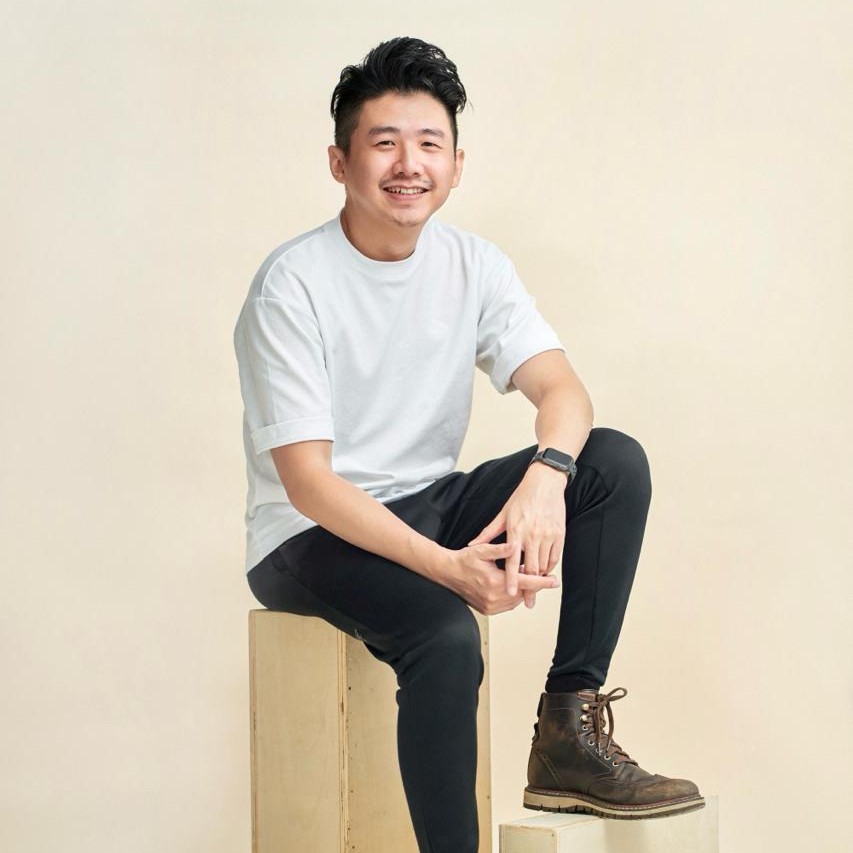
Sylvester Lim - Founder of GradePixel
I’m Sylvester, founder of GradePixel, a commercial photography and video production studio in Singapore with over 10 years of experience. I’ve worked with brands across product, food, fashion, and corporate sectors, helping businesses create clean, effective visuals that drive real results. My focus is always on practical, high-quality production that works for marketing.