
Lifestyle Product Photography: What It Is, When to Use It, and How to Plan It
Lifestyle product photography shows your product in real-world context. Learn the different styles, when to use them, and how to plan a lifestyle shoot in Singapore
May 28, 2026 • gradepixel
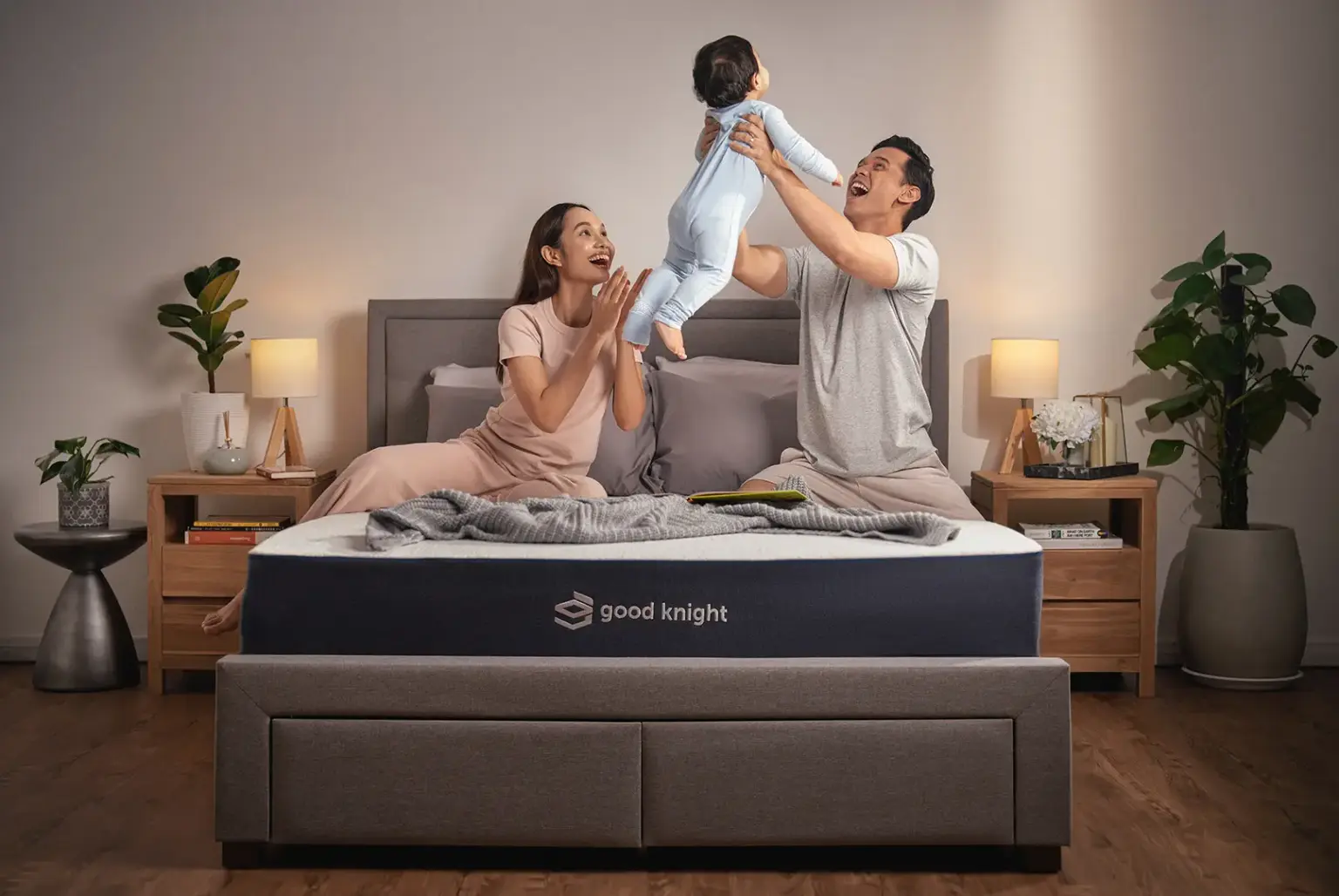
A white background shot tells a buyer what your product is. A lifestyle image tells them why they want it. Both types of product photography serve distinct functions — and brands that understand the difference between them deploy each one more effectively. This guide covers what lifestyle product photography is, the different styles available, when each one makes sense, and how to plan a shoot that delivers what you actually need.
What Is Lifestyle Product Photography?
Lifestyle product photography shows a product being used or styled within a real or simulated environment, rather than against a plain background. The goal is to connect emotionally with the buyer by placing the product in the context of a life they recognise — or aspire to.
Where catalogue photography answers the question “what is this product?”, lifestyle photography answers “how does this product fit into my life?”. That shift in perspective is what makes lifestyle imagery effective for advertising, social media, and brand building — contexts where emotional resonance matters more than technical accuracy.
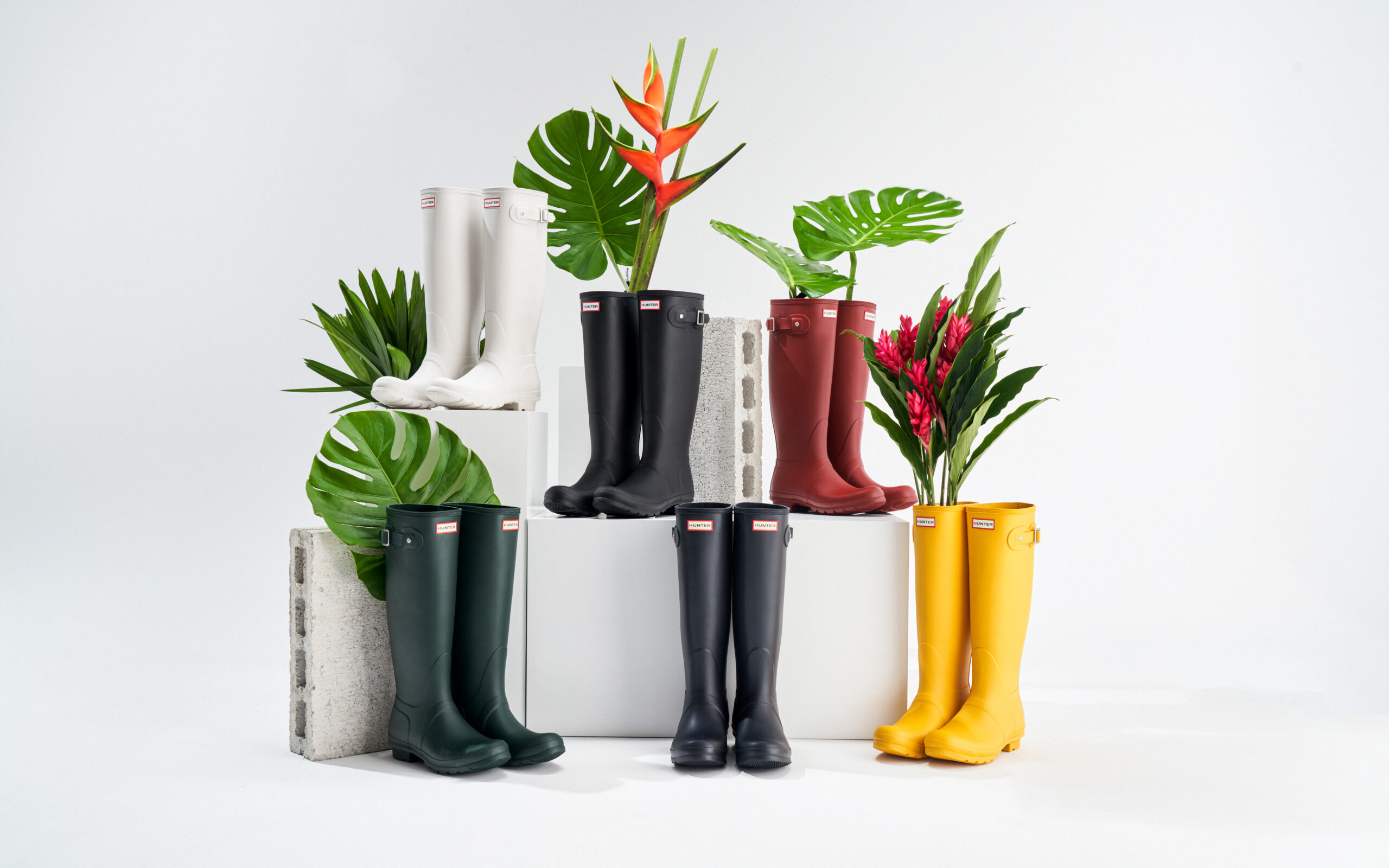
Lifestyle vs. White Background: Which Do You Need?
Most brands need both. The question is not which to choose, but which to use where.
| White Background | Lifestyle | |
|---|---|---|
| Primary purpose | Catalogue accuracy | Brand storytelling |
| Buyer question answered | “What is it?” | “Do I want this?” |
| Platform fit | Marketplace main image | Social media, ads, brand website |
| Production complexity | Lower | Higher |
| Cost per image | Lower | Higher |
| Emotional impact | Neutral | High |
The practical answer for most ecommerce brands: white background images for marketplace listings, lifestyle images for the secondary slots on those same listings, your own website, and any paid or organic social content.
→ For a full breakdown of how these fit into a complete ecommerce image set, see our guide on types of product photography.
Types of Lifestyle Product Photography
Lifestyle is not a single style — it is a category with several distinct approaches. The right one depends on your product, your audience, and where the images will be used.
In-Use Photography
The product is actively being used by a person in a natural setting. A hand applying skincare. A runner wearing a hydration pack. A chef using a kitchen tool. The model and the action are both visible.
This style works because it answers an unspoken buyer question — “does this work for someone like me?” — by showing someone like them using it. It is the most relatable and often the most effective format for conversion-focused lifestyle content.
Best for: Fitness and outdoor products, skincare and beauty, kitchen and home appliances, fashion accessories, tech wearables.
Flatlay Lifestyle Photography
Products are arranged on a styled surface — typically shot from directly above — with complementary props and a considered colour palette. No model is present. The composition does the storytelling.
Flatlay works particularly well for products that have a strong visual identity or that exist within a broader lifestyle context — a journal next to a coffee cup and reading glasses, a skincare serum surrounded by botanical ingredients, a travel kit laid out neatly before a trip.
Best for: Beauty and skincare, stationery and desk accessories, packaged food and beverage, fashion accessories, gift sets.
In-Context Photography (No Model)
The product is placed in a real or styled environment without a person present. A candle on a bathroom shelf. A coffee machine on a kitchen counter. A speaker on a living room side table. The scene implies the lifestyle without needing someone to demonstrate it.
This is often the most versatile and cost-efficient lifestyle format — it requires no model casting or coordination, and the result works across a wide range of brand contexts.
Best for: Home décor and furniture, kitchen and bathroom products, tech and electronics, packaged goods, premium F&B.
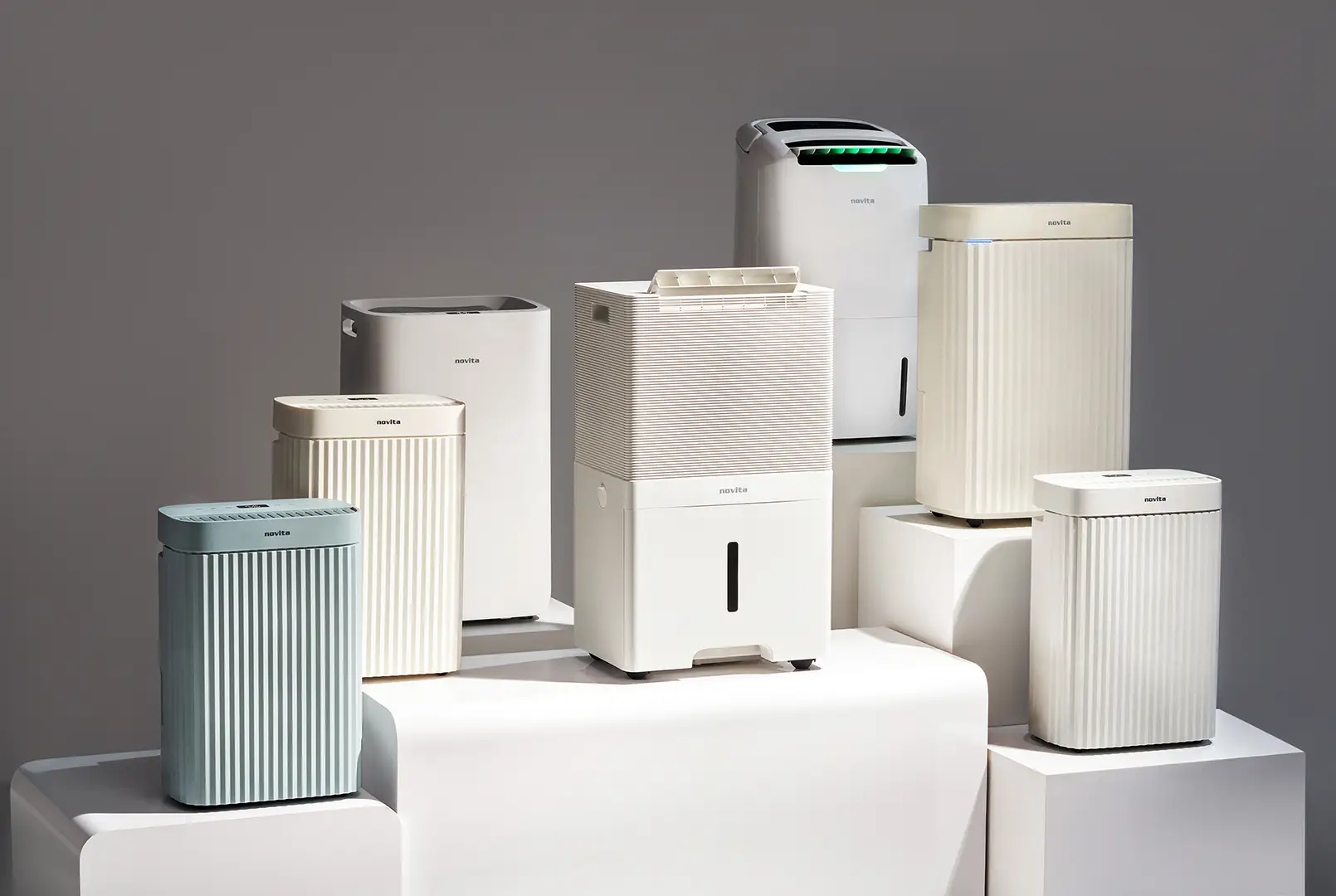
Aspirational and Campaign Photography
Full art direction. A specific narrative is constructed — a mood, a setting, a moment — and every element of the image is designed to support it. This is product photography as brand communication, not just content production.
Campaign imagery typically involves a larger team, more elaborate set design, and a higher level of post-production. The output is used in paid advertising, brand campaigns, out-of-home placements, and premium editorial contexts.
Best for: Established brands with a defined visual identity, product launches, seasonal campaigns, premium category positioning.
When to Use Lifestyle Product Photography
Lifestyle imagery earns its place in specific contexts. Here is when it makes the most impact.
Launching a product on your brand website. First impressions on a brand website are driven by lifestyle imagery, not catalogue shots. Buyers landing on your homepage or collection page respond to visual context before they read a word.
Running paid social or display advertising. Catalogue images perform poorly in ad environments — they look out of place in a social feed and do not stop the scroll. Lifestyle images, especially ones showing the product in use, consistently outperform white background shots in paid social creative.
Building secondary images for marketplace listings. Amazon, Shopee, and Lazada all allow multiple images per listing. The main image must be white background, but secondary slots are where lifestyle imagery drives the additional engagement that pushes buyers from browsing to purchasing.
Differentiating in a crowded category. When competitors are selling similar products at similar prices, visual quality and brand feel become the deciding factor. Strong lifestyle imagery signals that a brand has invested in its presentation — which buyers read as a signal of product quality and reliability.
How to Plan a Lifestyle Product Shoot
A well-planned lifestyle shoot saves time on the day and produces better results. These are the steps that matter most.
1. Define the end use first. Where will these images appear — paid ads, Instagram, a homepage hero, or a Shopee listing? The platform determines the required format, aspect ratio, and visual tone. Settle this before anything else.
2. Identify your buyer and their context. Who is the product for, and what does their life look like? A lifestyle image that resonates with the right buyer and feels irrelevant to everyone else is doing its job correctly. Brief the shoot around a specific person, not a generic audience.
3. Decide on set, location, or studio. Studio sets offer full lighting and weather control but require set building. Real locations — homes, cafes, outdoor spaces — offer authenticity but add logistics. For most product lifestyle shoots, a well-built studio set is the most reliable option.
4. Prepare a shot list and reference images. Before the shoot day, agree on every image that needs to be captured — angle, composition, prop arrangement, model direction if applicable. Visual references (mood boards, benchmark images) reduce ambiguity and decision-making time on the day.
5. Brief the photographer with usage in mind. A lifestyle image cropped for a square Instagram post needs different framing than one used as a widescreen hero banner. Share the intended usage with the studio upfront so framing decisions are made correctly in-camera, not fixed in post.
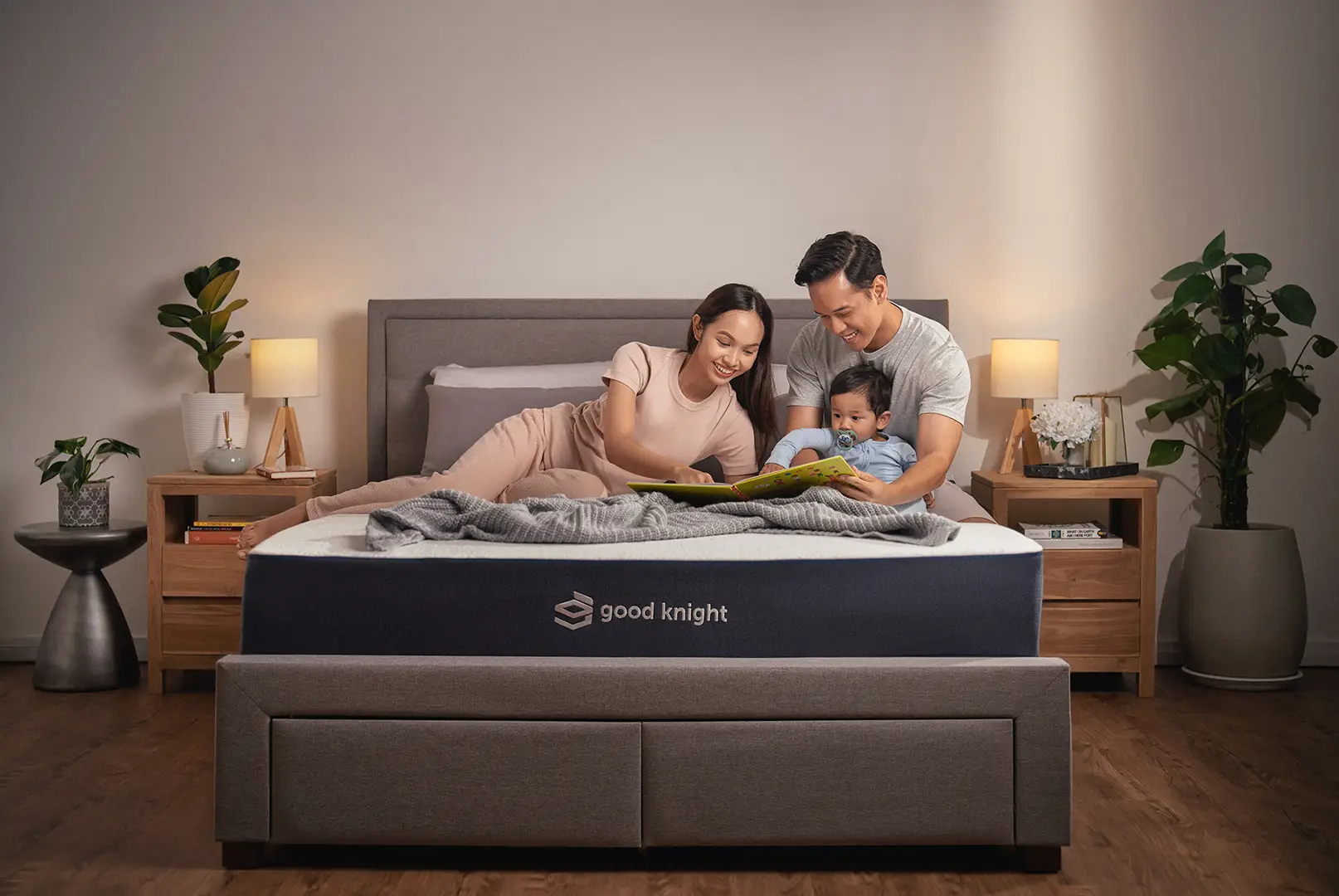
Lifestyle Product Photography in Singapore
Singapore’s market for lifestyle content is well-developed. Most product studios offer lifestyle as a standard service alongside catalogue and ecommerce shoots, and there is no shortage of experienced photographers working across categories from beauty to F&B to tech.
The practical considerations specific to Singapore: turnaround is typically fast by regional standards, most studios offer send-in options for smaller products, and outdoor lifestyle shoots are feasible year-round with the right logistics — though humidity and unpredictable rain make controlled studio sets the safer choice for most product categories.
→ See how GradePixel approaches lifestyle shoots as part of a full product photography service in Singapore at our product photography studio page.
Frequently Asked Questions
Do I need a model for lifestyle product photography?
Not always. In-context and flatlay lifestyle styles do not require a model. Whether you need one depends on the product and the story you are trying to tell — a skincare product benefits from showing someone using it, while a home décor item can be communicated clearly without a person in the frame. Discuss this with your studio during briefing.
How long does a lifestyle product shoot take?
A focused lifestyle shoot — one or two concepts with a clear brief and prepared set — can be completed in a half day. More concepts, multiple set changes, or shoots involving models and styling typically require a full studio day. Briefing quality has the biggest impact on efficiency: the clearer the brief, the less time is spent making decisions on the day.
Can I use lifestyle photos for Amazon listings?
Yes, for secondary image slots. Amazon requires the main listing image to be a pure white background shot, but all additional images can be lifestyle, infographic, or detail shots. Well-executed lifestyle images in the secondary slots improve listing engagement and conversion, particularly for categories where the product’s context and use case are not immediately obvious from the catalogue shot alone.
GradePixel is a product photography studio in Singapore. We produce lifestyle and catalogue imagery for ecommerce brands, distributors, and marketing teams. Get in touch to discuss your project.
A title
Image Box text
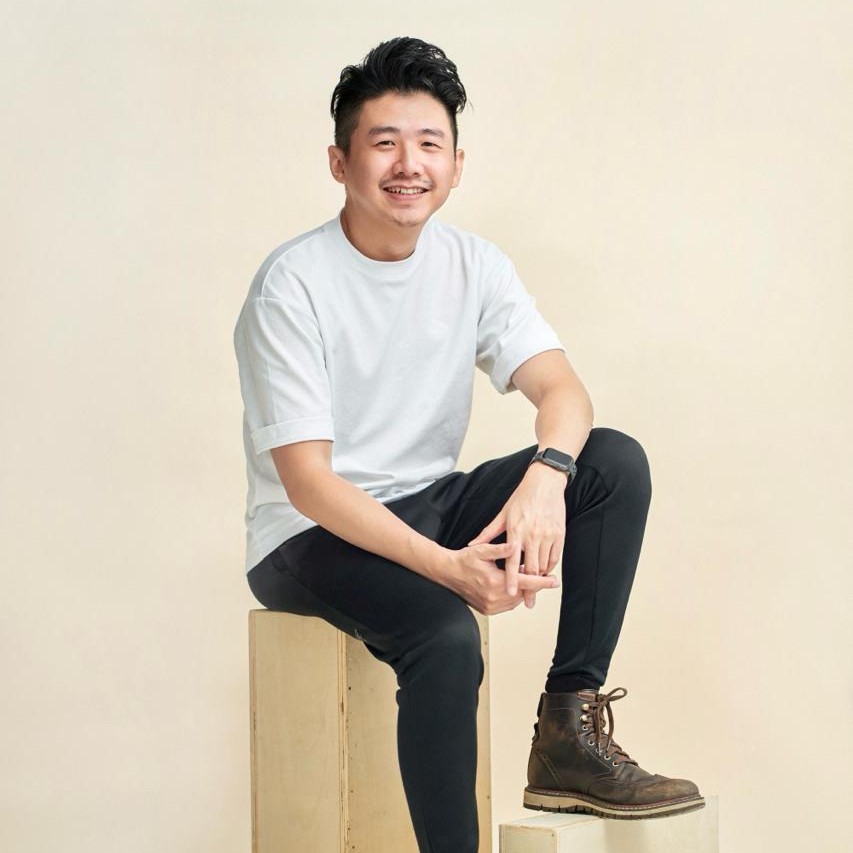
Sylvester Lim - Founder of GradePixel
I’m Sylvester, founder of GradePixel, a commercial photography and video production studio in Singapore with over 10 years of experience. I’ve worked with brands across product, food, fashion, and corporate sectors, helping businesses create clean, effective visuals that drive real results. My focus is always on practical, high-quality production that works for marketing.