
Ghost Mannequin Photography Singapore: How It Works & When to Use It
For fashion ecommerce brands managing large catalogues, shooting every garment on a live model is expensive and time-intensive. A model booking, styling preparation, and the slower pace of on-model shooting adds cost per SKU that compounds quickly across a catalogue of 100 or 200 garments. Ghost mannequin photography solves this by producing images that show [...]
June 12, 2026 • gradepixel
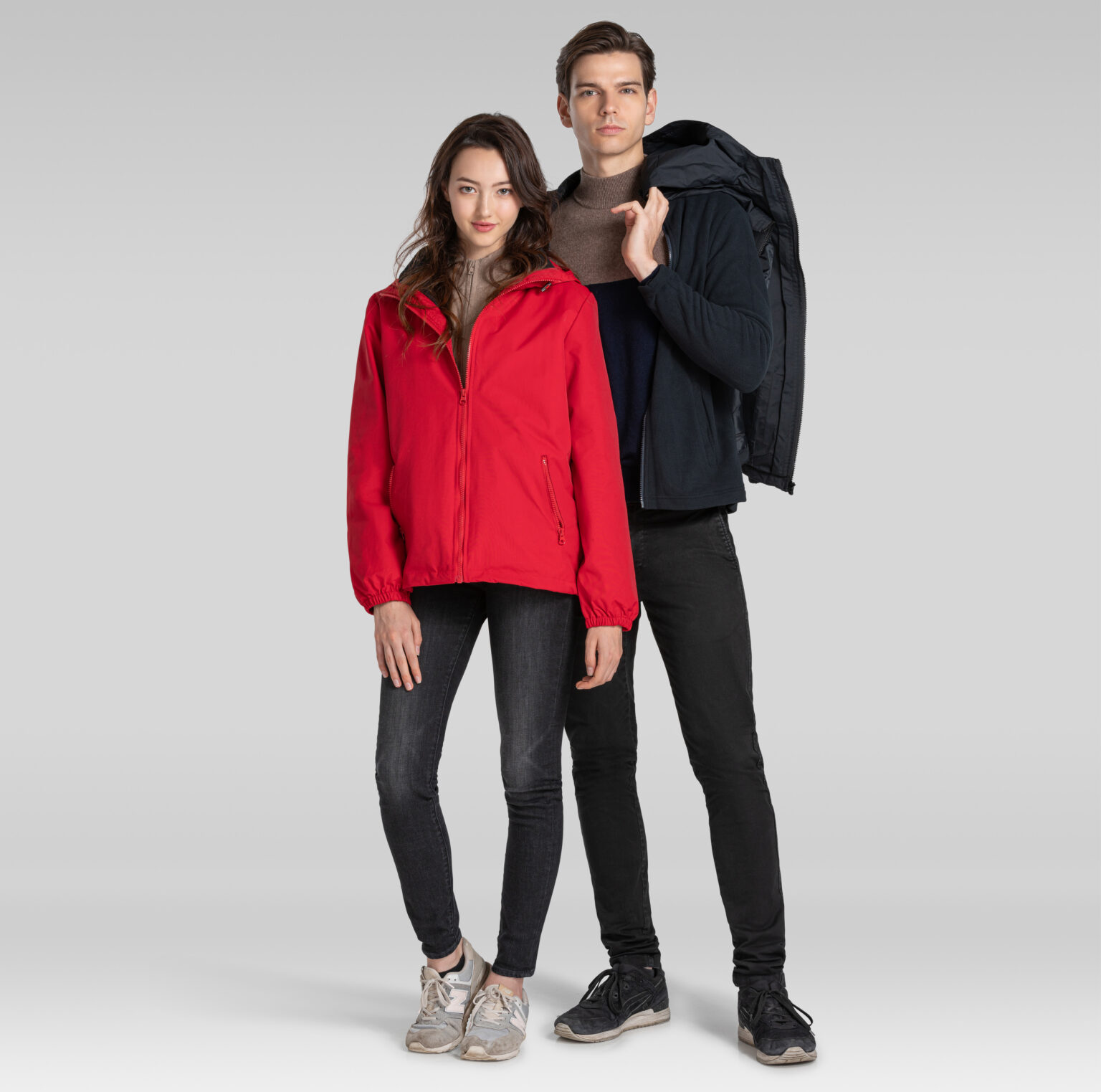
For fashion ecommerce brands managing large catalogues, shooting every garment on a live model is expensive and time-intensive. A model booking, styling preparation, and the slower pace of on-model shooting adds cost per SKU that compounds quickly across a catalogue of 100 or 200 garments. Ghost mannequin photography solves this by producing images that show clothing in its full, three-dimensional, wearable shape — without a model in the frame and without the cost associated with one.
The result is a professional, platform-ready image set that communicates garment fit and structure clearly, performs well on listing platforms, and scales efficiently for high-volume catalogues.
What Is Ghost Mannequin Photography?
Ghost mannequin photography — also called invisible mannequin photography — is a technique where clothing is photographed on a physical mannequin, and the mannequin is then removed from the image in post-production using composite editing. The final image shows the garment in a natural, three-dimensional shape that communicates how it would look when worn — without any mannequin or model visible in the frame.
The technique produces a floating, hollow garment effect that is now standard in fashion ecommerce, particularly for structured apparel categories. It gives online shoppers a clear sense of a garment’s silhouette, fit, and construction without requiring a live model for every SKU.
How Ghost Mannequin Photography Works
Ghost mannequin photography involves four distinct stages. Understanding each stage helps brands brief the process accurately and set realistic expectations for turnaround time.
Step 1: Dress the Mannequin
The garment is dressed on a physical mannequin sized to match the brand’s primary target fit — typically a size S/M for womenswear, a size M for menswear. Every visible element of the garment is prepared before shooting begins: collar lying flat, placket aligned, sleeves at the correct position, any interior detail that will be visible in the final image correctly positioned.
Mannequin preparation is where most ghost mannequin quality problems originate. A garment that is not prepared correctly on the mannequin will require more retouching in post, and some fit or structural issues cannot be corrected after the fact. Time invested in preparation before the camera fires pays back at the editing stage.
Step 2: Photograph the Exterior
The dressed mannequin is photographed on a white or neutral background from the front and back, at a consistent camera height and framing. Additional angles — side view, three-quarter — are captured for garment types where a single axis of viewing does not communicate the full silhouette.
Consistency in framing and camera height across every garment in the shoot is critical. Ghost mannequin images that vary in crop height, camera angle, or background brightness from one SKU to another produce a catalogue that looks uneven even when each individual image is technically acceptable.
Step 3: Photograph Interior Detail Views
For the ghost mannequin effect to composite correctly, separate photographs of the interior of the garment are required. Without these, the edited image will show the hollow interior as an empty void rather than a natural fabric interior.
For most structured garments, this means:
- A photograph of the interior neckline with the mannequin head removed
- A photograph of the interior sleeve openings
- For bottoms: a photograph of the waistband interior
These supplementary shots are taken with the mannequin partially disassembled or with the garment reversed on the remaining mannequin sections. An experienced ghost mannequin photographer anticipates which interior views will be required for each garment type and captures them as part of the standard shoot workflow — without needing to be reminded on a per-garment basis.
Step 4: Post-Production Compositing
The mannequin is removed in post-production and the interior detail shots are composited into the garment openings to create the illusion of a naturally shaped, hollow garment. The specific post-production steps:
- Background clean-up and standardisation
- Mannequin removal — selecting the garment from the mannequin and placing it against a clean background
- Interior composite — placing the collar, neckline, sleeve, and hem interior photographs into the garment openings
- Edge refinement — cleaning the composited edges so the transition between exterior and interior looks natural
- Shadow addition — a subtle drop shadow grounds the garment visually and prevents it from appearing to float unnaturally
- Colour correction to match the physical product
Ghost mannequin editing is more time-intensive than standard on-model retouching. The compositing work per garment is the primary reason ghost mannequin photography has a slightly higher post-production cost than a standard catalogue shoot, even though the shooting itself is faster.
Ghost Mannequin vs. On-Model Photography
Both approaches produce professional, platform-ready ecommerce images. The decision between them depends on garment type, budget, platform requirements, and brand positioning.
| Ghost Mannequin | On-Model Photography | |
|---|---|---|
| Cost per SKU | Lower — no model booking | Higher |
| Shooting time per SKU | Faster once set up | Slower — model direction required |
| Garment fit shown | 3D shape without body proportion context | Full context — how it fits a body |
| Best garment types | Structured outerwear, jackets, bottoms | All garment types; essential for activewear |
| Platform fit | Strong on Shopee, Lazada, wholesale catalogues | Strong on Zalora, brand websites |
| Post-production time | Higher — compositing required | Standard retouching only |
| Brand positioning | Functional, catalogue-style | Aspirational, lifestyle-capable |
The practical decision for most fashion ecommerce brands is not either/or. Ghost mannequin for the bulk of the structured garment catalogue. On-model for hero SKUs, premium pieces, and any garment where how it looks on a body is the primary purchase consideration.
Which Garment Types Work Best for Ghost Mannequin?
Ghost mannequin photography is not equally effective for every garment category. Understanding where it works and where it does not prevents mis-briefs and wasted shoot days.
Works very well:
- Outerwear — jackets, coats, blazers. Structured garments hold their shape on a mannequin without a body inside
- Structured dresses — woven fabrics with clear silhouettes
- Trousers, jeans, and structured skirts — shape is clearly communicated without a body
- Formal shirts and blouses — construction and detail are visible at every angle
- Swimwear — structured swimwear holds shape well; ghost mannequin is a common format for beachwear catalogues
Works moderately:
- Knitwear — relaxed knits can sag on a mannequin. Using a well-padded mannequin and careful garment preparation improves results significantly
- Casual unstructured tops — jersey and cotton basics can work but require more preparation time on the mannequin
Less effective or not recommended:
- Fluid drape fabrics — silk, satin, chiffon, and crepe communicate their character through movement and body contact. On a mannequin, they often appear flat and lifeless
- Sheer and delicate fabrics — the mannequin is visible through sheer materials, creating compositing complexity
- Activewear — performance intent requires movement and body context. Ghost mannequin is not the right format for compression tights, sports bras, or technical performance gear
- Lingerie and nightwear — these categories benefit strongly from on-model photography for both fit communication and brand positioning
Ghost Mannequin Photography for Singapore Ecommerce
Ghost mannequin photography is well-suited to Singapore’s primary fashion ecommerce platforms. Shopee and Lazada’s listing environments reward clean, bright, consistent images — and ghost mannequin produces exactly this at volume.
For brands managing catalogues of 50 or more structured garments and wanting professional-quality listing images across all SKUs without a full model booking for every session, ghost mannequin is the most cost-efficient format that meets platform requirements without compromising on image quality.
GradePixel offers ghost mannequin photography as a standard service alongside on-model catalogue shoots. For brands with mixed catalogues — some garments suited to ghost mannequin, others requiring on-model — both approaches can be combined in the same session, with clear output consistency across the full batch.
→ For a full guide to ecommerce fashion photography options and platform requirements, see our article on ecommerce fashion photography Singapore.
→ To discuss ghost mannequin photography for your catalogue, visit our fashion photography studio in Singapore.
Ghost Mannequin Photography Pricing
Ghost mannequin photography is typically priced per garment or per session, with post-production compositing either included in the base rate or quoted separately. For a detailed breakdown of what affects pricing and what to expect in Singapore, see our guide on fashion photography pricing Singapore.
Frequently Asked Questions
How much does ghost mannequin photography cost in Singapore?
Ghost mannequin photography is typically priced per garment or per session, with the compositing work factored into the rate. The per-SKU cost is generally lower than on-model catalogue photography because there is no model booking fee, but the post-production time is higher. For accurate pricing based on your catalogue size and garment types, request a quote with your specific brief.
What size mannequin should I use for ghost mannequin photography?
The mannequin should match the brand’s primary fit size — typically a size S or size 8/10 for womenswear, size M for menswear. Using the correct size ensures the garment is shown in the fit it was designed for, rather than an under- or over-filled shape. Adjustable mannequins that accommodate different measurements are useful for brands with a wide size range.
Can ghost mannequin photography work for all clothing types?
No. Ghost mannequin works best for structured garments that hold their shape without a body — outerwear, structured dresses, bottoms, and formal shirts. It is less effective for fluid drape fabrics, sheer materials, and activewear, where the garment’s properties depend on contact with a body. Confirm with your studio whether your specific garment types are suitable before booking a ghost mannequin session.
How long does ghost mannequin editing take?
Post-production for ghost mannequin compositing takes longer than standard catalogue retouching because each image requires a composite of two or more shots. Typical turnaround from a ghost mannequin shoot is 5–10 business days for a standard catalogue batch, depending on volume and the complexity of the compositing required. Rush turnaround is available from most professional studios at a premium.
GradePixel produces ghost mannequin photography for fashion ecommerce brands in Singapore, alongside on-model catalogue and lookbook services. Contact us to discuss your catalogue requirements.
A title
Image Box text
Sylvester Lim - Founder of GradePixel
I’m Sylvester, founder of GradePixel, a commercial photography and video production studio in Singapore with over 10 years of experience. I’ve worked with brands across product, food, fashion, and corporate sectors, helping businesses create clean, effective visuals that drive real results. My focus is always on practical, high-quality production that works for marketing.