
What Is Product Photography? Types, Styles & Why It Matters
Learn what product photography is, the different types (white background, lifestyle, ecommerce), and why quality visuals directly impact your sales
May 27, 2026 • gradepixel

Product photography is the controlled process of photographing physical products for commercial use — covering ecommerce listings, print catalogues, advertising campaigns, and brand websites. Every variable — lighting, background, angle, and colour balance — is managed intentionally to present the product accurately and persuasively, with the goal of driving sales and building buyer trust.
What Is Product Photography?
Unlike general photography, product photography is a highly technical and intentional discipline. The product is the subject in every sense — not a backdrop, not context for another story, but the sole focus of every decision made about light, composition, and output format.
The output serves commercial objectives: a buyer who cannot touch or hold a product online makes a purchase decision based entirely on what the images communicate about its appearance, quality, and fit. Product photography bridges that gap, and when it is done well, it performs as a silent sales function on every platform where the product appears.

Types of Product Photography
Different shoot styles serve different platforms, audiences, and business goals. Understanding which type you need is the starting point for any brief.
White Background Product Photography
Also called “pure” or “catalogue” photography, this is the most common format for ecommerce. The product is shot against a clean white background, isolated and visible from all relevant angles. Most major marketplaces require this format for their primary product image. Amazon mandates a pure white background (RGB 255,255,255) for all primary listing images. Shopee and Lazada follow equivalent guidelines. It is the foundational image in any product listing set, and it needs to be technically flawless — accurate colour, true white background with no grey patches, sharp focus across the label and key details.
Lifestyle Product Photography
Lifestyle photography places the product in context — showing it being used or styled within a real or simulated environment. Rather than isolating the product, it tells a story about how the product fits into the buyer’s life. This type requires more planning: set design, props, sometimes models, and a defined visual direction. The result is imagery that connects emotionally rather than just informing, which makes it more effective for paid advertising, social media, and brand websites. For a detailed breakdown of styles and shoot planning, our guide on lifestyle product photography covers the process end-to-end.
Ecommerce Product Photography
Ecommerce photography encompasses the full set of images a brand needs to compete effectively on selling platforms. This typically means multiple images per product: a white background main image, angle shots showing depth and sides, close-up detail images showing texture or label copy, and one or more lifestyle images placing the product in context. The goal is to answer every visual question a buyer might have before they need to ask — reducing hesitation, lowering return rates, and increasing conversion. Our guide on ecommerce product photography in Singapore covers platform-specific requirements and what a complete listing set should include.
Creative and Campaign Photography
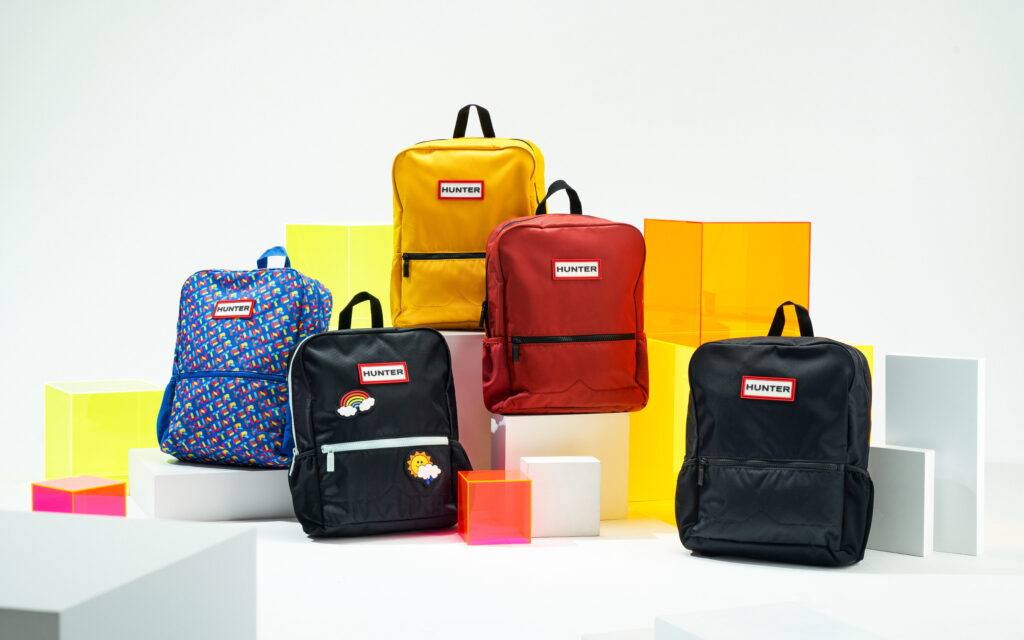
Campaign photography is product photography with full art direction. The emphasis shifts from “show what the product is” to “create a feeling around the product.” Think advertising hero images, seasonal campaign imagery, and product launch content. This type of shoot typically involves a larger team — art director, stylist, lighting technician — and more elaborate post-production. The output is used in paid advertising, editorial placements, and premium brand collateral, where the visual must carry a specific emotional or brand message.
Packshot Photography
A packshot is a clean, accurate photograph of a product’s packaging. This is especially common in FMCG, beauty, food and beverage, and pharmaceutical categories. Packshots appear in trade presentations, press materials, retailer submissions, and regulatory documentation. Accuracy is critical — colours and label details must be reproduced faithfully, and the image often becomes a legal and brand reference document as much as a marketing asset.
Why Product Photography Has a Direct Impact on Sales
Strong product photography is not about aesthetics alone. It has measurable effects on business outcomes across the buyer journey, from first click to post-purchase review.
Buyers cannot touch, hold, or inspect a product online. High-quality imagery signals that a brand is professional and that the product meets expectations. Poor photography raises doubt — even when the product itself is excellent. That doubt costs clicks, and lost clicks cost sales.
On crowded marketplace pages, the main product image is the single most important factor in whether a shopper clicks on a listing. Better imagery means more clicks, more traffic to the product page, and more opportunities to convert. The direct relationship between image quality and click-through rate is well-established in ecommerce platform data.
Returns happen when buyers receive a product that doesn’t match what they expected from the images. Accurate, detailed photography — showing true colour, correct scale, and actual material quality — closes that expectation gap. Fewer returns mean lower logistics costs, better seller ratings on platforms, and fewer negative reviews that damage future listing performance.
Finally, in categories where competitors sell similar products, visual quality is often the only meaningful differentiator a buyer can assess before purchase. Brands that invest in consistent, high-quality imagery project credibility that extends beyond the product itself.
Product Photography vs. Regular Photography
The distinction matters when briefing a photographer or assessing whether existing images are fit for commercial purpose.
| Factor | Product Photography | Regular Photography |
| Primary goal | Represent and sell a product | Capture a moment or subject |
| Lighting | Fully controlled and intentional | Natural or ambient |
| Background | White, seamless, or purpose-built set | Any |
| Post-production | Retouching, colour accuracy, consistency across SKUs | General colour correction |
| Output | Commercial-ready files for specific platforms | General use images |
Product photography demands a level of technical control and consistency that most general photographers are not set up to deliver at scale. Shooting 50 SKUs that need to look identical across every image requires a different discipline from portrait or event work.
What Actually Makes a Strong Product Photo
Regardless of shoot type, strong product photography comes down to a small set of fundamentals that determine whether an image does its commercial job.
Accurate colour is non-negotiable. The product in the image must match the actual product. Colour casts from poor white balance or inconsistent lighting are one of the most common causes of ecommerce returns. Sharp focus on the product — especially key details, textures, and labelling — is equally important. Selective blur has its place in lifestyle imagery, but main listing shots need clarity across the area the buyer needs to evaluate.
Clean, consistent backgrounds let the product do the work without visual competition. Even in lifestyle photography, the background should be purposeful and not distracting. For white background shoots, the background must be a true, even white — not grey or patchy. The right angles tell the product’s complete story: a skincare bottle needs a clean front shot, a 45-degree view showing depth, and a close-up of key label copy; a piece of furniture needs a full front view and a room-context lifestyle image.
Consistency across SKUs is what turns individual product shots into a brand asset. If you are shooting a product range, every image should feel like it belongs to the same family — same lighting rationale, same background, same visual treatment. Inconsistency erodes brand credibility, and buyers notice it even when they can’t articulate why.

How to Choose a Product Photographer in Singapore
When a DIY setup no longer meets your brand’s standards, the decision to work with a professional studio raises a follow-up question: how do you evaluate the right one?
Studio capability matters first. Not all commercial spaces are equally equipped. A photographer working from a small rental space has different limitations from one operating out of a purpose-built 3,200 sq ft facility. Ask whether the studio has a dedicated cyclorama wall for larger products or people shots, a food-capable prep area if that’s your category, and an in-house post-production workflow that eliminates the handover delay between shoot and final delivery.
Creative direction is the second factor. Product photography isn’t just showing the item — it’s presenting it in a way that converts. A photographer who understands how to style a scene, pair the product with appropriate props, and build a visual narrative around the brief produces significantly better results than one who frames a technically clean image without broader visual thinking. Ask to see styled samples across the specific product category you’re shooting.
Versatility across output types reduces the number of vendors you need. The best commercial studios can move between white-background catalogue shots, lifestyle compositions, and short product video loops without rebriefing a different team for each format. If your content needs span multiple output types, consolidating them with a single studio simplifies approvals, ensures visual consistency, and typically reduces overall cost.
Enterprise client experience is a reliable signal of process maturity. Studios that have shot for recognisable regional or international brands know how to work with tight creative briefs, meet delivery deadlines under campaign pressure, and manage complex multi-SKU shoots without losing consistency.
How to Get Started with Product Photography in Singapore
If you are at the beginning of your product photography journey, two main options are open. DIY photography works well at the early stage — when you are testing products, your catalogue is small, and your platform requirements are flexible. A window, a foam board reflector, and a decent smartphone camera can produce usable images. Our guide on how to shoot product photography covers setup, lighting, camera settings, and basic editing for a DIY approach.
As your catalogue grows, your platform requirements tighten, or your brand visual standards rise, the case for a professional studio gets stronger. Consistency across SKUs, accurate colour, and fast turnaround are difficult to achieve without dedicated equipment and a structured workflow. Understanding what a studio session costs — and what it covers — is part of making that decision well. Our breakdown of product photography pricing in Singapore covers the factors that drive cost across different shoot types.
Frequently Asked Questions About Product Photography
What is the difference between product photography and ecommerce photography?
Product photography is the broad discipline of photographing products for commercial use. Ecommerce photography is a specific application — optimised for selling platforms like Amazon, Shopee, or Lazada — that typically includes a defined set of images per SKU: main image, angle shots, detail images, and lifestyle content, designed to meet platform requirements and drive conversions.
Do I need a professional photographer for product photos?
Not always. For early-stage or low-volume use cases, DIY photography with a smartphone and basic lighting setup can produce acceptable results. As your catalogue scales, platform requirements become stricter, or your brand positioning moves upmarket, professional photography delivers consistency and quality that DIY cannot match efficiently.
How many photos do I need per product?
The minimum for a listing is typically one clean main image plus two to three supporting angles. For ecommerce listings, a full set usually includes the main image, three to five angle shots, one or two close-up detail images, and one lifestyle image — totalling six to ten images per product. High-value or complex products may warrant more.
What type of product photography do I need for Shopee and Lazada?
Both platforms require the primary listing image to be on a white background, clearly showing the product. Secondary image slots can accommodate angle shots, lifestyle images, and infographic-style images showing key product details. Shopee and Lazada both impose size and aspect ratio requirements that should be confirmed before the shoot to avoid reshoots.
What makes product photography expensive?
The main cost drivers are the number of SKUs, the complexity of the shoot (lifestyle sets with props and styling cost more than white background catalogue work), the number of angles and output formats required, and post-production volume. Studios with in-house post-production typically deliver faster and more consistent results than those that outsource retouching, which matters when you are shooting high volumes.
Work With a Studio That Understands the Commercial Brief
Product photography is the first impression your brand makes on every buyer who finds you online — and in ecommerce, first impressions are the only impressions. At GradePixel, we produce white background catalogue shoots, lifestyle and campaign photography, and packshot imagery for brands across every product category in Singapore, from FMCG clients like Nestlé and Unilever to D2C brands launching their first SKU. Explore our product photography services →

A title
Image Box text
Sylvester Lim - Founder of GradePixel
I’m Sylvester, founder of GradePixel, a commercial photography and video production studio in Singapore with over 10 years of experience. I’ve worked with brands across product, food, fashion, and corporate sectors, helping businesses create clean, effective visuals that drive real results. My focus is always on practical, high-quality production that works for marketing.