
What Is Fashion Photography? Types, Styles & How It Works
Learn what fashion photography is, the different types from ecommerce to editorial, and what separates professional fashion imagery from everything else
June 11, 2026 • gradepixel
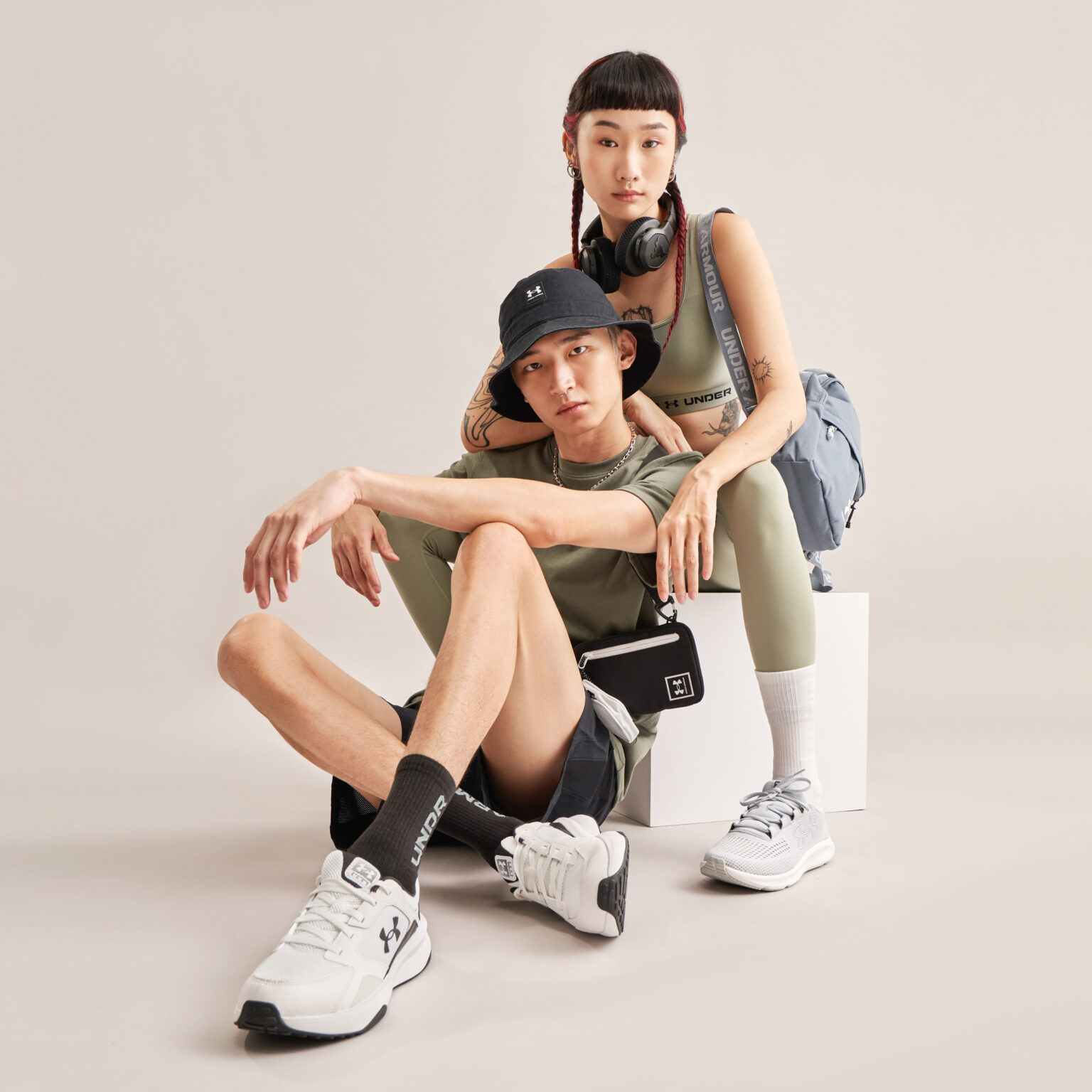
Fashion photography is one of the most commercially diverse disciplines in professional photography. The same term covers a Shopee catalogue image of a plain t-shirt and a full art-directed campaign for a global sportswear brand. Both are technically fashion photography — but the techniques, business purposes, and outputs are entirely different. Understanding those differences helps brands commission the right type of work, and helps anyone working in the field develop their practice with more clarity.
This guide covers what fashion photography actually is, the main types you will encounter, what separates strong fashion imagery from weak, and how the discipline applies to Singapore’s commercial market.
What Is Fashion Photography?
Fashion photography is the commercial photography of clothing, accessories, and fashion products. Its purpose is to present garments and fashion items in a way that communicates their style, quality, and brand identity — whether for an ecommerce listing, a seasonal lookbook, an advertising campaign, or an editorial spread.
Unlike general photography, fashion photography is entirely intentional. Every variable — the lighting, the background, the model’s posture, the styling of the garment, the colour grading in post — is a deliberate decision. The images are not captured; they are constructed. That is what makes professional fashion photography different from taking a photo of clothing.
Types of Fashion Photography
Fashion photography is not a single discipline. It contains several distinct categories that serve different commercial purposes and require different skills.
Ecommerce and Catalogue Photography
Ecommerce photography produces clean, consistent images of garments for online listing platforms — Shopee, Zalora, Lazada, and direct-to-consumer brand websites. The model is typically shot on a white or neutral background from front and back, with the garment clearly visible and accurately represented.
The priority here is clarity and consistency, not creativity. Ecommerce catalogue images need to answer a buyer’s visual questions quickly and accurately: what does this garment look like? How does it fit? What colour is it, really? A set of 60 ecommerce images from the same shoot should look like they were all produced from the same visual template — because that consistency is what makes a brand’s listings feel professional.
→ For a detailed guide to shooting for Singapore’s ecommerce platforms, see our article on ecommerce fashion photography in Singapore.
Lookbook Photography
A lookbook presents a clothing collection as a cohesive visual story — shot in studio or on-location with deliberate styling, lighting direction, and model casting. The goal is to communicate the brand’s aesthetic identity for a season, not just to show individual garments.
Lookbook photography sits between ecommerce and editorial in terms of creative latitude. The garments are always clearly visible and commercially legible, but the setting, mood, and styling are used to build brand context around them. A well-executed lookbook does what a product listing cannot: it tells a buyer not just what the clothes are, but what it feels like to wear them.
→ See our guide on lookbook photography Singapore for a full breakdown of what a lookbook shoot involves and how to plan one.
Editorial Fashion Photography
Editorial fashion photography is the most creatively led category. It is produced for magazines, branded editorial content, press materials, and any context where the image is telling a story in its own right rather than selling a specific product.
In editorial work, the garments support the narrative — they are not the narrative. An editorial image might be striking, unexpected, or conceptually ambitious in a way that a lookbook or campaign image would not be. Commercial relevance still matters, but creative distinctiveness is the primary measure of success.
Campaign and Advertising Photography
Campaign photography is fashion photography at full production scale. Hero images for paid advertising, out-of-home placements, seasonal campaign launches, and brand decks. The output needs to work at billboard dimensions and in a social media thumbnail simultaneously, and it needs to convey a brand message in a single frame.
Campaign shoots typically involve a full production team — art director, stylist, HMUA, lighting technician — and significantly more advanced post-production. This is the category where the investment is highest and the output has the widest commercial reach.
Ghost Mannequin Photography
Ghost mannequin photography (also called invisible mannequin) is a technique where clothing is shot on a physical mannequin and the mannequin is removed in post-production. The result is a three-dimensional, wearable-looking image of the garment without the cost of a model for every SKU.
This approach is standard in fashion ecommerce for apparel brands with large product ranges — outerwear, structured garments, bottoms, and any category where showing the garment’s shape is more important than showing it worn by a person.
→ See how ghost mannequin photography works in detail at our guide on ghost mannequin photography.
Street Fashion and Lifestyle Photography
Street fashion and lifestyle photography shows clothing in real-world context — in motion, on location, in environments that communicate how a brand’s clothing fits into an actual life. This is the category that drives social media content for fashion brands, and it is increasingly important as buyers make purchasing decisions based on how they see clothing worn rather than how it looks in a controlled studio environment.
Fashion Photography vs. Regular Photography
The gap between fashion photography and general commercial photography is wider than the label suggests.
| Factor | Fashion Photography | Regular Photography |
|---|---|---|
| Primary goal | Sell or represent clothing and brand | Capture a moment or subject |
| Styling | Deliberate — every element planned and adjusted | Incidental or general |
| Model direction | Specific to garment shape, brand tone, and campaign brief | General direction or spontaneous |
| Post-production | Retouching, colour accuracy, batch consistency | Colour correction |
| Output | Commercial-ready files for specific platforms | General use images |
The practical implication: a photographer experienced in portraiture or event work is not necessarily equipped to produce fashion catalogue images at volume, or to direct a model to communicate a specific brand identity through posture and expression. Fashion photography is a specialist discipline, not a subset of photography in general.
What Makes a Great Fashion Photo?
Five principles that separate strong fashion imagery from technically competent but commercially ineffective images.
Styling precision. Every visible element in the frame — the garment, the accessories, the hair, the surface the model is standing on — is a styling decision. Stray threads, unpressed collars, misaligned accessories, and background clutter all undermine the image. Strong fashion photography is the result of preparation, not luck.
Light that serves the garment. Lighting in fashion photography is not just about illuminating the model — it is about revealing the garment’s texture, colour, and structure. A knit garment needs different lighting than a satin dress. Technical fabric in activewear needs directional light to show contour and construction. The lighting choice is a product decision, not just an aesthetic one.
Purposeful model direction. The model’s posture, expression, and movement communicate brand tone as directly as the garment itself. Ecommerce photography requires consistent, neutral postures that do not distract from the garment. Lookbook and campaign photography requires model direction that builds emotional context around the clothing. Both are skills — and both require clear, specific direction from the photographer rather than general guidance.
Colour accuracy. In ecommerce particularly, the colour of the garment in the image must match the physical product. Colour discrepancies are one of the leading causes of returns in fashion ecommerce. Getting white balance, colour grading, and monitor calibration right is not optional — it is a direct commercial consideration.
Consistency across a set. For a lookbook, a campaign, or a catalogue shoot, every image needs to feel like it belongs to the same collection. Inconsistent lighting, varying colour temperatures, and mismatched retouching treatment are signals that the images were not produced with a clear system. Consistency is what makes a set of fashion images look like a brand, rather than a collection of individual photographs.
Commercial Fashion Photography in Singapore
Singapore’s fashion photography market serves two distinct buyer groups: fashion brands needing ecommerce catalogue images for Shopee, Zalora, and Lazada, and established brands building lookbooks, campaign visuals, and brand editorial content. Both segments are active and have specific requirements that differ from general commercial photography.
GradePixel’s client base spans both segments — from ecommerce catalogue shoots for activewear brands to campaign productions for global fashion labels. The 3,200 sq ft studio in Singapore supports large-scale catalogue shoots, cyclorama backgrounds for premium ecommerce, and controlled lighting setups for a wide range of garment types.
→ To discuss your fashion photography requirements, visit our fashion photography studio in Singapore.
→ For practical guidance on lighting, model direction, and production planning, see our guide on fashion photography tips.
Frequently Asked Questions
What is the difference between fashion photography and portrait photography?
Portrait photography focuses on capturing a person — their character, expression, or likeness. Fashion photography uses people as vehicles to present clothing and communicate brand identity. In fashion photography, the garment and brand are the subject; the model’s role is to communicate something about the clothing, not to be the primary subject themselves. The model direction, styling, and post-production decisions all follow from what the garment requires.
Do I need professional models for fashion photography?
For ecommerce catalogue photography, fit models who are experienced working in studio environments are the standard — the priority is showing the garment correctly rather than creative performance. For lookbook and campaign photography, professional models with relevant experience for the brand’s aesthetic are worth the investment. The model’s ability to take direction, communicate brand tone, and move naturally in the garment significantly affects the quality of the final images.
What equipment is used in professional fashion photography?
Professional fashion photography typically uses a mirrorless or DSLR camera with an 85mm or 50mm lens, strobe lighting with large and medium softboxes, a hair or rim light, and a range of backgrounds from white seamless paper to cyclorama coves. The lighting setup is the most production-critical element — the camera matters far less than the quality of light hitting the garment and the model.
GradePixel is a fashion photography studio in Singapore. We produce ecommerce catalogues, lookbooks, and campaign visuals for fashion brands across Singapore. Get in touch to discuss your project.
A title
Image Box text
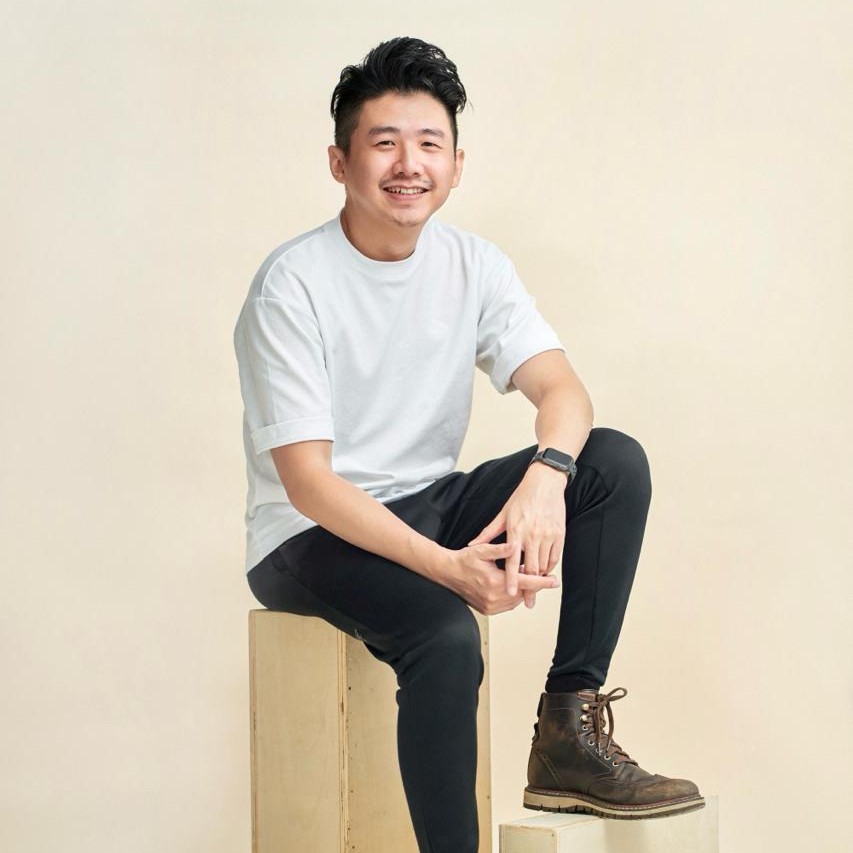
Sylvester Lim - Founder of GradePixel
I’m Sylvester, founder of GradePixel, a commercial photography and video production studio in Singapore with over 10 years of experience. I’ve worked with brands across product, food, fashion, and corporate sectors, helping businesses create clean, effective visuals that drive real results. My focus is always on practical, high-quality production that works for marketing.