
Choosing an Interior Photographer in Singapore: What to Look For
Singapore’s interior photography market spans individual freelance photographers with strong personal brands and portfolios, to studios with dedicated teams and equipment. Both can produce excellent work. But the choice between them isn’t simply about the quality of any individual image — it’s about reliability, consistency, and what happens when the requirements of your project go [...]
July 4, 2026 • gradepixel
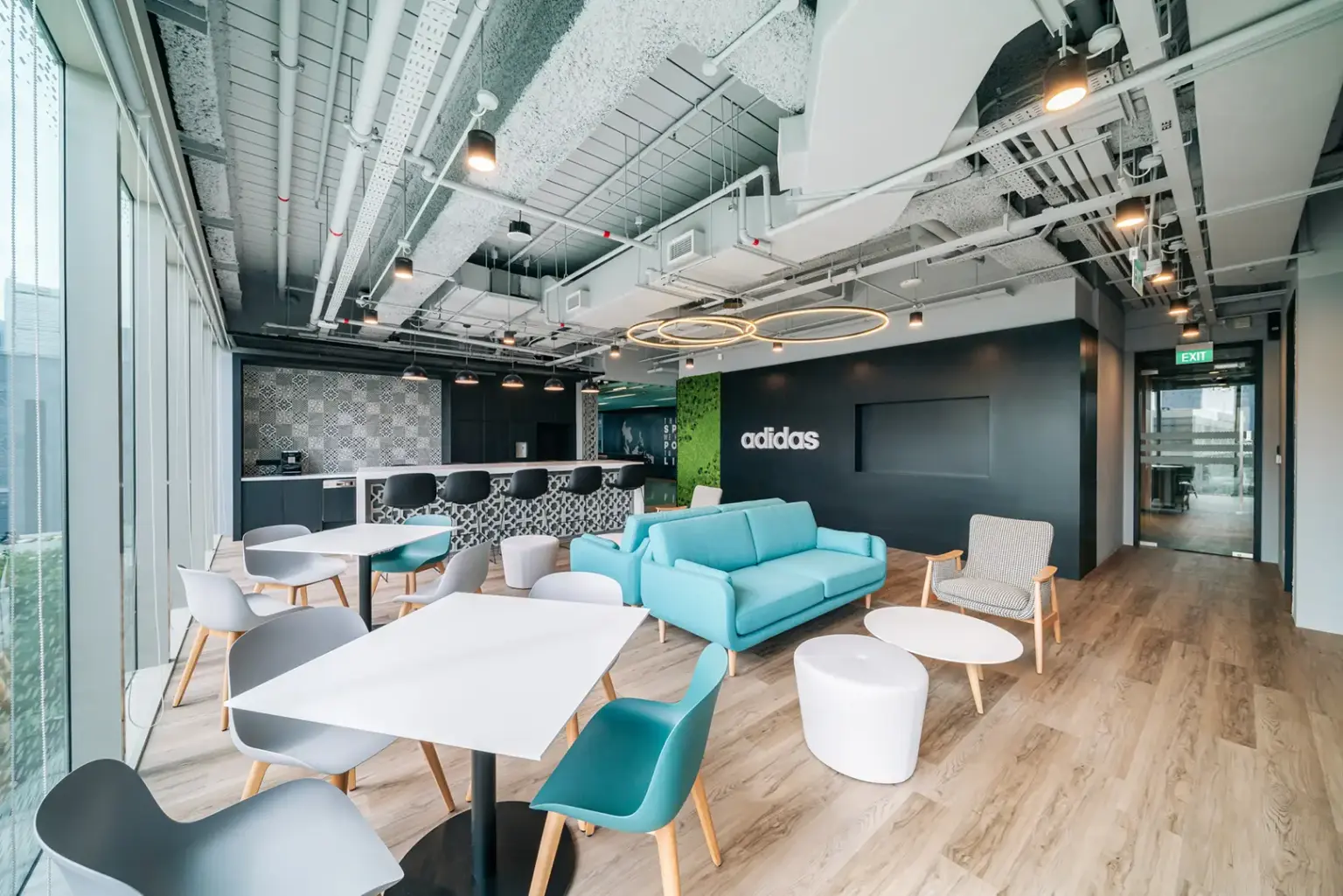
Singapore’s interior photography market spans individual freelance photographers with strong personal brands and portfolios, to studios with dedicated teams and equipment. Both can produce excellent work. But the choice between them isn’t simply about the quality of any individual image — it’s about reliability, consistency, and what happens when the requirements of your project go beyond what a single person can handle alone.
This guide covers what to evaluate in a portfolio, the questions worth asking before booking, the trade-offs between individual photographers and studios, and how to match the photographer or studio to your specific type of project.
What to Look for in a Portfolio
A portfolio review for interior photography should go beyond finding images you find visually appealing. These are the specific things to assess:
Consistency across different spaces. Anyone can have one or two standout images. What a portfolio of interior work should demonstrate is that the quality is consistent across different types of spaces — different room sizes, different lighting conditions, different property types. A portfolio that shows ten variations of the same well-lit modern apartment is less informative than one showing a range of property types and lighting conditions all handled to a comparable standard.
Technical fundamentals. Look specifically at:
- Are vertical lines (walls, door frames, window frames) straight, or do they converge? Converging verticals are a sign of either insufficient attention to perspective during the shoot or inadequate correction in post-production
- Are windows blown out to white, or is the view through the window retained with a natural exposure? Window handling is one of the clearest indicators of technical sophistication in interior photography
- Is the colour accurate and natural, or does it look over-processed — unnaturally bright, oversaturated, or with the halo effect typical of heavy-handed HDR processing?
Relevant experience. Interior photography for a real estate listing, for a hospitality booking platform, and for an interior designer’s portfolio are different briefs with different priorities. Look for evidence that the photographer has worked in the specific context most relevant to your needs — not just interior photography in general.
Individual Photographers vs Studios
Singapore’s interior photography market has a significant number of individual photographers with strong personal brands — some of them have built substantial reputations over years of consistent high-quality work and are very well known within their niche. This is worth understanding before making a decision.
| Individual Photographer | Studio | |
|---|---|---|
| Signature style | Often highly distinctive — a recognisable aesthetic built over years | Can offer range across multiple photographers and styles |
| Availability | Limited by one person’s schedule | More flexible — team-based scheduling |
| Scalability | Harder for large or multi-property projects | Built for scaling — able to handle multiple shoots simultaneously |
| Single point of failure | If the photographer is ill, unavailable, or overbooked, the project is affected | Built-in redundancy — backup photographers and equipment |
| Consistency across many shoots | Depends on whether the individual can maintain consistent output | Standardised workflow and post-production systems |
| Communication and production management | Varies significantly by individual | Typically more structured — project coordination as part of the service |
The key question is less “individual vs studio” in the abstract and more: what does this specific project require? For a single, bespoke project where a specific visual style is central — a design firm wanting a very specific aesthetic for their portfolio, for example — a skilled individual with that aesthetic might be the right choice. For a property agency with a continuous pipeline of listings needing consistent, reliable photography, or a hotel group with multiple properties to photograph on a defined timeline, a studio’s infrastructure becomes more relevant.
Questions to Ask Before Booking
Beyond reviewing a portfolio, these are the practical questions that reveal how a photographer or studio approaches interior work.
Can you share examples specifically from my property type?
Real estate, hospitality, and design portfolio photography all look different. A strong hotel portfolio doesn’t guarantee strong real estate listing photography. Ask to see work that’s directly relevant to what you need.
What’s included in post-production?
Perspective correction, HDR blending for window balance, and colour correction are the baseline for professional interior photography. Ask specifically whether these are included in the quoted price or billed separately, and what the output files look like (file format, resolution, colour profile).
What’s your standard turnaround time?
For real estate listings, timing matters — a property sitting on the market without photos is losing time. For hospitality clients who need to update a booking platform before a peak season, the delivery window is equally critical. Confirm standard and express options upfront.
For multi-room or multi-property work, how do you ensure consistency across all images?
Consistency across a large set of images — a hotel with twenty room types, or an agency with a portfolio of properties — requires more than individual quality. Ask how the photographer or studio maintains matching colour, brightness, and style when working across many sessions.
What happens if something goes wrong on the shoot day?
Equipment failure, a photographer’s illness, or an access issue on the day are real possibilities. For an individual photographer, the honest answer is that these situations require rescheduling. For a studio with a team, there’s typically a contingency. For projects where timing is critical, this is a relevant question.
Matching Photographer to Project Type
Different types of interior photography require different things, and the photographer you choose should have demonstrable experience in the specific context that matters for your brief.
Real estate listings benefit most from a photographer who understands listing platform conventions — the angles and compositions that perform well in property portal environments, the brightness standard buyers expect, the balance between accuracy and appeal. Experience with high volumes of listing photography is a practical advantage.
→ For more on what’s involved in listing photography, see our article on real estate photography in Singapore.
Hospitality photography requires experience working around operating properties — understanding the logistics of accessing multiple room types, the timing considerations for different areas of a property, and the platform requirements of the major booking sites.
→ For more on what’s involved in hospitality photography, see our article on hotel and hospitality interior photography in Singapore.
Interior design portfolios demand a higher degree of compositional care and attention to material detail than standard real estate photography. The brief is about communicating design intent — which requires a photographer who understands both the technical requirements of interior photography and the visual language of interior design.
Why Consistent Delivery Matters for Ongoing Clients
For clients who need interior photography on an ongoing basis — a property agency handling multiple listings per month, a hotel group refreshing photography across properties — the most important quality in a photography partner is not any single set of images but the system that produces consistent results session after session.
This means consistent colour grading across different shoot dates so images from different months look like they belong together. It means reliable scheduling and delivery so marketing timelines can be planned around the photography rather than the other way around. And it means a backup plan for the inevitable disruptions — a busy week, a piece of equipment that needs repair, a team member who’s unavailable.
Getting Started
→ To discuss your interior photography requirements with the GradePixel team, visit our interior photography studio in Singapore.
→ If you’re deciding on the scope of your project before selecting a photographer, see our guide on interior photography pricing in Singapore for a sense of how different project types are typically structured.
Frequently Asked Questions
Should I hire an individual photographer or a studio for interior photography?
The answer depends on what your project requires. For a single, bespoke project where a specific visual style is central — and where timing and scale are flexible — a skilled individual photographer with the right aesthetic can be an excellent choice. For ongoing work, multi-property or multi-room projects, or anything where reliability and consistency at scale matter, a studio’s infrastructure tends to be more appropriate.
What experience should an interior photographer have?
Look for experience specifically in the type of interior photography relevant to your brief. A photographer with extensive real estate listing experience has developed intuition for angles, lighting, and compositions that perform in that context — this is different from, but not better or worse than, experience in hospitality or design photography. Relevant experience matters more than total years or volume of work in unrelated contexts.
Can the same photographer handle both real estate and hospitality shoots?
Many interior photographers work across both, and the underlying technical skills are the same. The difference is in brief requirements and context awareness — real estate listing photography has different conventions and platform requirements from hospitality photography. When briefing a photographer or studio on a project that spans both contexts, confirm they have experience in each specifically, rather than assuming competence in one transfers automatically to the other.
GradePixel is an interior photography studio in Singapore. We produce photography for real estate agents, hospitality properties, and interior design firms. Get in touch to discuss your project.
A title
Image Box text
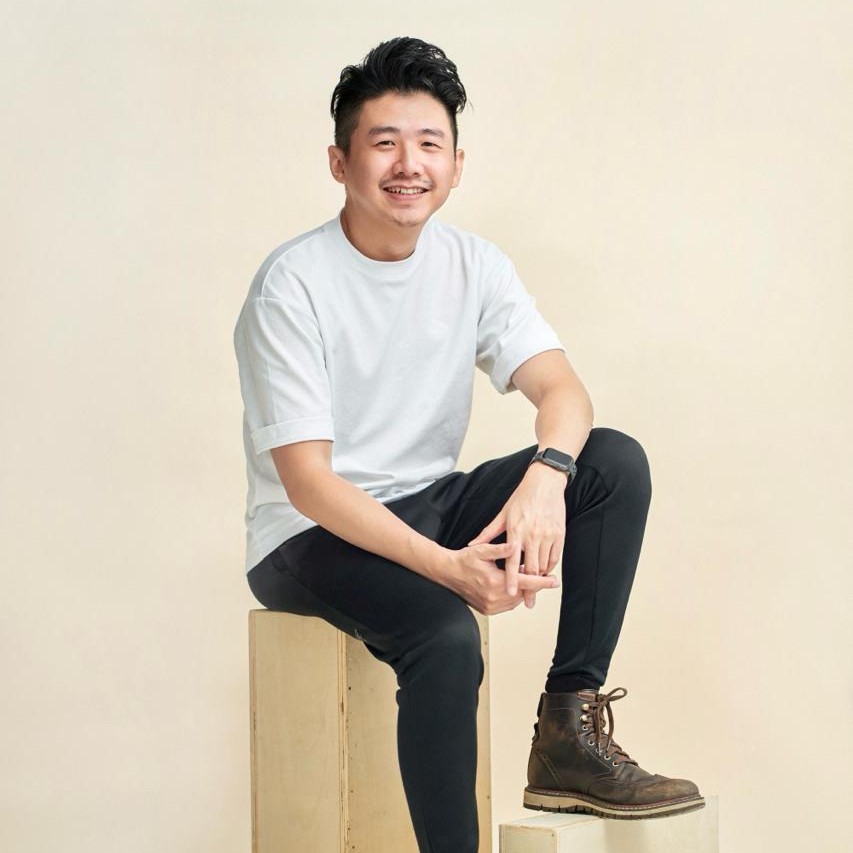
Sylvester Lim - Founder of GradePixel
I’m Sylvester, founder of GradePixel, a commercial photography and video production studio in Singapore with over 10 years of experience. I’ve worked with brands across product, food, fashion, and corporate sectors, helping businesses create clean, effective visuals that drive real results. My focus is always on practical, high-quality production that works for marketing.