
Hybrid Photography Workflow: When to Use AI, When to Book a Studio
When brands start evaluating AI photography, they tend to ask the wrong question: “should we switch to AI?” The framing assumes it’s a choice between two competing approaches. It isn’t. AI tools and studio photography don’t occupy the same role in a visual content workflow — they do different jobs, at different quality levels, for [...]
July 3, 2026 • gradepixel
When brands start evaluating AI photography, they tend to ask the wrong question: “should we switch to AI?” The framing assumes it’s a choice between two competing approaches. It isn’t. AI tools and studio photography don’t occupy the same role in a visual content workflow — they do different jobs, at different quality levels, for different platforms and use cases.
The right question is: which specific tasks in our content pipeline does each approach handle best? Building a clear answer to that question is what a hybrid workflow is — a deliberate allocation of tasks between AI tools and studio production, based on what each one actually delivers.
Why the Either/Or Framing Leads to Poor Decisions
Brands that treat AI and studio photography as substitutes typically end up in one of two failure modes.
Over-relying on AI: Platform compliance problems for main listing images, accuracy complaints in reviews, higher return rates from buyers who receive a product that looks different from the AI-generated image. The cost savings on photography are eroded by these downstream effects.
Over-relying on studio: Missing the efficiency gains that AI tools provide for content variation, format adaptation, and seasonal updates. A brand that re-books a studio shoot every time it needs a seasonal background update is spending significantly more than necessary.
AI photography tools excel at speed, variation, and content multiplication from an existing source. Studio photography excels at accuracy, brand control, and producing the foundational images that everything else is built from. A well-designed hybrid workflow gives each one the tasks it’s actually suited for.
The Foundation Rule: Studio First, AI to Multiply
The single most important principle in any hybrid photography workflow:
AI content is only as good as the source image it starts from.
Background replacement, lifestyle environment generation, and AI-assisted retouching all produce significantly better results when they begin from a real, accurately photographed product image — not from an AI render, a product render, or another AI-generated image. When AI works from an inaccurate source, it generates a plausible variation of that inaccuracy. Each generation step moves further from the reality of the physical product.
The practical consequence: the studio shoot is not the cost to minimise in a hybrid workflow. It is the investment that determines the quality ceiling of everything produced downstream. A well-produced studio image set generates more value from AI tools than a low-quality source image — because every AI-generated variation inherits the accuracy of the original.
The Decision Framework: Task by Task
Tasks That Always Require a Studio Shoot
Main listing images. Shopee, Lazada, and Amazon all require that the primary listing image accurately represents the physical product. A white-background hero shot of the actual product is non-negotiable for ecommerce compliance. AI-generated main listing images risk rejection by the platform or — if they pass initial upload — generate the review patterns (complaints about product appearance not matching the listing) that suppress ranking over time.
New product launches. The first time a product is photographed, there is no source image for AI to work from. A studio shoot is the only way to produce an accurate foundational image of a new product. Everything produced subsequently — AI variations, format adaptations, seasonal updates — starts here.
Brand campaign hero images. Campaign photography requires specific creative direction: a mood, a visual language, a relationship between the product and its environment that reflects the brand’s identity at a particular moment. This cannot be reliably delegated to AI prompt engineering — it requires a photographer and art director who understand the brief.
Premium and texture-sensitive products. Products where material quality is the primary selling point — luxury packaging, leather goods, premium fabrics, skincare with a specific finish, jewellery — need to be photographed with the lighting and technique that reveals that material quality accurately. AI tools approximate texture; they don’t replicate it.
Any product where colour is a purchase decision. Beauty and skincare products, fashion, paint and home furnishings — categories where buyers make decisions based on the specific colour they see. Colour drift from AI generation leads directly to returns.
Tasks Where AI Tools Add Genuine Value
Background variations from existing studio images. A studio hero shot on white can be placed into multiple lifestyle environments using AI — a kitchen counter, a gym bag, an outdoor table — without rebooking a shoot. This is a legitimate efficiency gain that doesn’t compromise the underlying accuracy of the source image.
Seasonal content updates. Chinese New Year, Christmas, Hari Raya, 11.11 — seasonal campaign backgrounds can be generated from existing product images rather than requiring a dedicated seasonal studio shoot for every product in the range.
Platform format adaptations. Converting a 3:2 studio image into 1:1 for Shopee listing video, 9:16 for TikTok, and 16:9 for a website banner is work that AI format adaptation tools handle efficiently. The accuracy of the image is preserved; only the framing and format change.
Secondary lifestyle images. A full listing on Shopee or Lazada typically includes 6–8 images. AI-generated lifestyle variations are appropriate for secondary slots — after a studio image has occupied the primary listing slot — adding context and variety without the cost of a full lifestyle shoot for every product.
A/B testing creative. Paid advertising on Meta and Google allows creative testing across multiple background and context variations. AI generation is well-suited to producing variations for this testing — speed matters more than perfect accuracy when the goal is to identify which background context performs better.
AI-assisted retouching in post-production. This is the most commercially established AI application in professional photography and is already standard practice in most serious studios. AI retouching tools within Adobe Photoshop and Lightroom accelerate background clean-up, colour correction, shadow creation, and spot removal — with a professional editor reviewing and directing the output. GradePixel’s post-production workflow incorporates AI-assisted retouching as standard.
Tasks Where AI Quality Is Not Yet Reliable
Jewellery and fine accessories. Reflection management on polished metal, gemstone fire, and the intricate detail of settings and clasps are areas where AI generation consistently underperforms. See our jewellery photography guide for the technical requirements in this category.
Transparent and reflective packaging. Glass bottles, clear pouches, and reflective metallic packaging require controlled lighting that manages how reflections appear. AI generation of these materials produces visible artefacts and unrealistic surface rendering.
Premium fabric and leather. The texture of a cashmere knit, the grain of full-grain leather, the drape of silk — these properties communicate product quality in a way that AI approximation consistently misrepresents.
A Practical Hybrid Workflow: Five Steps
This is the workflow GradePixel uses with brands that need both ecommerce compliance and content scale.
Step 1 — Studio shoot for the foundational image set.
Every product that will be sold commercially needs: a white background hero shot, multi-angle views, and any detail shots required to communicate quality. These are produced in a studio with controlled lighting, professional styling, and post-production to the required quality standard. This is the non-negotiable foundation.
Step 2 — AI background generation for lifestyle variants.
Take the studio hero shots and generate them in lifestyle environments relevant to the brand — without rebooking a shoot for every context. The source image accuracy ensures the product appears correctly in every generated variation.
Step 3 — AI format adaptation for platform requirements.
Export the studio and AI-generated images in the formats each platform requires: 1:1 square for Shopee and Lazada listing video, 9:16 vertical for TikTok and Instagram Reels, 16:9 landscape for website embeds. AI tools handle the adaptation efficiently from a single source file.
Step 4 — AI-assisted post-production.
Within the studio’s post-production workflow, AI retouching tools accelerate background clean-up, colour consistency across a batch, and detail retouching. The professional editor reviews and approves the output. This is the step that makes large-volume catalogue production economically viable.
Step 5 — Seasonal and campaign updates via AI.
When Chinese New Year, Ramadan, or a product campaign requires seasonal visual content, generate background and context variations from the existing studio image library. No re-shoot required — the existing accurate product images become the source for seasonal content multiplication.
How This Compares to an AI-Only Workflow
An AI-only workflow skips Step 1. The consequences compound over time:
- Without accurate source images, every AI-generated asset starts from an approximation
- Platform compliance for main listing images is at continuous risk
- When press coverage, wholesale presentations, or B2B materials require accurate product images, there is no existing image library to draw from
- Returns and review patterns from inaccurate imagery erode marketplace ranking
A hybrid workflow costs more at the start because Step 1 is a real investment. It costs significantly less when accuracy problems, platform compliance issues, and the commercial consequences of misleading imagery are accounted for across the product’s lifetime on a marketplace.
How GradePixel Approaches This
GradePixel’s 3,200 sq ft studio in Singapore provides the foundational image quality that makes AI tools work as intended — generating variations from a professionally lit, accurately produced source rather than from an approximation.
Brands including L’Oréal, Sephora, and Nestlé use this hybrid approach to maintain visual consistency at scale: studio shoots for the core product image library, AI-assisted post-production and content multiplication for the distribution layer. The studio investment pays back across every piece of content generated from it.
→ For a detailed cost and quality comparison of AI and studio photography, see our article on AI vs traditional product photography.
→ For a full overview of AI product photography capabilities and limitations, see our article on AI product photography.
→ To discuss your product photography requirements, visit our product photography studio in Singapore.
Frequently Asked Questions
Can I use AI photography without having done a studio shoot first?
Technically yes — AI tools can generate images from a product render or a brief text description. Practically, the quality and accuracy of what’s produced from these sources is not sufficient for main listing images, campaign content, or any application where material accuracy matters. For secondary social media content and internal testing, AI-only generation is usable. For ecommerce-compliant listing images and brand-representing content, a studio source image is the necessary starting point.
How much does a hybrid photography workflow cost?
The cost of a hybrid workflow is primarily the cost of the studio photography session, since AI tools are either integrated into the studio’s post-production workflow (no additional cost to the client) or available as low-cost subscriptions the brand manages. The studio session cost varies by product count, shoot scope, and post-production requirements. Contact GradePixel with your specific brief for a quote. The AI component of content multiplication — lifestyle variations, format adaptations, seasonal updates — is priced separately and significantly less than additional studio sessions would cost.
Which brands benefit most from a hybrid AI and studio approach?
Brands with the highest return from a hybrid workflow are those with three characteristics: a significant ecommerce presence requiring platform-compliant listing images, multiple content channels requiring different image formats and contexts, and ongoing seasonal or campaign content needs that would otherwise require repeated studio bookings. FMCG brands, beauty and skincare brands, fashion and accessories brands, and consumer electronics brands in Singapore typically meet all three criteria.
GradePixel is a product photography studio in Singapore. We produce foundational studio image sets and integrate AI-assisted post-production to help brands scale their visual content. Contact us to discuss your workflow.
A title
Image Box text
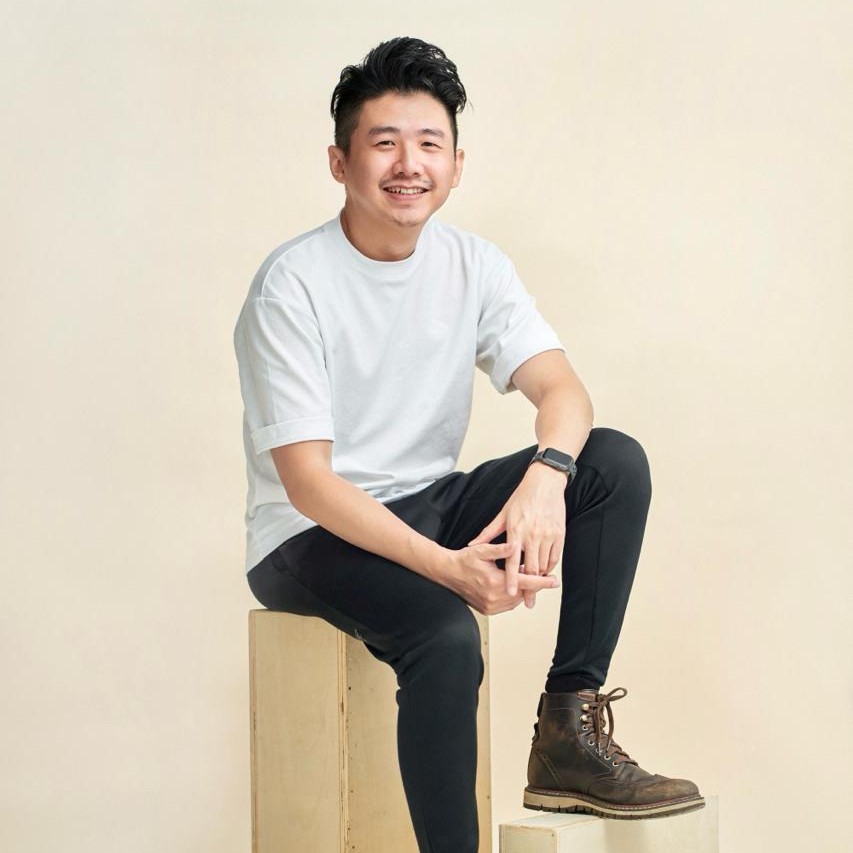
Sylvester Lim - Founder of GradePixel
I’m Sylvester, founder of GradePixel, a commercial photography and video production studio in Singapore with over 10 years of experience. I’ve worked with brands across product, food, fashion, and corporate sectors, helping businesses create clean, effective visuals that drive real results. My focus is always on practical, high-quality production that works for marketing.