
AI Photography Services in Singapore: A Buyer’s Guide
AI photography services in Singapore refer to commercial photography providers that use artificial intelligence — including generative image tools, background synthesis, and automated retouching — to produce product or portrait imagery, either as a standalone output or in combination with a live studio shoot. The quality and reliability of these services varies enormously depending on [...]
July 3, 2026 • gradepixel
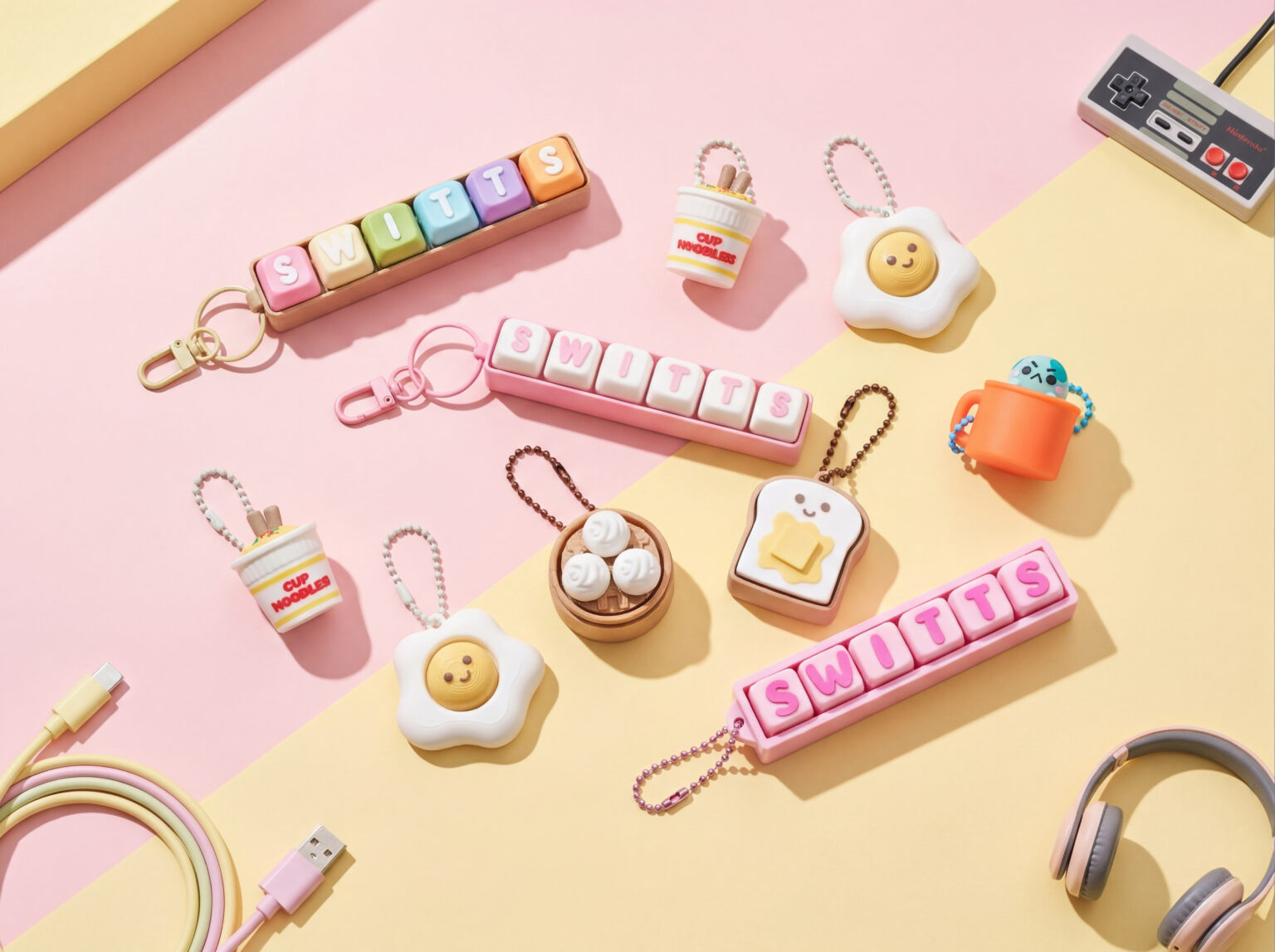
AI photography services in Singapore refer to commercial photography providers that use artificial intelligence — including generative image tools, background synthesis, and automated retouching — to produce product or portrait imagery, either as a standalone output or in combination with a live studio shoot. The quality and reliability of these services varies enormously depending on whether AI is the only production method or one component in a professionally managed workflow.
Why the AI Photography Market in Singapore Is Harder to Navigate Than It Looks
Search for “AI photography service Singapore” and you’ll surface everything from legitimate commercial studios offering AI-assisted production to solo operators running a SaaS subscription on someone else’s servers. The output can look indistinguishable in a portfolio screenshot. The gap shows up later — in platform rejections, in images that look nothing like the actual product, in retouching that fails QC because no one on the vendor side understood the brief.
We’ve spoken with brands that went through two or three AI-only providers before landing with us, and the pattern is consistent. The early provider looked cheap and fast. The images looked plausible on screen. Then the brand tried to run them on Lazada or push them through their global style guide review, and they failed — wrong proportions, non-compliant backgrounds, colours that drifted 15% from the physical sample. Starting over cost three times the original saving.
This guide walks you through the five questions that actually separate a capable AI photography provider from a generic tool reseller — and what to look for in each answer.
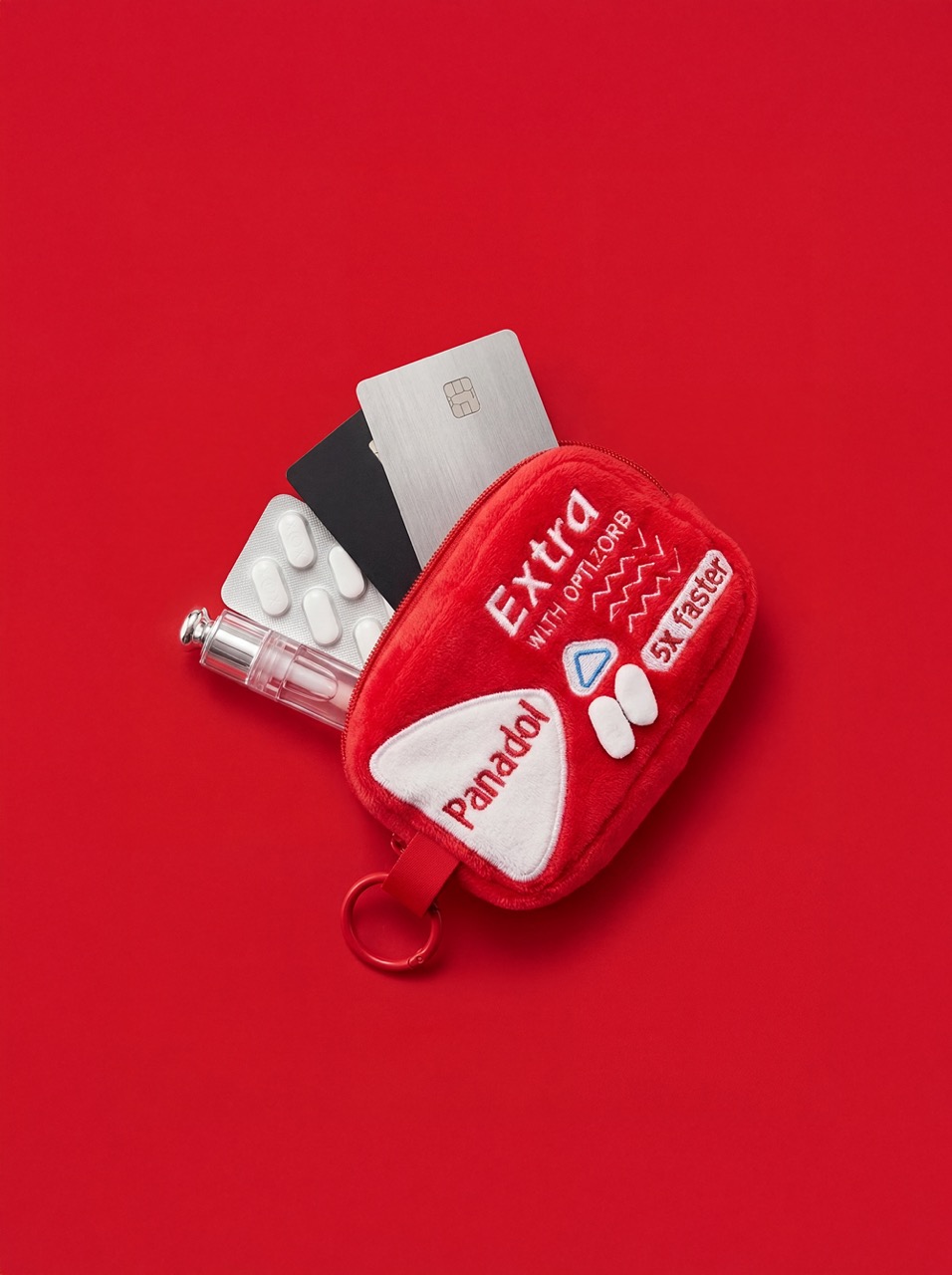
Five Questions That Reveal Whether an AI Photography Provider Can Actually Deliver
1. Does the Service Include an Actual Studio Shoot?
This is the first filter, and it eliminates a significant portion of the market immediately. Many AI photography services generate product imagery from a photograph you submit — typically a phone photo or a supplier’s product shot — without any controlled studio capture. The output is built on whatever visual information was in that source image. If the source shows the wrong colour, wrong finish, or wrong proportions, those errors propagate through every AI-generated variation.
A service that includes a studio shoot as part of its workflow captures your product under controlled lighting, on a calibrated background, with a professional art-directing the framing and surface presentation. The AI layer then operates on accurate source material, which is the only way to guarantee colour fidelity, surface accuracy, and lifestyle context that reflects reality rather than a plausible approximation of it.
When evaluating any provider, ask directly: “Is there a studio component?” If the answer is no, or if they say “just send us your product photo,” you are buying an image manipulation service, not a photography service.
2. Does the Provider Understand Platform Compliance Requirements?
E-commerce platforms in Southeast Asia have specific image requirements that change more frequently than most brands track. Lazada’s main image spec differs from Shopee’s. Amazon’s style guide for fashion differs from its FMCG requirements. TikTok Shop has its own set of rules that are newer and less consistently documented. An AI photography provider who cannot speak fluently to these requirements is not equipped to produce compliant images at scale.
We build platform compliance checks into our briefs before a single image is generated. That means background spec, minimum resolution, aspect ratio requirements, and category-specific restrictions are locked in upfront — not discovered during a failed upload. When evaluating a provider, ask them to walk you through their platform compliance process. A vague answer is a red flag.
3. Who Owns Quality Control — and What Does That Process Look Like?
AI-generated imagery is probabilistic. Even with a strong prompt and good source material, output can drift — a reflective surface misrendered, a label reproduced with blurred text, a lifestyle context that looks off-brand. The question is not whether errors occur, but who catches them and how.
A professional provider has a defined QC step staffed by people who understand the brief and know what accurate output looks like. That typically means a photographer or retoucher reviewing every image against the source product and the approved brief before anything reaches the client. If a provider cannot describe their QC process in specific terms, assume it doesn’t exist in any meaningful form.
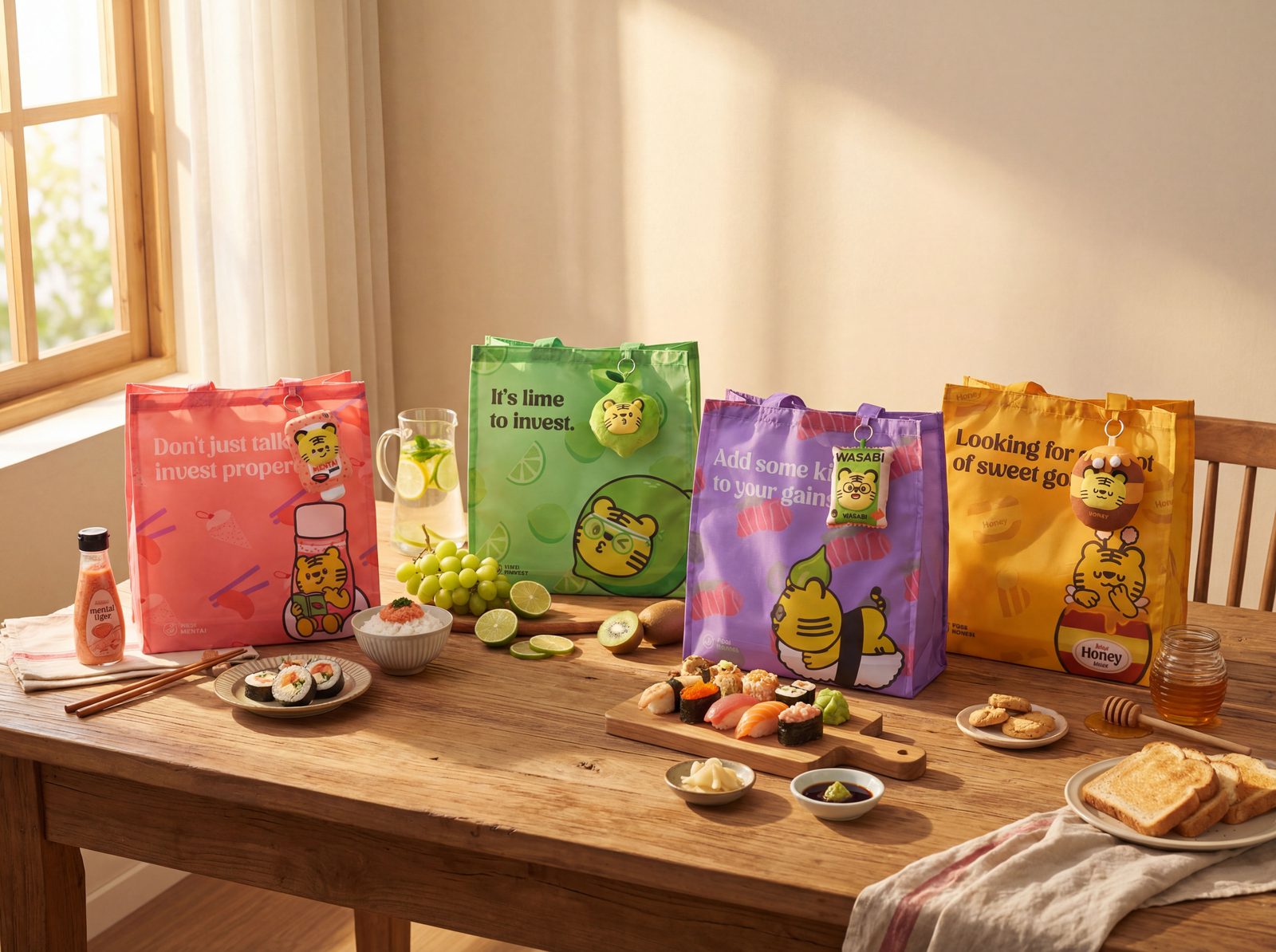
4. What Is the Revision Policy — and How Many Rounds Are Included?
AI imagery that passes initial QC can still miss the mark on brand feel or strategic direction. A revision round is normal. The question is what the provider’s revision policy looks like in practice: is it one round of minor adjustments, or can you redirect significantly if the first batch doesn’t land? Is the revision scope defined, or ambiguous in a way that invites disputes?
Providers with confident production processes tend to have clear, fair revision policies because they’re not worried about scope creep eating their margins. Vague policies — “unlimited revisions” with no defined scope — often signal either inexperience or a process that generates so many revision requests that they’ve stopped trying to manage them properly. Ask for specifics.
5. Does the Provider’s Portfolio Show Work in Your Category?
This matters more than it seems. AI photography for reflective jewellery behaves differently from AI photography for matte-packaged FMCG products. Lifestyle context generation for fashion requires understanding garment drape and scale in a way that skincare backgrounds do not. A provider whose portfolio is 90% beverage shots and tech gadgets has not solved the specific technical problems your product category presents.
Ask to see work in your category. Ask about the specific challenges that category poses and how they handle them. If a provider cannot articulate those challenges, they haven’t encountered them — which means your brief will be the one where they figure it out. Our studio has produced AI-assisted work across beauty, FMCG, fashion, and electronics, and the technical approach differs meaningfully for each. That breadth comes from physical studio experience with those categories, not from prompt experimentation.
The Difference Between AI-Assisted Photography and AI-Only Image Generation
These two things are often marketed identically, and they produce very different results. AI-only image generation takes a reference image and synthesises new versions — new backgrounds, new angles, new contexts — without any new studio capture. The output is fast and can look convincing. It is also inherently limited by whatever information was in the reference image, and it introduces error risk that compounds with each generation step.
AI-assisted photography, which is what we practice at GradePixel, starts with a studio shoot. We capture the product under professional conditions — controlled lighting, accurate surface rendering, art-directed framing — and then use AI to expand that captured material into the full range of deliverables a brand needs. AI multiplies the output of a quality studio shoot. It does not replace it. For brands evaluating this distinction, our hybrid AI and studio workflow guide covers the decision framework in detail.
Red Flags That Signal a Provider Is Not Ready for Professional Work
There are several patterns that consistently appear with providers who cannot deliver professional results. The first is a portfolio that shows only hero images without context — no lifestyle scenes, no multi-angle sets, no platform-formatted variants. Real commercial work produces a deliverable set, not a single impressive shot.
The second is an inability to describe their production process in technical terms. Legitimate providers know what tools they use, why they use them, and what the limitations of those tools are. Vague language about “proprietary AI” or “advanced technology” without specifics is usually covering for a workflow that’s less developed than the marketing suggests.
Third, watch for providers who cannot provide references from brands in your category or at your scale. A studio that has never produced imagery for a brand running at catalogue volume — hundreds of SKUs, strict style guide requirements, fast seasonal cycles — is not equipped to handle that workload without significant learning curve at your expense.
We’d recommend reading our overview of the AI photography landscape in Singapore before making a provider decision — it maps the different provider types and what each is genuinely suited for.
What a Professional AI Photography Brief Should Contain
If you’re prepared with a strong brief, you can evaluate a provider’s competence quickly by how they respond to it. A professional AI photography brief covers the product category and any specific surface or material challenges, the platform or channel the images are destined for, the background treatment (pure white, lifestyle context, or specific environment), the colour accuracy requirements and whether a physical sample or Pantone reference is available, and the final deliverable format including resolution, aspect ratios, and file type.
A capable provider will read this brief and come back with clarifying questions that demonstrate they understand what it requires. An unprepared provider will acknowledge receipt and proceed without questions — then produce images that require extensive revision because the brief was never properly interpreted.
If your project involves product photography specifically, our AI product photography service page covers how we handle this category and what the production process looks like from brief to delivery.
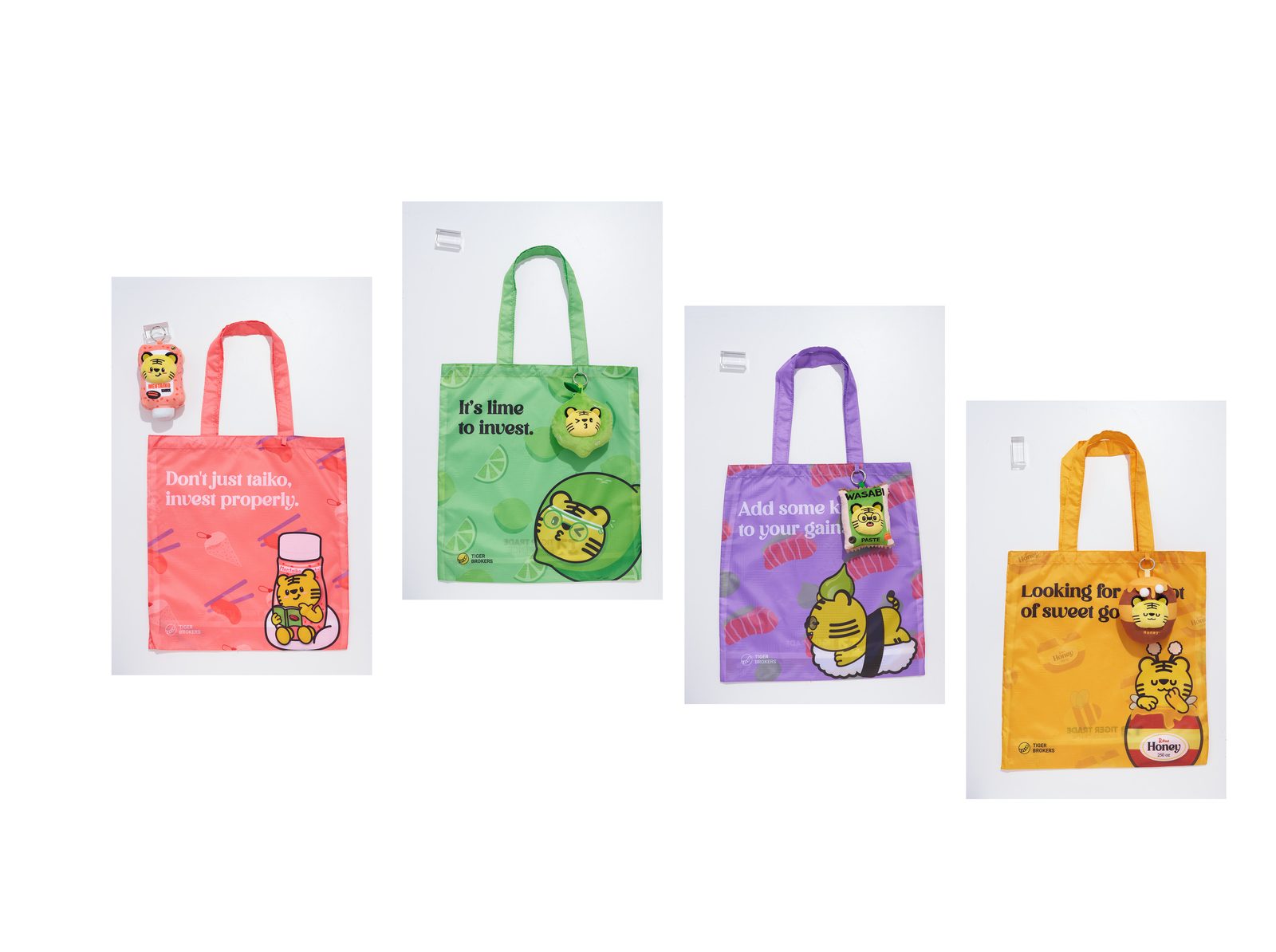
Frequently Asked Questions About AI Photography Services in Singapore
What is the difference between an AI photography service and a traditional photography studio?
A traditional photography studio captures images using physical equipment — cameras, lighting rigs, sets, and props — with a photographer directing the shoot. An AI photography service uses software to generate or modify imagery, either from a product photo you supply or from a studio shoot used as source material. Professional AI photography services combine both: studio capture provides accurate source material, and AI tools expand that into the full deliverable set. The key distinction is whether a real shoot is part of the process.
How do I know if an AI photography provider can handle my product category?
Ask to see examples from your specific category and ask the provider to describe the technical challenges that category presents. Reflective products, complex packaging, garments, and food all require different approaches in both the capture and AI generation phases. A provider who can speak specifically to those challenges — and show work that demonstrates they’ve solved them — has the experience your project needs. A provider who responds generically probably hasn’t worked at your level.
Are AI-generated product images accepted on Lazada, Shopee, and Amazon?
Platform acceptance depends on compliance with each platform’s image requirements, not on whether AI was used in production. Lazada, Shopee, and Amazon each have specifications for background, resolution, aspect ratio, and category-specific content rules. AI-generated images that meet those specifications are accepted. The risk with AI-only providers is that images are produced without those specifications built into the brief, and the brand discovers compliance issues only during upload.
How many images can an AI photography service realistically produce in a day?
Output volume depends heavily on whether a studio shoot is required and on the complexity of the deliverable set. For AI-assisted workflows that start with existing studio-captured assets, a professional provider can produce several hundred platform-ready variants in a day. For projects that require new studio capture first, output is scoped to the shoot capacity — typically 20 to 80 hero images per studio day depending on SKU complexity — with AI variants produced in the following production phase.
What should I prepare before approaching an AI photography service provider?
Prepare a clear brief that covers: the product category and any known surface or material challenges, the target platform or channel, the background treatment you need, any colour accuracy requirements or physical reference materials, and the final deliverable specification including format, resolution, and aspect ratio. Physical product samples are essential for any studio-component workflow. The more specific your brief, the more accurately you can evaluate whether a provider is genuinely capable of delivering what you need.
Choosing the right AI photography service comes down to one question: does the provider have the studio infrastructure and professional workflow to back up their AI capabilities? At GradePixel, our team combines a 3,200 sq ft commercial studio in Singapore with enterprise-grade AI-assisted production — which means every image we deliver is grounded in accurate source capture, not probabilistic generation from a phone photo.
Explore our full AI Photography services →
A title
Image Box text
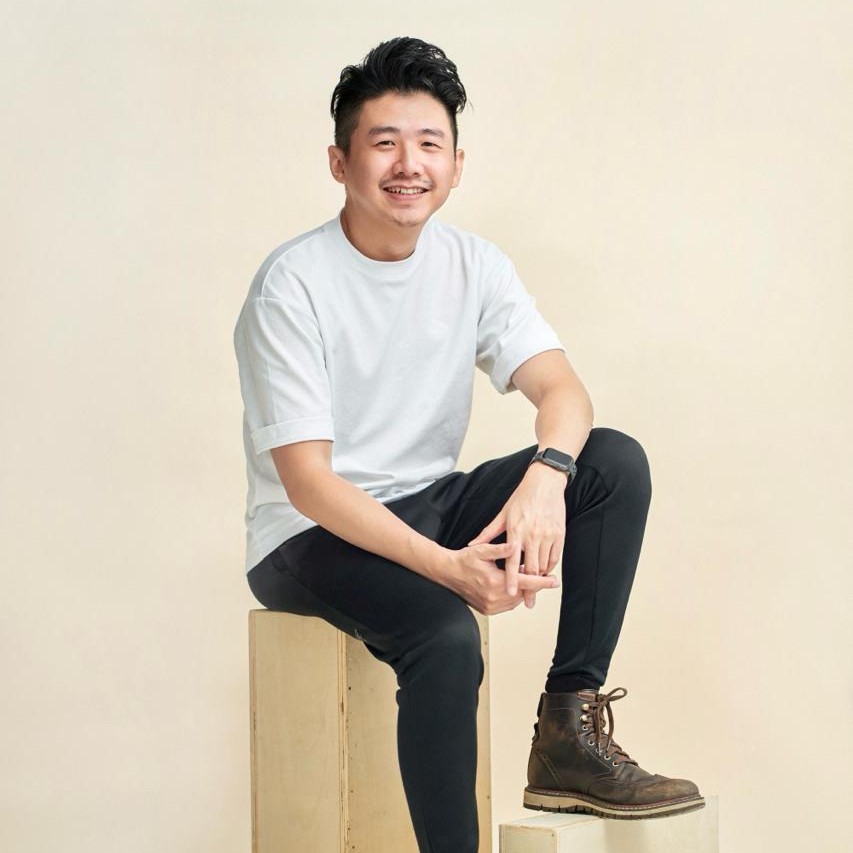
Sylvester Lim - Founder of GradePixel
I’m Sylvester, founder of GradePixel, a commercial photography and video production studio in Singapore with over 10 years of experience. I’ve worked with brands across product, food, fashion, and corporate sectors, helping businesses create clean, effective visuals that drive real results. My focus is always on practical, high-quality production that works for marketing.