
Food and Beverage Photography: What Brands and Restaurants Need to Know
Food and beverage photography are often treated as a single discipline, but they are not. A plate of food and a glass of cocktail require different lighting approaches, different timing decisions, different equipment choices, and a different understanding of how each subject behaves in front of a camera. Understanding the difference between them — and [...]
June 8, 2026 • gradepixel
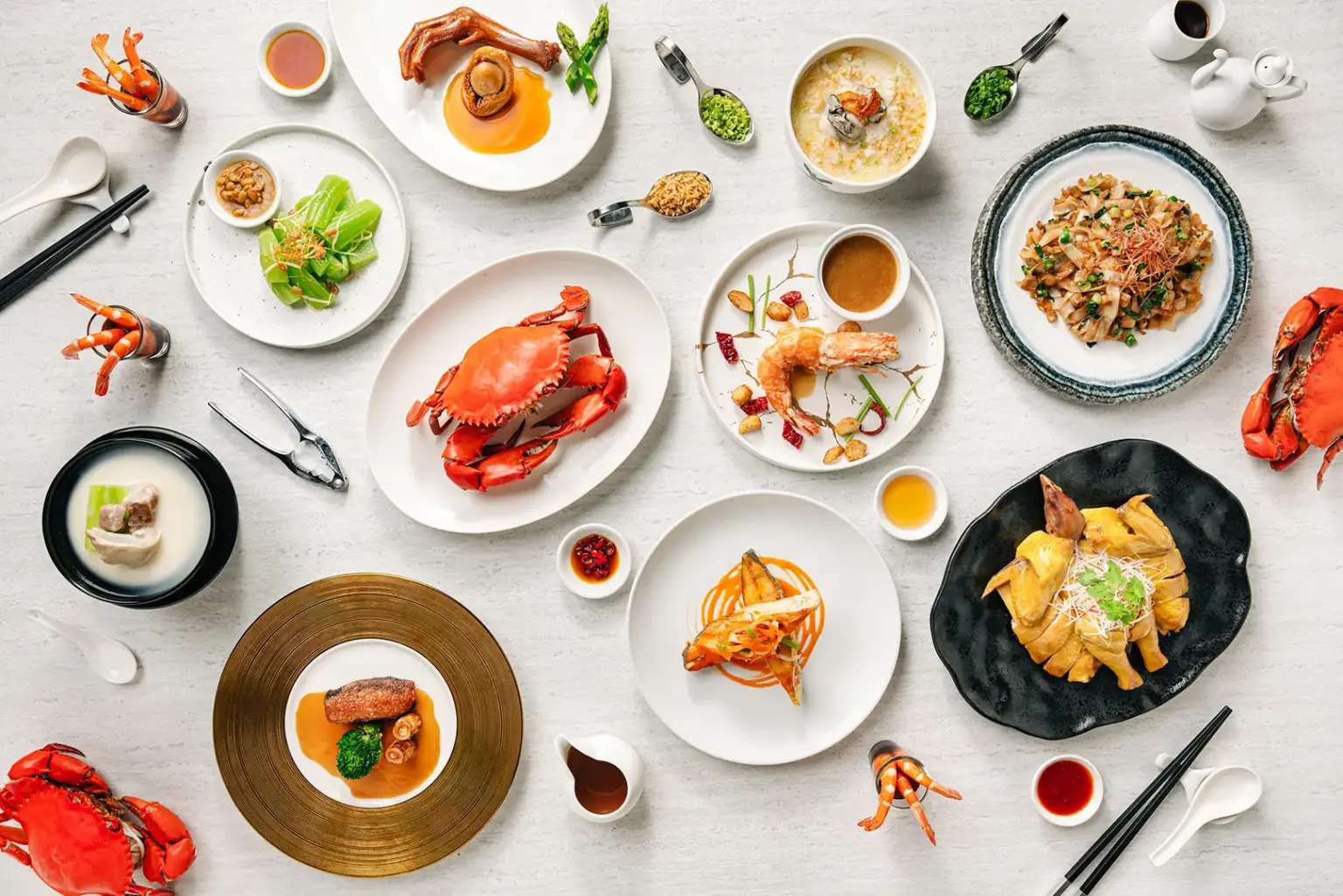
Food and beverage photography are often treated as a single discipline, but they are not. A plate of food and a glass of cocktail require different lighting approaches, different timing decisions, different equipment choices, and a different understanding of how each subject behaves in front of a camera. Understanding the difference between them — and knowing when each applies — helps brands and restaurants brief their shoots more effectively and get better results.
What Is Food and Beverage Photography?
Food and beverage photography is the commercial photography of any food or drink product or preparation — covering restaurant dishes, packaged goods, craft beverages, and branded drinks. It serves restaurants, cafes, bars, FMCG brands, and any business that markets food or drink products visually.
At a commercial level, the goal is the same regardless of the subject: make the product look as good as it genuinely is, accurate to what the buyer will receive, in a way that motivates purchase or preference.
Food Photography vs. Beverage Photography: Key Differences
The technical and logistical differences between photographing food and photographing beverages are significant enough to plan for specifically.
| Food Photography | Beverage Photography | |
|---|---|---|
| Primary lighting approach | Side-lit, soft and diffused | Often backlit or rim-lit to show translucency |
| Main challenge | Freshness, plating consistency | Reflections, condensation, liquid clarity |
| Time pressure | High — food wilts, degrades quickly | Moderate — condensation forms and evaporates |
| Props and context | Plates, cutlery, garnishes, surfaces | Glasses, bottles, ice, straws, bar tools |
| Background choice | Neutral — wide range works | Dark or light — depends on liquid colour |
The most common mistake in mixed food and beverage shoots is using the same lighting setup for both subjects. Food typically looks best with a soft, diffused side light. Beverages — particularly cocktails, wines, and craft drinks — often look best with backlighting or rim lighting that reveals the colour and translucency of the liquid.
Types of Beverage Photography
Cocktail and Spirits Photography
Cocktail photography is one of the most technically demanding categories within F&B photography. The liquid must be clear or correctly coloured, the glass must be clean and free of water marks, the garnish must be fresh, and ice — if present — must be added at the last possible second before shooting.
Lighting: Backlit or rim-lit setups reveal the colour and clarity of cocktail liquids. Position a light source behind and below the glass, diffused through a light panel, to create a glow that shows the drink’s colour without flattening the composition.
Ice: Use large single-block ice cubes rather than small ice chips. Large cubes melt more slowly, look cleaner in images, and reflect light more clearly. Add ice immediately before shooting.
Condensation: For a fresh, chilled look, refrigerate the glass for at least 20 minutes before shooting. Remove from the refrigerator immediately before filling and shooting — condensation appears within seconds and fades within minutes.
Coffee and Hot Beverage Photography
Coffee photography is a high-volume category for cafes, coffee brands, and lifestyle F&B content. The primary challenge is capturing steam and the surface texture of milk-based drinks before they cool and settle.
Steam: Steam is most visible against a dark background. Position a light source to catch the steam column. Shoot within 20–30 seconds of the drink being prepared.
Latte art: For beverages with milk art, shoot from slightly above and close enough for the pattern to fill a significant portion of the frame. A 45-degree angle works for taller cups; near-overhead works for wide, shallow cups.
Consistency for a menu: Coffee and hot beverage photography for a menu or delivery platform requires every drink to be shot at the same angle, in the same cup, with the same framing. Vary the composition between individual hero shots and the menu system.
Packaged Drinks and Bottle Photography
Packaged beverages — bottled water, soft drinks, juice, energy drinks, beer, wine, spirits — require a different approach from pour and serve shots.
Managing reflections: Glass and metal surfaces reflect everything around them, including the camera and the studio ceiling. Use a large softbox or light panel positioned to fill the reflective surface with an even, single-light source. Polarising filters can reduce reflections without affecting the liquid colour.
Backlit bottle shots: For coloured liquids in glass bottles, backlighting reveals the liquid colour in a way that front or side lighting cannot. Position a panel directly behind the bottle, diffused, and expose for the liquid.
Label visibility: For ecommerce and retail images, the label must be clear, correctly oriented, and free from glare or reflection. If a front-lit setup creates glare on the label, try a slightly angled or reflected light source.
Health and Functional Beverages
Health drinks, protein shakes, functional juices, and supplement beverages are a growing category in Singapore’s F&B market. Photography for these products serves two audiences: ecommerce buyers who need product accuracy, and marketing audiences who respond to lifestyle context.
A standard set for a health beverage product includes: a white background hero shot for ecommerce, an ingredient spread showing key active ingredients, and a lifestyle image in a relevant context — gym, kitchen, outdoor setting.
F&B Photography for Different Business Types
Restaurants and Cafes
Menu and social media food and beverage photography are the primary needs. For most restaurants, beverages are shot as part of the menu session — typically after the food images are complete, while the lighting setup is adjusted for liquid subjects.
Consistency across food and beverage images in the same menu is important. The colour treatment, background, and overall visual tone should read as a single, cohesive set — not a mix of styles from different shoots.
→ For more on restaurant-specific food photography requirements, see our guide on food photography for restaurants in Singapore.
FMCG and Beverage Brands
Packaged beverage brands have the most demanding photography requirements in the F&B category — multiple SKUs, multiple platforms, brand compliance, and colour accuracy that must be consistent across the full range.
A typical FMCG beverage brand shoot produces: white background hero shots per SKU, lifestyle placement images, range shots showing the full product family, and detail shots of key product features or packaging elements.
→ For a full breakdown of packaged F&B photography requirements, see our guide on food product photography Singapore.
Bars and Cocktail Venues
Cocktail venue photography combines individual drink photography with atmosphere and lifestyle content. The most effective approach is shooting signature drinks individually against a controlled background, then capturing atmosphere shots in the venue itself — without trying to do both simultaneously with the same setup.
Individual cocktail shots are used for social media, delivery platforms, and press materials. Venue atmosphere shots support brand storytelling, editorial coverage, and event promotions.
What Makes Great F&B Photography?
Five principles that apply across food and beverage regardless of category:
Colour accuracy. The drink or food in the image must match what arrives. For beverages, this is particularly critical — a deep red cocktail that photographs as orange, or a green smoothie that photographs as yellow, creates a mismatch that buyers notice.
Freshness signals. Condensation on a glass, steam rising from a cup, a garnish that is clearly just cut — these details communicate freshness and quality to the viewer before anything else registers.
Brand alignment. Every element of the image — the glass, the surface, the props, the colour palette — should be consistent with the brand’s visual identity. An image that looks professionally produced but tonally mismatched to the brand serves nobody.
Platform compliance. Delivery platform and ecommerce images have specific technical requirements. Meeting them in production rather than in post-processing is more efficient and produces better results.
Consistency across a set. Whether it is a full menu or a product range, images that match in treatment, lighting, and style read as a deliberate, professional set.
GradePixel is a food and beverage photography studio in Singapore. We shoot restaurant menus, beverage campaigns, and F&B brand imagery. Contact us to discuss your project.
Frequently Asked Questions
How is beverage photography different from food photography?
The main differences are lighting and timing. Food typically photographs best with soft, diffused side lighting that reveals texture. Beverages — particularly cocktails and spirits — often need backlighting or rim lighting to show liquid colour and translucency. Beverages also have different timing constraints: condensation forms and fades quickly, steam disappears within seconds, and ice melts continuously.
What lighting works best for drinks photography?
Backlighting is the most commonly used approach for cocktails and coloured liquids — positioning a light panel directly behind the glass reveals the liquid’s colour and depth. For coffee and hot beverages, side lighting combined with a dark background makes steam visible. For packaged bottles, a large softbox positioned to fill the reflective surface prevents harsh, distracting reflections.
Can you shoot both food and drinks in the same session?
Yes, and for most restaurant and cafe shoots this is the most efficient approach. The same session covers food dishes in the first part, then the lighting setup is adjusted for beverage shots. Efficient session planning accounts for the different setup requirements of each category — allocating adequate time for both rather than treating beverages as a quick addition at the end of a food-focused day.
A title
Image Box text
Sylvester Lim - Founder of GradePixel
I’m Sylvester, founder of GradePixel, a commercial photography and video production studio in Singapore with over 10 years of experience. I’ve worked with brands across product, food, fashion, and corporate sectors, helping businesses create clean, effective visuals that drive real results. My focus is always on practical, high-quality production that works for marketing.