
Food Photography for Restaurants in Singapore: A Complete Guide
A practical guide to food photography for Singapore restaurants — from menu shoots and GrabFood listings to campaign visuals and what to look for in a studio
June 10, 2026 • gradepixel
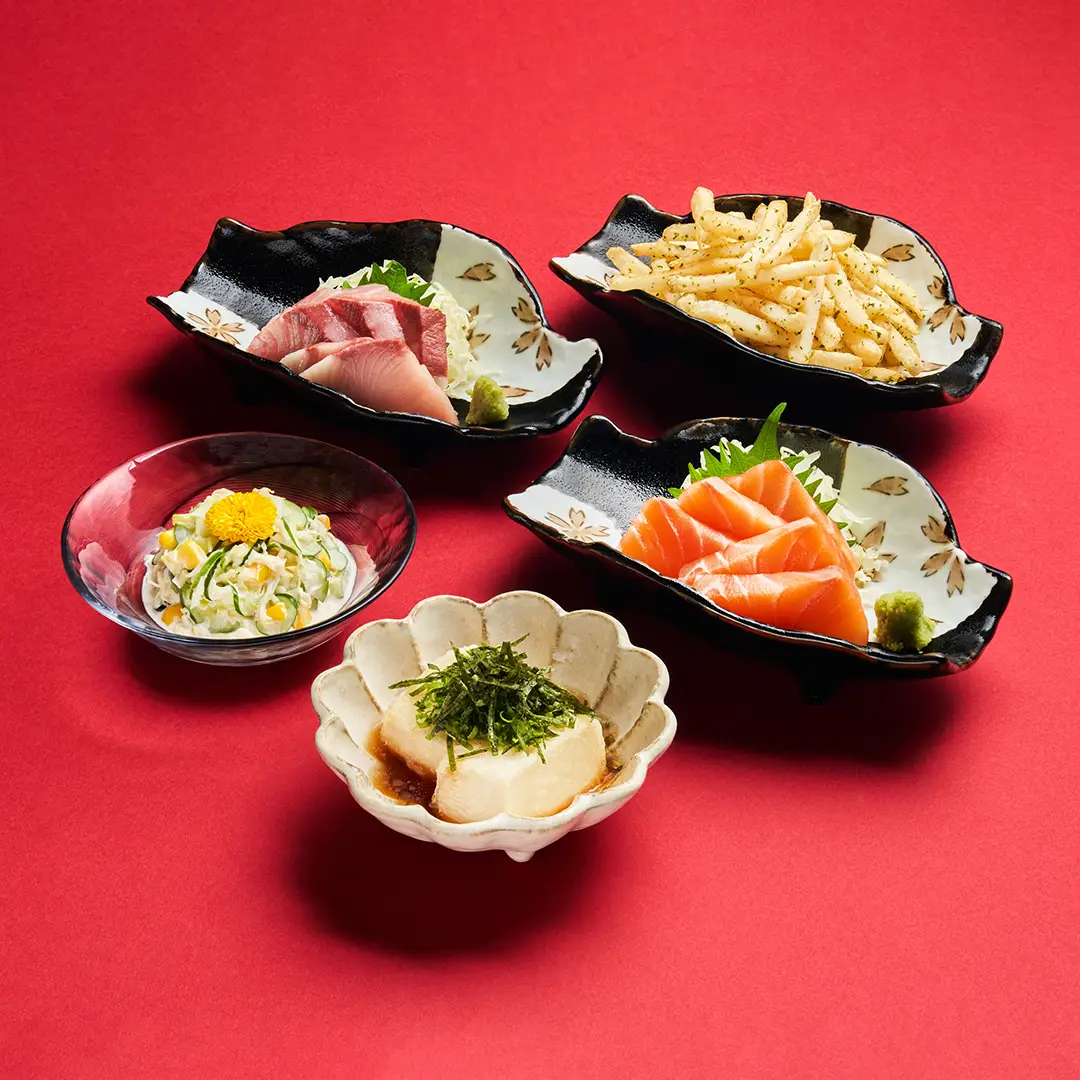
Restaurant food photography is the process of creating images that make dishes look as good as they genuinely are — accurate enough to set the right expectation, and appetising enough to make a buyer tap, click, or walk through your door. Done well, it’s one of the highest-ROI investments a Singapore F&B operator can make.
Singapore’s restaurant and food delivery market is one of the most visually competitive in Southeast Asia. GrabFood, Foodpanda, and Deliveroo list hundreds of restaurants in the same category on the same screen. Before a customer reads your menu name or checks your reviews, they see your listing image. That image — and whether it makes them tap — is the first commercial decision your food photography makes. This guide covers what Singapore restaurants need to know: the image types you need, the technical challenge of a live shoot, how to prepare, and how to choose the right studio.
Why Restaurant Food Photography Is Different
Not all food photography serves the same purpose. Restaurant food photography has specific requirements that separate it from editorial shoots or FMCG brand photography.
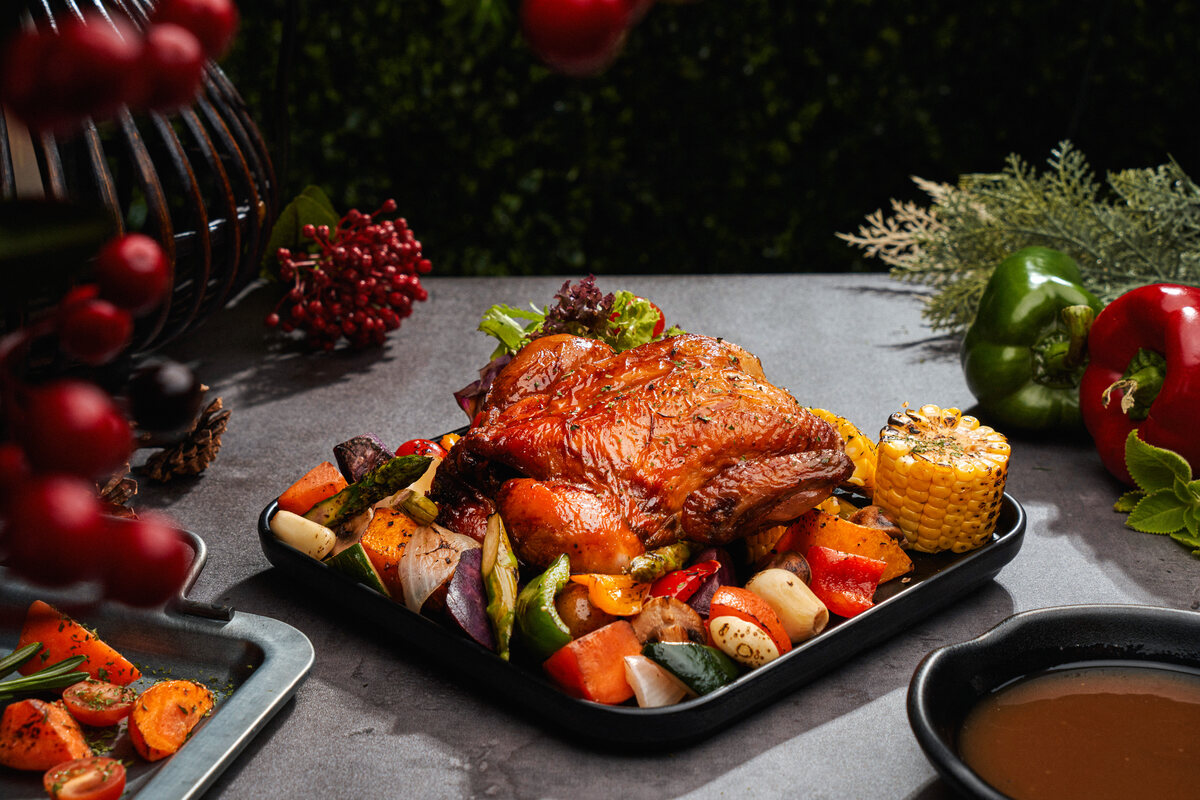
Accuracy is non-negotiable here in a way it isn’t for product photography. A dish must look like what arrives at the table — overproduced images that bear little resemblance to the actual food create a trust gap that shows up in reviews and return rates. The goal is to make the dish look as good as it genuinely is, not to misrepresent it. Volume and consistency matter in equal measure: a menu update might require 20, 40, or 60 dishes to be shot in a matching style. The consistency across the full set — same lighting, same angle rationale, same colour treatment — is what makes a menu look professional rather than assembled from different sources on different days.
Platform requirements add another layer. GrabFood, Foodpanda, and Deliveroo each have image specifications that determine whether your listing image is accepted and how it performs. Not every photographer is familiar with these requirements, and non-compliant images create rework that eats into your launch timeline. For food product photography for packaged F&B and FMCG brands — which involves different considerations from restaurant shooting — see our guide on food product photography in Singapore.
The Different Types of Images Restaurants Need
Menu Photography
Core menu images cover each dish from a consistent angle with consistent lighting, used across print menus, digital in-restaurant displays, and your restaurant’s own website. The priority is accuracy and appetite appeal — in that order. For most plated dishes, a 45-degree elevated angle works best. For bowls, a slightly higher angle reveals the contents. For stacked items like burgers or sandwiches, eye-level shows the height and the layers.
GrabFood and Delivery Platform Photography
Delivery platform images operate under stricter visual requirements than standard menu photography. GrabFood requires square format (1:1) at minimum 1000×1000px — the image should be bright, high-contrast, and have the dish as the clear hero. Cluttered backgrounds, dark images, or heavy styling reduce performance in the listing environment. Foodpanda follows similar square format requirements and encourages multiple images per dish — a main listing image plus detail or angle shots. Deliveroo’s platform tends to perform better with slightly warmer, more appetising tones than the clean clinical style that works on some ecommerce platforms.
For all delivery platforms, your listing image is competing against every other restaurant in the same category on the same page. Brightness, clarity, and appetite appeal are the three criteria that determine whether a customer taps your listing or your competitor’s.
Social Media Food Content
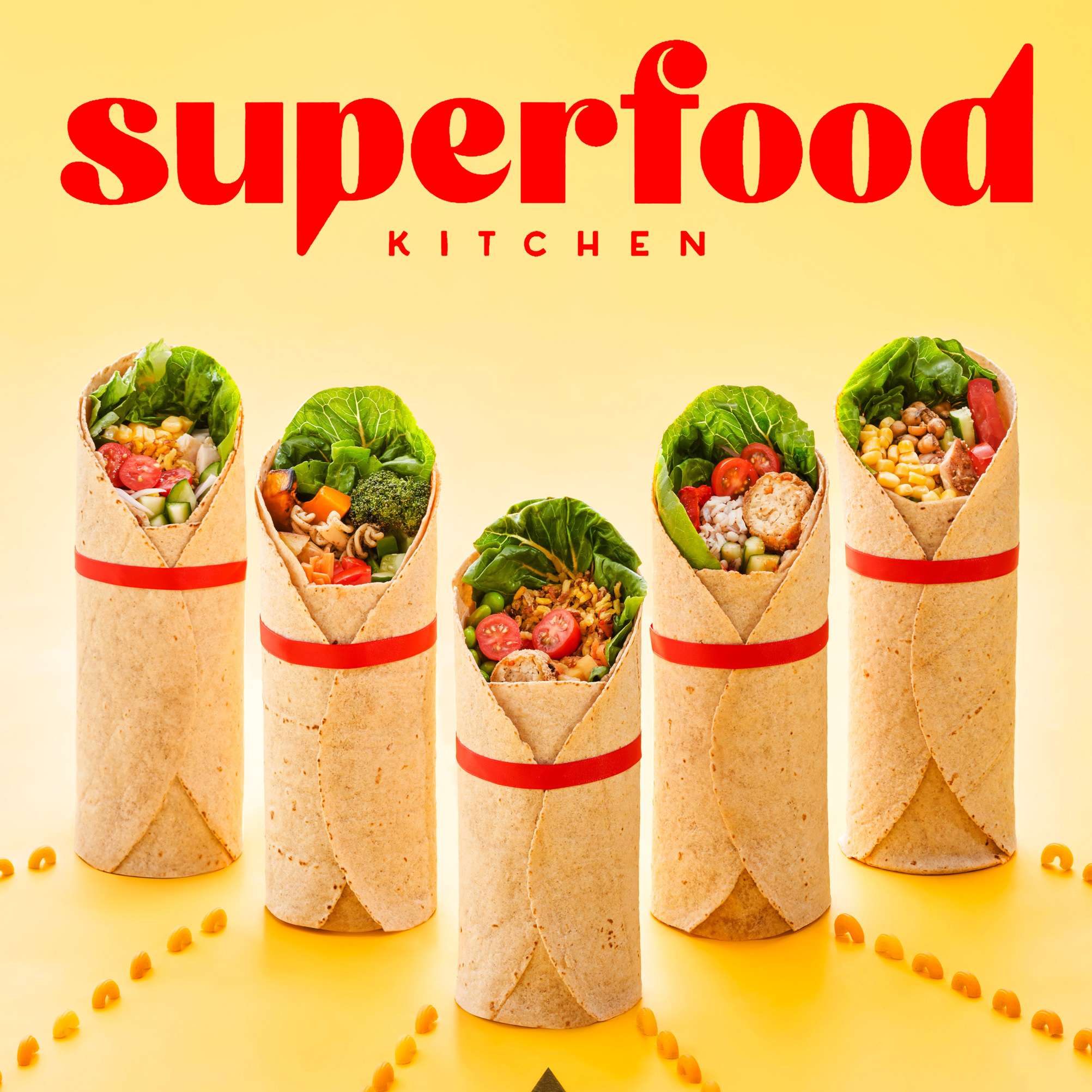
Social media content for restaurants operates with more creative latitude than menu or delivery platform images. Instagram and TikTok reward visual variety — a mix of hero dish shots, behind-the-scenes preparation content, styled flatlay images, and lifestyle shots of people enjoying the food. Consistency across your feed matters more than any single standout image. Restaurants that shoot all their social content in a matching visual style build brand recognition over time; those that mix phone snapshots with professional images create a disjointed impression that signals inconsistency to would-be customers.
Seasonal and Campaign Visuals
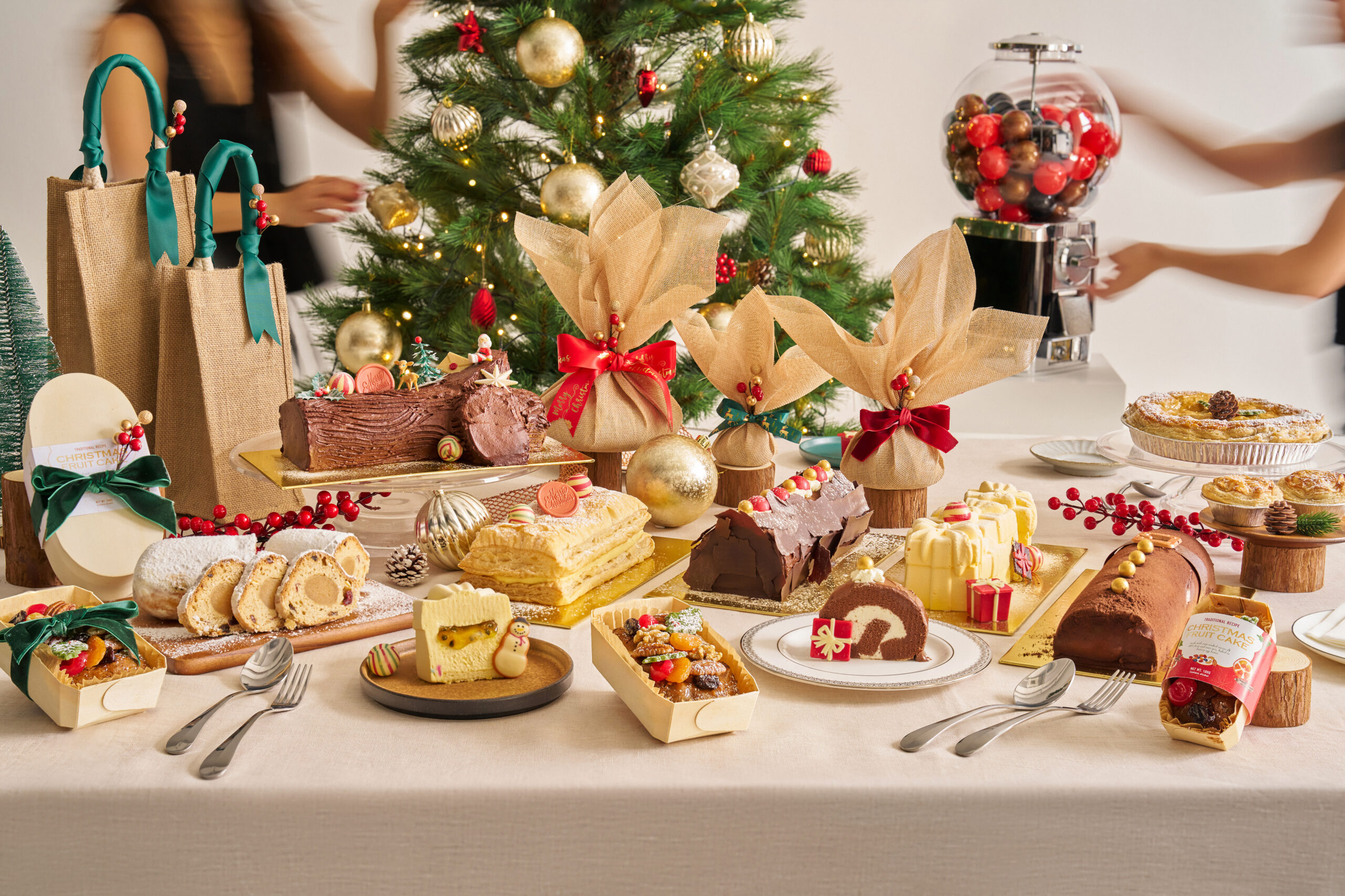
Chinese New Year, Hari Raya, Christmas, and major promotional periods require dedicated visual assets — hero images with seasonal props and colour direction, social media assets, digital advertising creative. Campaign shoots require a longer lead time and a more detailed brief than standard menu photography. The creative direction, props, and colour palette need to be aligned with your brand before the shoot day, not worked out in front of the camera.
The Real Challenge: Keeping Food Looking Perfect Through a Full Shoot
Most restaurant owners don’t anticipate this until they’re in a studio for the first time: you’re not shooting one or two images. A typical menu shoot covers 20 to 30 dishes over three to four hours under hot studio lights. Food doesn’t stay perfect for that long. Ice cream melts. Salads wilt. Sauces dry. Steam rises and fades. Condensation appears on glasses and disappears. After two hours, visible decay starts. After four hours, even careful handling shows damage.
This is why professional food photography produces better results than even a technically capable DIY attempt. The difference isn’t the camera — it’s the workflow built around the food’s behaviour under lights.
Strategic Shooting Order
We don’t ask the kitchen for all 25 dishes at the start. We shoot in waves. Cold dishes first — salads, cold appetisers, desserts. Hot dishes last — curries, soups, grilled items. Within each wave, items that degrade quickly shoot first: anything fried, anything with sauce. Robust items — whole fish, grilled meat, structured dishes — shoot later. A modern Asian concept we shot recently had 25 dishes completed in 3.5 hours with the first salad shot looking as fresh as the last dessert shot. That outcome doesn’t happen by accident.
The Styling Techniques That Actually Work
Dry ice under certain dishes — grilled items, soups, curries — creates the fresh-off-the-stove steam effect that signals heat and freshness. Glycerin drops look like fresh condensation on glasses and ice, but unlike real water, they don’t evaporate or run under studio lights. A light brush of food-safe oil on grilled items keeps them glossy and prevents them from looking dried out — the margin between “glossy” and “greasy” is small, and it’s a precision call. Garnishes, herbs, and fresh components go on the plate two to three minutes before shooting, not when the dish arrives. Sauces that separate or dry get re-applied fresh moments before the shot.
Environment Control and the Two-Person Workflow
Studio temperature matters. Cool enough that ice cream doesn’t melt and whipped cream holds shape, but not so cold that condensation forms on everything immediately. LED lighting systems generate significantly less heat than tungsten setups, which makes a measurable difference over a four-hour session. The angle and positioning of every dish is calculated before it arrives in front of the camera — time spent hunting for the right angle is time the food is deteriorating.
A professional food shoot separates roles. The photographer focuses on composition and lighting. A dedicated food handler manages the food — knowing when something needs refreshing, when sauce needs re-application, when a garnish is wilting, when to call for a fresh plate. A photographer can’t shoot while also babysitting the food. The two-person workflow is what allows a full shoot to stay on schedule while maintaining quality across every frame.
For practical guidance on planning your shoot — dish selection, timing, what to brief your studio on — see our guide on food photography tips.
How to Prepare Your Restaurant for a Food Photography Shoot
Finalise the dish list before booking — not the day before, before booking. Every dish swap or addition during a shoot disrupts the planned shot list and affects the number of dishes you can complete in the session. Confirm the full list, including any variant shots, before the shoot date is locked.
Plate each dish exactly as it would be served. The photographer is not the chef. Food arriving in front of the camera should already be plated to your standard. If presentation varies between staff, brief the team specifically for shoot preparation. Prepare garnishes, sauces, and finishing elements in advance — these go on as close to the shoot moment as possible, not when the dish arrives.
Share brand and visual guidelines upfront. If your restaurant has specific colours, a styling aesthetic, or reference images you like, brief the photographer before the shoot. Identify your hero dishes — signature items that deserve more time, more angles, and more styling attention. Brief the photographer on priorities before the day starts, not when you’re already three dishes in.
Studio Shoot vs. On-Location Shoot for Singapore Restaurants
Both options work for different restaurant types and different image needs.
| Studio Shoot | On-Location Shoot | |
| Light control | Full — consistent throughout the day | Variable — changes with time of day and weather |
| Consistency | High — same setup for every dish | Moderate — ambient conditions shift |
| Kitchen access | Studio kitchen (ingredient prep, temperature control) | Your kitchen — familiar but potentially disruptive to operations |
| Ambiance capture | Requires set building | Natural — your dining room, décor, and atmosphere |
| Best for | Menu shoots, delivery platform images, high-volume catalogue | Lifestyle and ambiance content, environmental storytelling |
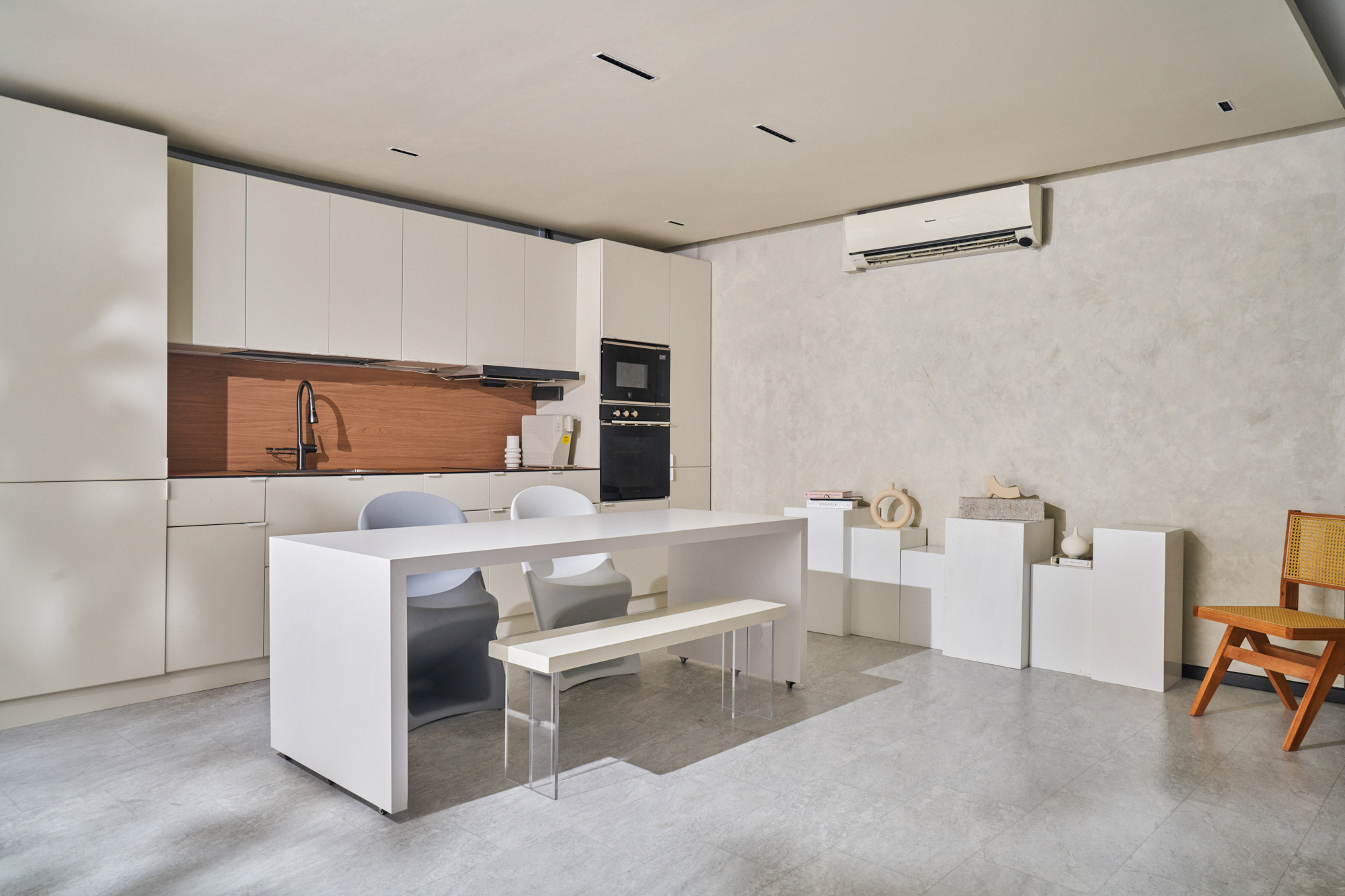
For most menu and delivery platform shoots, a studio is the more reliable option — controlled lighting, consistent colour temperature across the full session, and no disruption to restaurant operations during service hours. For content that specifically relies on your restaurant’s interior and atmosphere, on-location shooting is the right choice. The two approaches serve different image types; a full-year content plan often uses both.
Choosing a Food Photography Studio in Singapore for Restaurant Work
Beyond portfolios, these are the factors that determine whether a studio is the right fit for a restaurant shoot. Experience with your food category matters — a studio that specialises in fine dining plated dishes has a different approach from one that regularly shoots hawker food, fast casual, or packaged F&B. Look for sample work specifically from your category.
Knowledge of delivery platform requirements is separate from general food photography skill. Not all photographers are familiar with GrabFood’s image specifications, Foodpanda’s formatting, or how images perform on delivery platforms. A studio that regularly shoots for Singapore delivery apps will deliver compliant, platform-ready files without requiring additional post-shoot adjustment. Ask specifically — “have you shot for GrabFood listings before” is a direct question that filters quickly.
Turnaround time, what post-production is included in the quote, and how the studio maintains colour consistency across large batches are the three practical questions that determine whether the studio is the right operational fit. A consistent set of 30 images is harder to produce than one standout shot — the portfolio should demonstrate both.
What Affects the Cost of Restaurant Food Photography in Singapore
Restaurant food photography is priced by session — half-day or full-day — with dish count, complexity, and deliverable type as the main cost drivers. A straightforward menu shoot covers more dishes per session than a shoot involving elaborate plating, sauce effects, lifestyle context, or multiple delivery platform variants per dish. On-location shoots add travel time and setup time relative to a studio session, which affects what can realistically be achieved in the same number of hours. For a full breakdown of what drives pricing and what typical ranges look like in Singapore, see our guide on food photography pricing in Singapore.
Frequently Asked Questions About Restaurant Food Photography in Singapore
How many dishes can be photographed in one day?
For straightforward clean-styled menu shots, a full-day session typically covers 20 to 35 dishes. This varies with dish complexity — a simple packaged product takes less setup time than an elaborate plated dish with garnishes, sauce drizzle, and steam effects. A pre-shoot brief that prioritises hero dishes and confirms the shot list in advance is the single biggest factor in maximising what you can cover in a session.
Should I shoot at my restaurant or at a studio?
For menu and delivery platform images, a studio is usually the better choice — consistent lighting, controlled environment, and no disruption to restaurant operations. For content that specifically needs your restaurant’s interior, atmosphere, or branding environment, on-location is the right call. Most restaurants benefit from a studio session for the bulk of their menu photography and an occasional on-location shoot for lifestyle and ambiance content.
Do I need a food stylist for restaurant photography?
For most restaurant menu shoots, an experienced food photographer handles basic styling as part of the shoot scope. Dedicated food styling becomes important for campaign work, editorial content, or any shoot where the visual treatment goes beyond showing the dish accurately. Ask your studio whether styling is included in their scope — the answer varies significantly between studios.
Can you shoot for GrabFood and Foodpanda requirements in one session?
Yes. A single shoot can produce images that meet the specifications of multiple delivery platforms simultaneously. The key is confirming platform requirements — format, resolution, colour profile — before the session starts, so files are delivered ready for upload to each platform without additional formatting work on your end.
How fresh does the food need to be when it arrives on set?
For hot dishes, as fresh as possible — which is why we brief the kitchen team and coordinate timing carefully. For cold dishes and anything with structure, a tight window between kitchen and camera matters less. The shoot order and food handling workflow is what protects image quality across a multi-hour session, not just the freshness of each individual dish when it arrives.
Conclusion
Singapore’s F&B scene is one of the most visually competitive in the region — the restaurants that convert on GrabFood, Instagram, and their own websites are the ones whose food photography makes people hungry before they’ve read a single word. At GradePixel, we’ve shot menu and delivery platform content for restaurants across Singapore, from hawker-style concepts to fine dining, and we understand what it takes to keep food looking perfect through a full multi-hour session.
Explore our Food Photography Services →
A title
Image Box text
Sylvester Lim - Founder of GradePixel
I’m Sylvester, founder of GradePixel, a commercial photography and video production studio in Singapore with over 10 years of experience. I’ve worked with brands across product, food, fashion, and corporate sectors, helping businesses create clean, effective visuals that drive real results. My focus is always on practical, high-quality production that works for marketing.