
What Is Interior Photography? Types, Techniques & Why It Matters
A beautiful space can look unremarkable in a poorly shot photo. A modest space, photographed well, can look spacious, bright, and inviting. The gap between these two outcomes isn’t the space itself — it’s the photography. Interior photography is the discipline that determines how a room, a property, or a venue is perceived before anyone [...]
July 2, 2026 • gradepixel
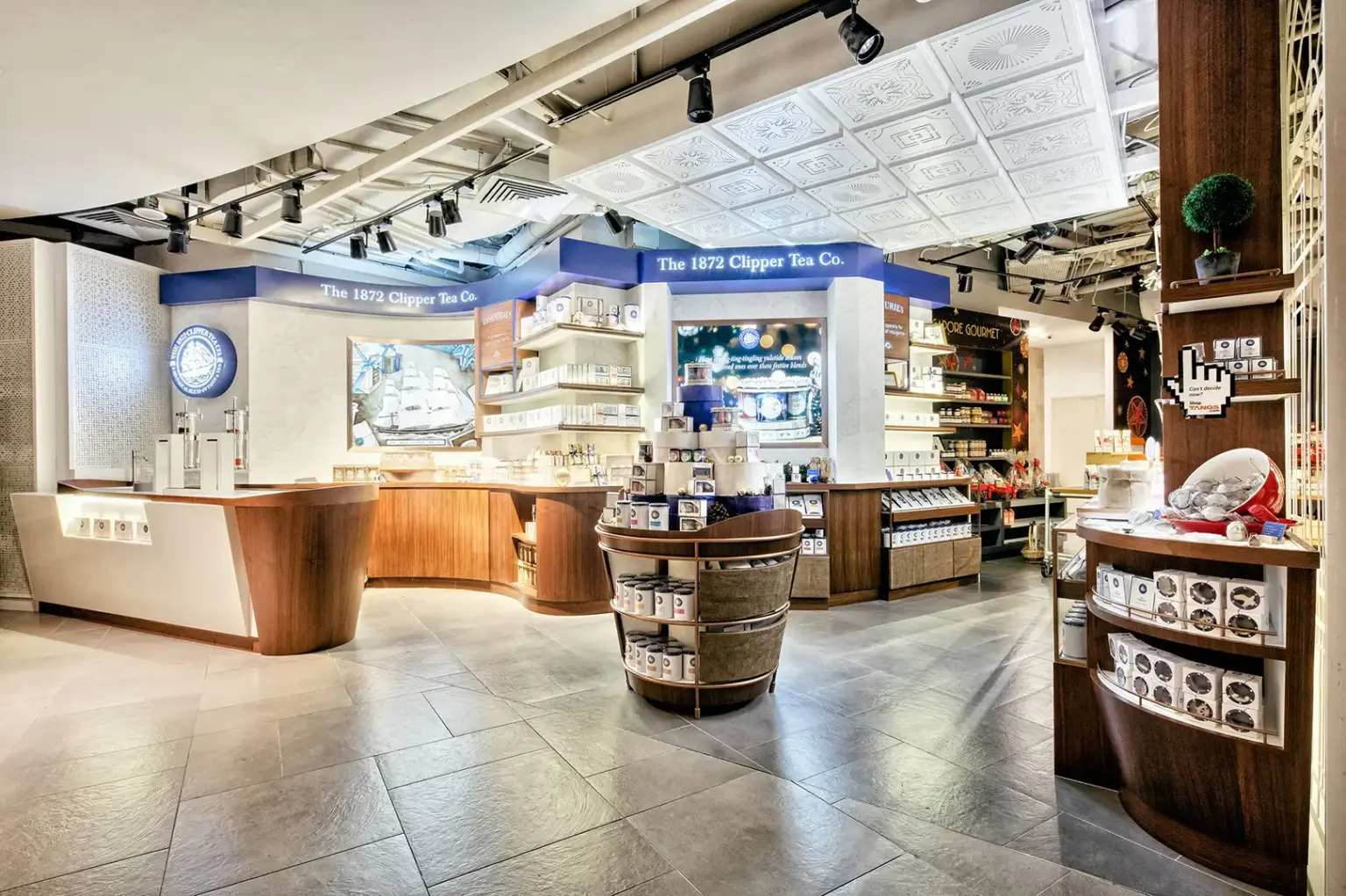
A beautiful space can look unremarkable in a poorly shot photo. A modest space, photographed well, can look spacious, bright, and inviting. The gap between these two outcomes isn’t the space itself — it’s the photography. Interior photography is the discipline that determines how a room, a property, or a venue is perceived before anyone steps inside it.
This guide covers what interior photography is, the main types and their applications, the core techniques that separate professional results from a quick phone snapshot, and why the discipline matters across real estate, hospitality, and design.
What Is Interior Photography?
Interior photography is the photography of indoor spaces — capturing rooms, layouts, design details, and the overall feel of an environment. It’s used across real estate, hospitality, interior design, retail, and commercial property marketing.
The discipline combines technical skill with judgement. Technically, it requires wide-angle lenses, perspective correction, and careful handling of the lighting contrast between bright windows and darker interior areas. Beyond technique, it requires an understanding of how to present a space at its best — choosing angles that show scale and flow, balancing accuracy with appeal — while remaining true to what the space actually looks like.
Types of Interior Photography
Interior photography isn’t a single application. The same underlying skills are applied differently depending on the purpose of the images and who will be viewing them.
Real Estate Photography
Photography of residential or commercial properties for sale or rent listings. The priority is accuracy combined with presentation — making spaces look as bright, spacious, and well-maintained as possible, within the bounds of realism. Buyers and tenants who feel misled by photos when they view a property in person are unlikely to proceed, so the goal is always to represent the space honestly while showing it at its best.
→ For a complete guide to real estate photography in Singapore, see our article on real estate photography Singapore.
Hospitality Photography
Hotels, resorts, and serviced apartments photographed for booking platforms, brand websites, and marketing materials. Hospitality photography often combines wide shots of rooms and common areas with detail shots of amenities — the goal is to communicate not just what a space looks like, but what staying there would feel like.
→ For a detailed guide to hospitality photography, see our article on hotel and hospitality interior photography in Singapore.
Interior Design Photography
Documentation of completed interior design projects — produced for designer portfolios, award submissions, press features, and client presentations. The emphasis shifts from “is this space available and how big is it” to “what was the design intent, and how was it executed.” Materials, finishes, lighting design, and spatial composition all matter more here than they do in real estate photography, where the priority is simply showing the space clearly.
Architectural Interior Photography
Focuses specifically on the architectural elements of a space — structural lines, spatial relationships, the interplay between volumes and light. This type often takes a more graphic, composition-driven approach than real estate photography, treating the interior as a subject in its own right rather than primarily as a backdrop for a transaction.
Architectural interior photography overlaps significantly with architectural photography more broadly — a discipline focused on buildings and structures, often including both exteriors and interiors, with an emphasis on form, line, and the relationship between a building and its environment.
Restaurant and F&B Interior Photography
Captures the ambiance, design, and atmosphere of dining and hospitality venues. Used for marketing, press coverage, and online listings — restaurant interior photography often needs to convey mood (warm, energetic, intimate, premium) as much as it documents the physical layout.
Retail and Commercial Space Photography
Showcases retail environments, office spaces, and commercial interiors — used for marketing, leasing materials, or brand documentation. The audience here is often businesses evaluating a space (for leasing) or customers forming an impression of a brand’s physical presence.
Interior Photography vs. Architecture Photography
These two terms are often used interchangeably, but there’s a useful distinction. Architecture photography frequently focuses on buildings as structures — exteriors, facades, the relationship between a building and its surrounding environment, and the architectural form as a whole. Interior photography focuses specifically on the usable, livable space inside — rooms, layouts, and how people experience the space from within.
There’s significant overlap, particularly in architectural interior photography, where the interior is treated with the same compositional rigour — emphasis on line, form, and spatial relationships — that’s typically associated with architecture photography more broadly. In practice, many photographers work across both, and a single project (documenting a new building, for example) might include both exterior architectural shots and interior photography.
Key Techniques in Interior Photography
Wide-Angle Lenses
Wide-angle lenses — typically in the 14–24mm range on a full-frame camera — are essential for showing the full extent of a room in a single frame. Without a wide enough lens, a photographer either can’t capture the whole space or has to stand somewhere impractical (in a hallway, against a wall) to get everything in.
That said, wider isn’t always better. Extremely wide lenses (under 14mm) introduce distortion that can make rooms look unnaturally elongated or curved, particularly toward the edges of the frame — and a viewer’s sense of a space’s actual proportions can become misleading. The goal is a lens wide enough to show the space clearly, with distortion controlled enough that the result still looks realistic.
Perspective Correction
One of the most recognisable signs of amateur interior photography is converging vertical lines — walls and door frames that lean inward or outward, particularly toward the top or bottom of the frame. This happens naturally with wide-angle lenses, especially when the camera is tilted up or down.
Perspective correction — done either in-camera with specialised lenses (tilt-shift lenses) or in post-production using lens correction tools — straightens these verticals, producing a cleaner, more professional look. Getting the camera level to begin with (both side-to-side and up-down) significantly reduces how much correction is needed afterward.
Two-Point Perspective
Two-point perspective is a compositional approach where vertical lines remain perfectly vertical in the image, while horizontal lines (like the edges of a room where walls meet the ceiling or floor) converge toward two vanishing points, usually off to the sides of the frame. This is the look most associated with clean, professional architectural and interior photography — it gives images a sense of order and precision.
Achieving two-point perspective consistently requires a level camera position and often some perspective correction in post-production to fine-tune the result.
HDR and Exposure Blending
Interior spaces frequently contain a much wider range of brightness than a camera sensor can capture in a single exposure — a bright window next to a comparatively dark interior, for example. A single exposure typically forces a choice: expose for the window (and the interior goes dark) or expose for the interior (and the window becomes a blown-out white rectangle).
HDR (high dynamic range) techniques address this by capturing multiple exposures of the same frame — one for the bright areas, one for the dark areas, sometimes more — and blending them in post-production into a single image where both the window view and the interior are properly exposed. Done well, this produces a natural-looking result; done poorly, it can produce an artificial, overly processed look that experienced viewers often find off-putting.
Lighting Balance
Beyond the dynamic range challenge, interior spaces often mix different light sources — daylight through windows, warm-toned interior lighting (lamps, downlights), and sometimes fluorescent or LED lighting with yet another colour temperature. Each of these light sources has a different colour temperature, and mixing them without correction produces colour casts — areas of the image that look unnaturally orange, blue, or green.
Managing this requires either controlling the lighting during the shoot (turning certain lights off, supplementing with photography lighting) or careful colour correction in post-production to bring everything into a consistent, natural-looking balance.
What Makes a Great Interior Photo?
Five principles that apply across all types of interior photography:
Composition and lines. Strong interior photography uses the lines of a room — walls, ceiling edges, flooring patterns — to create a sense of structure and lead the viewer’s eye through the space.
Light balance. Bright, evenly lit images that avoid both blown-out windows and dark, gloomy interiors. This is often the single biggest factor distinguishing professional from amateur interior photography.
Styling and presentation. Decluttered, well-arranged spaces photograph dramatically better than lived-in, cluttered ones — regardless of how good the underlying photography technique is.
Accurate colour. The colours in the image — wall colours, materials, finishes — should match reality. This matters for trust (in real estate, particularly) and for design photography, where material colour is often central to the design story.
Sense of scale. A great interior photo gives viewers an accurate sense of how large a space actually is — neither artificially inflated through extreme wide angles nor compressed in a way that makes a space look smaller than it is.
Interior Photography in Singapore
Singapore’s interior photography market spans a wide range of needs — from real estate listings and hospitality marketing to interior design portfolios and commercial space documentation. Each application has slightly different priorities, but all benefit from the same underlying technical foundation: wide-angle work, perspective correction, and balanced lighting.
→ For practical tips on lighting, composition, and equipment for interior photography, see our guide on interior photography tips.
→ To discuss your interior photography needs, visit our interior photography studio in Singapore.
Frequently Asked Questions
What equipment is used for interior photography?
The core equipment for interior photography is a wide-angle lens (typically 14–24mm on a full-frame camera), a sturdy tripod with a level — essential for keeping the camera straight and minimising perspective distortion — and, often, a setup for capturing multiple exposures for HDR blending. Some photographers also use specialised tilt-shift lenses for in-camera perspective correction, though this is less common than correcting in post-production.
How is interior photography different from real estate photography?
Real estate photography is a specific application of interior photography, focused on properties for sale or rent, with an emphasis on accuracy and making spaces look appealing to potential buyers or tenants. Interior photography more broadly covers other applications too — hospitality, interior design portfolios, restaurant photography — each with slightly different priorities, but all built on the same core techniques.
Do interior photographers also do architecture photography?
Often, yes — there’s significant overlap between the two disciplines, particularly for architectural interior photography, which applies the compositional approach typically associated with architecture photography to interior spaces. Many photographers who specialise in interiors also shoot building exteriors, and projects that document a new building or renovation frequently require both.
GradePixel is an interior photography studio in Singapore. We produce photography for real estate, hospitality, restaurants, and interior design portfolios. Get in touch to discuss your project.
A title
Image Box text
Sylvester Lim - Founder of GradePixel
I’m Sylvester, founder of GradePixel, a commercial photography and video production studio in Singapore with over 10 years of experience. I’ve worked with brands across product, food, fashion, and corporate sectors, helping businesses create clean, effective visuals that drive real results. My focus is always on practical, high-quality production that works for marketing.