
What Is Food Photography? Types, Styles & Why It Matters
Learn what food photography is, the different types and styles, and why quality food visuals directly impact sales for restaurants and F&B brands
July 8, 2026 • gradepixel
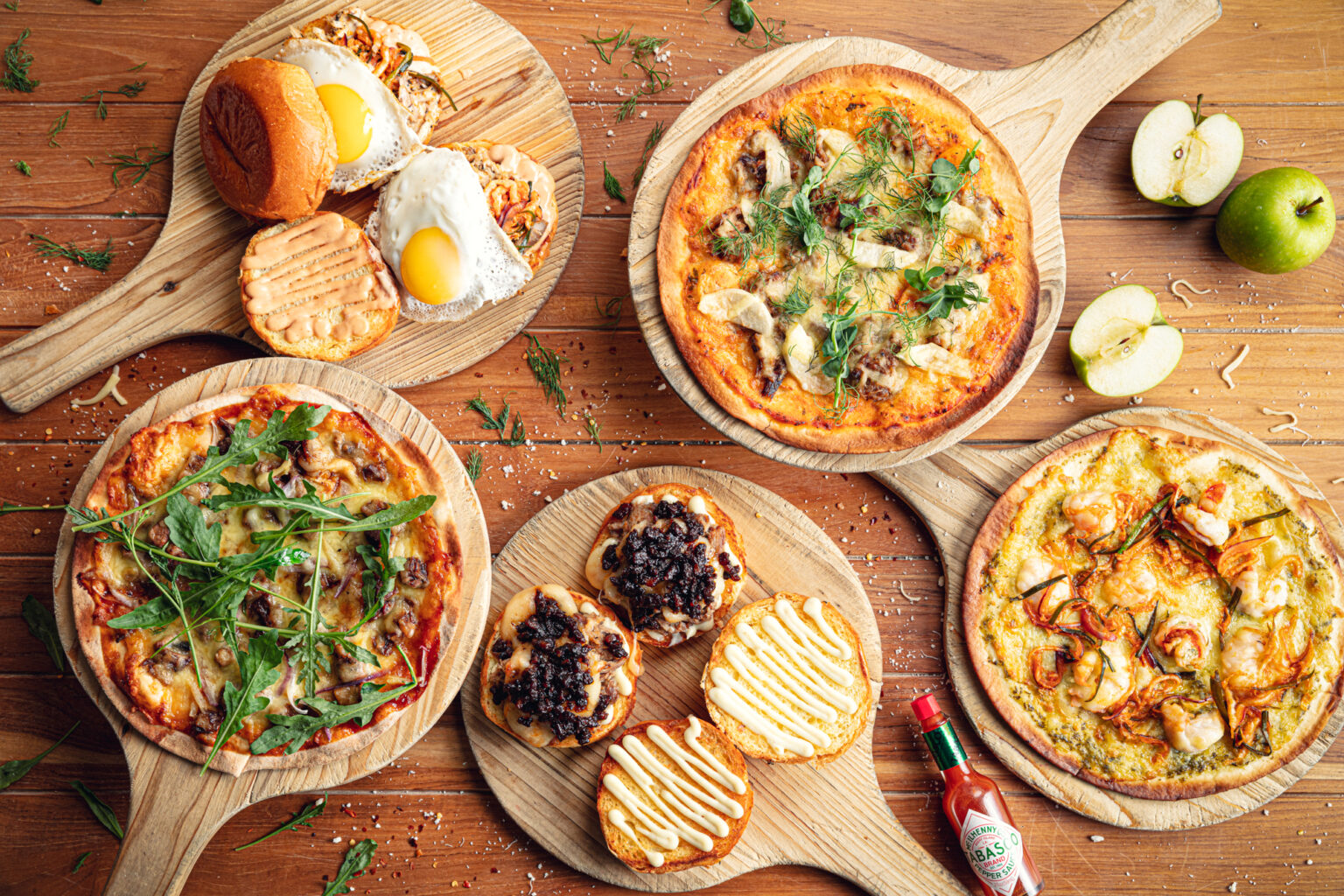
In the food and beverage industry, a photograph decides whether someone places an order, opens a menu, or scrolls past. Before a dish is tasted, before a brand is trusted, the image does the work. Food photography is one of the most commercially direct forms of photography — the output feeds directly into purchasing decisions. This guide covers what it is, the different types, and why it matters across restaurants and F&B brands.
What Is Food Photography?
Food photography is the practice of photographing food and beverages for commercial, editorial, or marketing purposes. It combines controlled lighting, food styling, and deliberate composition to make dishes and products look visually appealing and accurate. The goal ranges from driving restaurant orders and delivery platform clicks to building brand identity for packaged F&B products.
Unlike general photography, every variable in food photography is intentional — the angle, the light source, the garnish, the background surface, the colour temperature. Nothing is accidental.
Types of Food Photography
Different business contexts require different approaches. Understanding which type of food photography you need prevents mismatched briefs and wasted shoot time.
Restaurant and Menu Photography
The foundational category for any F&B establishment. Menu photography covers every dish from a consistent angle, with consistent lighting, producing images that accurately represent what arrives at the table.
The priority here is appetite appeal combined with accuracy. Dishes that look dramatically different from their photographs create returns, complaints, and lower platform ratings. A well-executed menu shoot builds the trust that gets customers through the door — or clicking the order button.
Delivery Platform Photography
This is menu photography with additional constraints. GrabFood, Foodpanda, and Deliveroo all require bright, high-contrast images that perform well in a competitive listing environment where your dish is displayed alongside dozens of similar options.
The image is the only selling tool you have at the listing stage. No description, no review, no price context — just the photograph. A compelling delivery platform image directly increases click-through rate and order volume.
→ For a complete guide to shooting for restaurant and delivery contexts, see food photography for restaurants in Singapore.
Campaign and Advertising Photography
Campaign food photography is the most complex and highest-investment category. It involves full art direction — a specific mood, a narrative, a visual language — along with food styling, props, controlled lighting, and advanced post-production.
The output is used in paid advertising, seasonal campaigns, out-of-home placements, and premium brand collateral. Campaign images are not meant to show what the food is — they are meant to create a feeling around it.
Food Product Photography
Food product photography focuses on packaged or manufactured food products rather than freshly prepared dishes. The subjects are packaged goods — bottles, tins, boxes, pouches — shot for retail shelves, ecommerce listings, brand catalogues, and trade marketing.
The priority shifts from appetite appeal to accuracy and brand compliance. Label clarity, colour fidelity, and platform compliance (Shopee, Lazada, FairPrice) are the key performance criteria.
→ See how food product photography works for F&B brands at food product photography Singapore.
Editorial and Cookbook Photography
Editorial food photography is storytelling-led. Used in magazines, cookbooks, branded editorial content, and restaurant press materials, this category has more creative latitude — the image is meant to evoke an experience rather than simply document a dish.
Styling in editorial photography tends to be more considered and layered: deliberately imperfect props, textured surfaces, negative space, natural light. The goal is to make the reader feel something, not just identify a dish.
Social Media Food Content
Social media food content occupies the space between editorial and commercial photography. The images are styled and produced — not casual snapshots — but the format and pacing are driven by platform conventions.
Short-form content (Instagram Reels, TikTok) often combines still food photography with motion, behind-the-scenes footage, and recipe-style presentation. The visual bar is high because social media audiences have been conditioned by a constant stream of well-produced content.
What Makes a Good Food Photo?
Regardless of the shoot type, strong food photography comes down to five fundamentals.
Light that reveals texture. The best food photography uses light to make textures visible — the char on a grill mark, the glaze on a pastry, the foam on a cocktail. Flat, undirected light eliminates texture and makes food look dull.
Angles chosen for the food, not the photographer. Different dishes need different angles. A bowl of ramen needs a slightly elevated 45-degree angle to show broth depth and topping arrangement. A tall burger needs eye-level to convey height. A flatlay works for a spread or a plated dessert. The angle serves the food, not convention.
Colour accuracy. The dish in the image must match the dish that arrives. Colour drift — from poor white balance, incorrect post-production, or mismatched colour profiles — is the fastest route to customer disappointment and returns.
Food styling that holds up on camera. Food that looks good to the naked eye often photographs differently. Steam wilts garnishes. Sauces spread. Ice melts. Professional food styling accounts for these changes and prepares each dish specifically for the camera.
Consistency across the catalogue. For a restaurant shooting a full menu, or a brand shooting a product range, visual consistency is as important as quality. Images that match in lighting, angle, and treatment read as professional and intentional. Images that vary feel like they were collected from different shoots.
Food Photography vs. Regular Photography
| Factor | Food Photography | Regular Photography |
|---|---|---|
| Primary goal | Make food look appealing and accurate | Capture a moment or subject |
| Lighting | Fully controlled and intentional | Natural or ambient |
| Food styling | Essential | Not applicable |
| Post-production | Colour-critical, consistency-focused | General correction |
| Output | Commercial-ready files for specific platforms | General use images |
The discipline gap is significant. Food photography requires a different skill set — understanding food behaviour, light-to-texture relationships, and the colour science of food — that most general photographers are not trained in.
Why Food Photography Matters for Restaurants and Brands
The commercial case is measurable.
Delivery platforms: A restaurant’s listing image is competing with every other restaurant in the same category on the same screen. Image quality is the primary differentiator at the point of discovery — before pricing, before reviews.
Menu conversion: Dishes with professional photography consistently outperform those without in average order value. Customers order what they can see clearly.
Brand differentiation: In Singapore’s F&B market, visual consistency signals quality before a customer ever tries the food. Brands that invest in coherent, professional imagery position themselves at a different tier than those that don’t.
Trust before purchase: For ecommerce food products — supplements, packaged goods, meal kits — the photograph is what the buyer is purchasing against. An accurate, well-lit product image reduces returns and increases repeat purchases.
Getting Started with Food Photography in Singapore
If you’re a restaurant or F&B brand beginning to invest in food photography, the most important decision is not which photographer to hire — it is what you need the images for.
Delivery platform images have different requirements from editorial campaign shots. A menu update requires different output than a brand launch. Being clear on end use before the brief is written saves significant time and budget.
→ See how GradePixel approaches food photography at our food photography studio in Singapore.
→ For practical guidance on making food look great on camera, read our guide on food photography tips and ideas.
Frequently Asked Questions
What is the difference between food photography and food styling?
Food styling is a discipline within food photography — the practice of preparing and arranging dishes specifically for the camera. A food photographer controls the light, angle, and technical execution. A food stylist (who may be the same person or a specialist) prepares the food so it performs well on camera: managing wilting, colour, arrangement, and garnishes. In professional shoots, both roles are planned and executed together.
Do I need a professional food photographer for my restaurant?
For delivery platform listing images, menu photography, and any imagery used in paid advertising, professional food photography is worth the investment. The images directly impact order rates and brand perception. For casual social media content, well-lit smartphone photography can produce acceptable results — but not at the same quality ceiling as a studio shoot.
What equipment is used in professional food photography?
Professional food photography typically involves a mirrorless or DSLR camera with a 50mm or 100mm macro lens, strobe or continuous LED lighting, large softboxes for diffused light, and a range of surfaces, backgrounds, and props. The camera matters less than the lighting setup and food styling — a well-lit dish on the right surface will outperform a poorly lit dish shot on an expensive camera every time.
GradePixel is a commercial photography studio in Singapore. We produce food photography for restaurants, F&B brands, and delivery platforms. Get in touch to discuss your project.
A title
Image Box text
Sylvester Lim - Founder of GradePixel
I’m Sylvester, founder of GradePixel, a commercial photography and video production studio in Singapore with over 10 years of experience. I’ve worked with brands across product, food, fashion, and corporate sectors, helping businesses create clean, effective visuals that drive real results. My focus is always on practical, high-quality production that works for marketing.